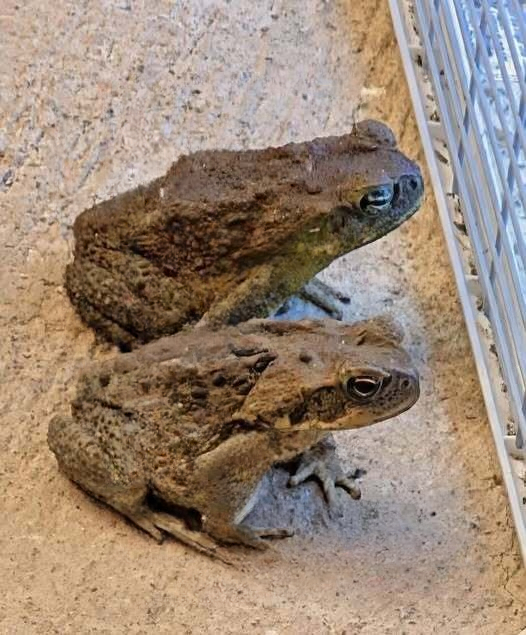
Why You Might Find a Toad Near Your Home: What It Means and How to Respond Safely
Finding a toad on your doorstep, near a garden path, or in a quiet corner of your home can be an unexpected experience. These small amphibians often appear when people least expect them, especially during damp weather, after rainfall, or when outdoor conditions encourage them to search for food and shelter. For some people, the sight may be surprising, while others may immediately wonder how the animal entered the property and whether it should be moved.
Toads have lived alongside human communities for centuries. They can be found in gardens, parks, fields, wooded areas, and other places where moisture and suitable hiding spots are available. Although their appearance may seem unusual to anyone who rarely encounters wildlife, a toad near a house is generally not a sign of anything mysterious or unusual. In many cases, it is simply an animal passing through an environment that provides what it needs to survive.
Still, an unexpected visit from a toad raises several interesting questions. Why do these animals approach homes? What role do they play in the garden? Are they safe to touch? And what should you do if one enters your house?
Understanding their behavior can help you respond calmly and make a sensible decision. Rather than immediately chasing the animal away, it is worth taking a moment to observe where it is, determine whether it is in danger, and consider the safest way to help it return outdoors.
Why Do Toads Appear Near Houses?
Toads do not usually approach homes because they are attracted to people. Their movements are more often connected to food, moisture, shelter, and seasonal changes. A property that offers these basic resources can become part of the animal’s natural surroundings.
Gardens are especially attractive to amphibians because they often contain plants, shaded areas, loose soil, stones, fallen leaves, and insects. Even a relatively small outdoor space may provide enough opportunities for a toad to find food and rest during the day.
1. Moisture and Suitable Weather
Toads depend on moisture to maintain healthy skin. Unlike animals with thick, waterproof coverings, amphibians can lose water through their skin, making dry conditions challenging for them. As a result, many species become more active during damp weather or at times when the ground retains moisture.
After rainfall, a garden may contain small pools of water, moist soil, and an increased number of insects. These conditions can encourage toads to leave their usual hiding places and search for food.
A toad spotted near the front door after a rainy evening may simply be moving between sheltered areas. It might have followed a damp path, crossed a driveway, or stopped beneath a porch where the environment feels comfortable.
The animal’s presence does not necessarily indicate a problem with the house. It may reflect ordinary weather-related behavior.
2. A Convenient Source of Food
Toads generally feed on small invertebrates. Depending on the species and its size, their diet may include insects, beetles, flies, worms, and other small creatures.
Outdoor lights can attract flying insects, while gardens with healthy soil may support a variety of small invertebrates. These conditions can make areas around buildings useful places for a toad to search for a meal.
A toad sitting near a porch light, beneath an outdoor table, or beside a garden wall may be waiting for an opportunity to catch passing insects.
This behavior can be beneficial in a garden because toads are part of the natural system that helps regulate populations of certain small animals. They are not a complete solution for insect problems, but they contribute to biodiversity and the balance of local ecosystems.
3. Shelter From Heat, Wind, and Disturbance
Toads spend much of their time in sheltered locations. Depending on the species and climate, they may hide beneath stones, logs, leaves, vegetation, garden structures, or other protected spaces.
The area around a home can offer similar shelter. A shaded porch, the space beneath a step, a gap beside a wall, or a pile of garden materials may provide a convenient place to rest.
During hot weather, a cool and shaded location can be especially useful. During colder periods, suitable sheltered areas may help some species avoid unfavorable conditions.
A toad discovered beside a doorstep may have selected the location because it provides protection rather than because it wants to enter the building.
4. Seasonal Movement
Toads may travel between feeding areas, resting places, and breeding habitats during different parts of the year. In many regions, their activity changes with temperature, rainfall, and the timing of the breeding season.
Some species move toward ponds or other suitable water sources when conditions are right for reproduction. Others may travel through gardens and across roads as they move between habitats.
When a house stands near a field, woodland, pond, stream, or other natural area, it may lie directly along a route used by local wildlife.
This is one reason people sometimes notice several toads in the same area during a particular season and see none for months afterward.
Does a Toad Entering Your Home Have a Special Meaning?
Across different cultures, animals have long been associated with symbolic meanings. Frogs and toads appear in traditional stories, folklore, art, and spiritual interpretations. Depending on the tradition, they may represent good fortune, transformation, renewal, fertility, or a connection with nature.
These interpretations can be interesting parts of cultural history, but they should be understood as beliefs rather than scientific explanations.
There is no reliable scientific evidence that finding a toad inside or near a home predicts financial success, a family change, good luck, or an unfortunate event. Its presence is better explained by environmental conditions and the animal’s ordinary behavior.
Nevertheless, people can find personal meaning in unexpected encounters with wildlife. Someone who enjoys nature may see a toad as a reminder to pay attention to the environment. Another person may appreciate the encounter as an opportunity to teach children about amphibians and their role in the ecosystem.
The important distinction is between personal symbolism and factual claims. It is perfectly reasonable to enjoy a traditional interpretation without assuming that the animal’s appearance predicts the future.
Toads and Traditional Beliefs About Good Fortune
In some cultural traditions, frogs and toads are associated with prosperity or abundance. These associations vary widely, and the meaning assigned to an amphibian depends on the particular culture, story, or belief system.
Such symbolism may have developed partly because frogs and toads are connected with water, seasonal cycles, and environments that support plant and animal life. In agricultural communities, water and successful growing seasons have often been closely associated with well-being.
However, these historical connections do not establish that an individual toad brings financial rewards or changes a person’s circumstances.
If you encounter a toad near your home, you can appreciate the cultural stories surrounding it while recognizing that the animal is following its natural instincts.
Transformation and Adaptation
Frogs and toads are also used as symbols of change because amphibians undergo a remarkable life cycle. Many begin life as eggs in water, develop into tadpoles, and later transform into land-dwelling juveniles and adults.
This biological process has made amphibians useful symbols in literature and storytelling. Writers may use them to represent development, adaptation, or a new stage of life.
A real toad at your doorstep, however, is not evidence that a major personal transformation is about to occur. The symbolic interpretation belongs to human culture, while the animal’s behavior remains grounded in biology.
A Reminder to Notice the Natural World
One practical meaning you can take from finding a toad is that wildlife may be closer to everyday life than it first appears.
Urban and suburban environments are not completely separate from nature. Gardens, drainage areas, parks, roadside vegetation, and small green spaces can provide habitats for amphibians and many other animals.
An unexpected encounter may encourage you to look more closely at the environment around your property. You might notice that a garden supports insects, that a shaded corner retains moisture, or that local wildlife regularly passes through the area.
This kind of observation can help people understand how homes and gardens fit into the larger ecosystem.
Why You Should Not Automatically Chase a Toad Away
When an unfamiliar animal appears inside or near a house, the natural reaction may be to remove it immediately. However, a toad that is not causing a direct problem often does not need to be disturbed.
Toads are generally shy animals. They are more likely to hide or move away from people than to approach them. Giving the animal space may be the easiest way to allow it to continue on its way.
There are several practical reasons to avoid unnecessary disturbance.
Toads Are Part of a Healthy Ecosystem
Toads contribute to local biodiversity and serve as both predators and prey within food webs. By eating small invertebrates, they participate in the natural relationships that shape garden ecosystems.
They are also food for certain birds, mammals, reptiles, and other predators, depending on the region and species.
Removing every toad from a garden can mean reducing one part of the local wildlife community. A single animal will not determine whether a garden is healthy, but protecting suitable habitat for native amphibians can support broader biodiversity.
This does not mean that every toad must remain inside a house. If one enters a kitchen, hallway, or other unsuitable indoor space, it is reasonable to help it outside. The goal is to avoid unnecessary harm while addressing the practical situation.
They May Help Reduce Certain Garden Pests
Toads consume a variety of small invertebrates, some of which people consider garden pests. Their diet can include beetles, flies, and other small creatures.
The exact contribution depends on the species, the local environment, and the availability of food. Toads should not be treated as a replacement for responsible pest management, but they are part of the natural processes that occur in gardens.
A garden that offers a range of native plants, leaf litter, sheltered areas, and suitable moisture may support amphibians alongside many other helpful organisms.
If you find a toad in a garden bed, there may be no reason to move it. Allowing it to remain undisturbed can be a simple way to coexist with local wildlife.
Toads Can Be Vulnerable to Handling
Although toads may appear sturdy, their skin is sensitive to chemicals and other environmental contaminants. Substances such as household cleaners, pesticides, lotions, and residues on hands can potentially affect amphibians.
Handling can also stress the animal or cause injury if it is dropped or squeezed.
For these reasons, the safest first option is usually to avoid touching the toad unless movement is necessary. If it is outdoors and not in immediate danger, leave it alone.
If it is inside the home or trapped in a hazardous location, use a gentle, low-contact approach to guide it outdoors. Wash your hands afterward, and keep children and pets from handling it.
Are Toads Dangerous to People?
Most encounters between people and native toads are harmless when the animals are left undisturbed. Toads do not normally seek confrontation with humans, and they generally try to escape when approached.
However, it is important to understand that some toads produce defensive skin secretions. These substances can irritate the mouth, eyes, or other sensitive tissues, and certain species can cause more serious problems if their secretions are swallowed by a person or pet.
The level of risk varies by species and region. A toad should not be assumed to be safe to handle simply because it is small or familiar-looking.
Avoid Touching Your Face After Contact
If you must handle a toad, avoid touching your eyes, nose, or mouth. Wash your hands thoroughly with soap and water afterward.
Children should be taught to observe amphibians without picking them up. This approach protects both the child and the animal and helps prevent accidental contact with secretions.
If a toad’s skin secretions enter the eyes or mouth, follow appropriate first-aid guidance and contact a medical professional or local poison information service for advice, particularly if irritation or other symptoms occur.
Never deliberately allow a person or pet to lick, bite, or mouth a toad.
What About Household Pets?
Dogs and cats may investigate an unfamiliar animal out of curiosity. Some pets will sniff a toad and lose interest, while others may attempt to bite or mouth it.
Because certain toads can produce irritating or toxic secretions, it is best to prevent pets from playing with them.
If a pet bites or mouths a toad and begins drooling excessively, pawing at its mouth, vomiting, appearing disoriented, or showing other unusual symptoms, contact a veterinarian or emergency veterinary service promptly.