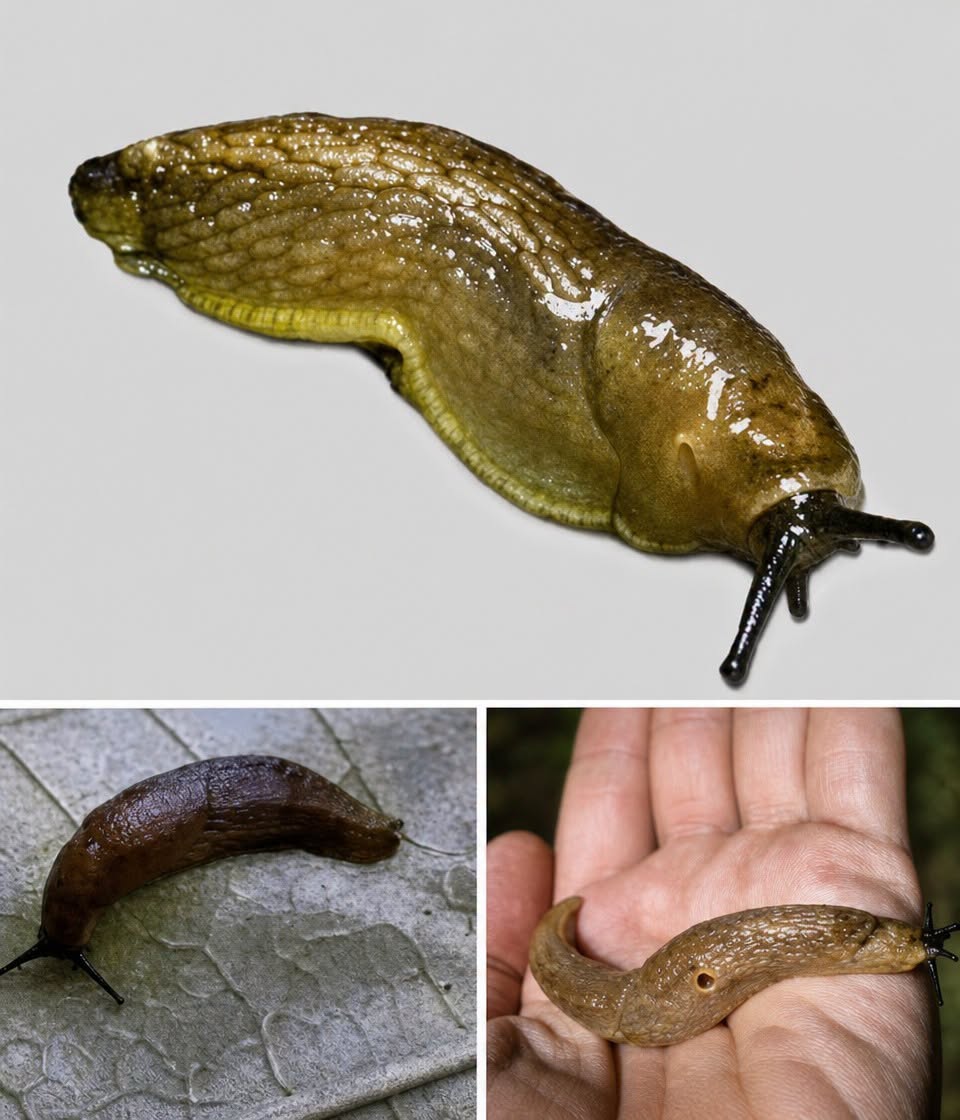
Why You Might Find a Slug Near Your Home and What It Can Tell You
Finding a slug near your home can be an unexpected experience. You may notice one moving slowly across a patio, hiding beneath a flowerpot, crossing a walkway after rain, or occasionally appearing in a damp corner near an entrance. Because slugs are often associated with gardens and decaying vegetation, seeing one close to the house can naturally make you wonder why it is there.
The good news is that a slug near your home usually has a simple explanation.
Slugs are small, soft-bodied animals that depend heavily on moisture. They are most active when conditions are cool and damp, particularly after rainfall, during humid evenings, or in areas where water remains in the soil. If your yard provides shelter, food, and moisture, slugs may naturally become part of the surrounding environment.
Occasionally, one may even find its way indoors.
This does not necessarily mean that your house has a serious problem. A single slug inside may simply have entered through a small opening while searching for moisture or food. However, finding several slugs indoors repeatedly can be a useful reason to inspect the building for moisture, gaps, leaks, or other conditions that make the environment attractive to them.
Understanding why slugs appear can make the situation much less mysterious.
Why Do Slugs Come Near Houses?
Slugs need moisture to survive because their soft bodies can lose water relatively quickly.
This is one reason they are often easier to notice after rain or during damp weather. During dry periods, many slugs remain hidden beneath leaves, stones, mulch, wood, plant containers, or other protected locations.
A home can unintentionally provide many of the same conditions.
A garden located close to the house may contain moist soil, plants, fallen leaves, mulch, and shaded areas. Water from sprinklers, gutters, downspouts, or outdoor taps can also create damp areas around the foundation or walkways.
If these conditions exist close to the house, it is not surprising to see slugs nearby.
Their presence does not automatically indicate that something is wrong.
In many cases, they are simply responding to their environment.
Rain Can Bring Slugs Into View
One of the easiest ways to notice more slugs is after a period of rain.
Rain increases moisture in the soil and on surrounding surfaces. It can also make it easier for slugs to move across areas that would otherwise be too dry.
This is why you might see several slugs on a walkway one evening even though you did not notice any during the previous week.
They may have been present all along but remained hidden during less favorable conditions.
Rain also encourages many plants to become more active, creating additional food opportunities for slugs.
For homeowners, this means that an increase in visible slugs after wet weather is generally not surprising.
The number you see can also depend on the surrounding landscape, the season, vegetation, and local climate.
Why Slugs Prefer Shaded Areas
Direct sunlight can create difficult conditions for slugs.
Because they are vulnerable to drying out, slugs generally benefit from environments that retain moisture.
This makes shaded locations particularly attractive.
You may find them beneath:
- Flowerpots
- Garden furniture
- Wooden boards
- Stones
- Fallen leaves
- Mulch
- Dense plants
- Garden decorations
- Compost materials
- Pieces of bark
These locations provide protection from direct sunlight while retaining moisture.
If you repeatedly see slugs in one part of your yard, examining the area around them may reveal exactly what is attracting them.
Sometimes the explanation is as simple as a large planter sitting in a shaded, frequently watered area.
What Slugs Eat
Another reason slugs may appear around a property is the availability of food.
Many slugs feed on plant material, including leaves, stems, seedlings, and other organic matter. Some species also consume decaying vegetation and other organic material.
A garden with many plants can therefore provide a convenient food source.
Vegetable gardens may be particularly attractive because young plants and tender leaves can be easy for slugs to feed on.
However, not every slug species behaves in exactly the same way.
Their diets can vary depending on the species and the environment.
This is one reason it is better to avoid assuming that every slug is automatically a garden pest.
Some species may have little effect on your plants, while others can cause noticeable damage if their populations become large.
Does One Slug Mean You Have an Infestation?
Not necessarily.
Seeing one slug near your home does not provide enough information to conclude that there is an infestation.
A slug may simply have wandered into the area.
Even finding a few slugs after heavy rain may not indicate a long-term problem.
The situation becomes more worth investigating when you regularly see large numbers of slugs or begin noticing repeated plant damage.
If slugs are appearing indoors on a frequent basis, that is also a reason to investigate further.
Instead of immediately reaching for pesticides, it can be more useful to first understand why they are appearing.
Why Might a Slug Enter the House?
Finding a slug indoors can seem much stranger than finding one in the garden.
However, there are several ordinary explanations.
A slug can enter through very small gaps around doors, windows, pipes, vents, or other openings. If the surrounding environment is damp, the animal may simply follow a suitable path into the building.
An open door can also provide an easy route inside.
Basements, garages, utility rooms, bathrooms, and other areas with higher humidity may be more attractive than dry rooms.
If you discover a slug indoors, consider where you found it.
Its location may provide useful information.
For example, finding one near an exterior door could suggest that it entered from outside. Finding several in a basement or utility area could justify checking the space for excess moisture.
The important point is that one indoor slug does not automatically mean there is a hidden structural problem.
Moisture Around the House Is Worth Checking
Although slugs themselves are not usually a serious household concern, repeated sightings can sometimes draw attention to moisture conditions.
Look around the outside of your home for areas where water collects.
Check:
- Downspouts
- Gutters
- Drainage channels
- Outdoor faucets
- Garden hoses
- Irrigation systems
- Low areas near the foundation
- Frequently watered garden beds
If water consistently remains close to the house, improving drainage may reduce the number of damp hiding places available to slugs.
Inside the house, look for obvious signs of moisture such as condensation, damp surfaces, water stains, or plumbing leaks.
The goal is not to assume that slugs have caused the moisture.
Usually, the relationship works in the opposite direction.
Moisture can create an environment that makes the area more attractive to slugs.
Slug Trails Can Provide Clues
Slugs produce a layer of mucus that helps them move across surfaces.
This can leave behind a shiny trail.
If you find a trail indoors, it may help you determine where the slug came from or where it traveled.
Following the trail carefully can sometimes reveal a nearby doorway, wall opening, or other potential entry point.
However, trails can disappear relatively quickly, especially after surfaces are cleaned or dry.
If you repeatedly find trails in the same area, it may be useful to inspect that location more closely.
You may discover a small gap under a door, a crack around a pipe, or another opening that connects the interior with the outside.
What Should You Do If You Find One Indoors?
If you find a slug inside your home, there is usually no need to panic.
If you are comfortable doing so, you can carefully remove it using a simple container and a piece of paper or another suitable method.
Afterward, clean the area where it traveled.
The more useful step is determining how it got inside if indoor sightings continue.
Check nearby doors and windows.
Look around utility penetrations.
Inspect the bottom of exterior doors.
Examine areas where pipes or cables enter the building.
Also consider whether the room has unusually high humidity.
A small amount of investigation can often answer the question without requiring extensive treatment.
Reducing Moisture Can Make an Area Less Attractive
One of the most practical ways to discourage slugs around a home is to reduce unnecessary moisture.
This does not mean eliminating moisture from your garden.
Plants need water, and healthy soil requires appropriate moisture.
Instead, the objective is to avoid creating constantly wet areas directly against the house.
For example, you might adjust irrigation so that water is directed toward plants rather than walls or foundations.
Downspouts can also be positioned so that rainwater is directed away from the building where appropriate.
Improving drainage in persistently wet areas may also help.
These changes can benefit the property in other ways as well because excessive moisture around a building can contribute to various maintenance problems.
Keep Outdoor Areas Organized
Cluttered outdoor areas can provide hiding places for slugs.
Wood piles, boards, containers, stones, leaves, and dense ground cover can create cool, damp spaces.
These materials are not inherently problematic.
They simply provide shelter.
If you want to reduce places where slugs can hide, keep outdoor storage organized and avoid unnecessary materials sitting directly on damp ground.
Garden beds can also be maintained regularly.
Removing excessive decaying vegetation can reduce available food and shelter while keeping the garden healthier overall.
However, some organic material is beneficial to soil and wildlife, so the goal should be balanced garden maintenance rather than trying to remove every natural element.
Slugs and Your Garden
Gardeners often have mixed feelings about slugs.
On one hand, some species can damage plants.
On the other hand, slugs are part of the wider ecosystem.
They can participate in decomposition and serve as food for various animals.
Birds, amphibians, insects, and other wildlife may feed on slugs.
This means that a slug in your garden is not automatically something that needs to be eliminated.
The more useful question is whether the slug population is causing meaningful damage to the plants you are trying to grow.
If your plants appear healthy and there is little evidence of feeding damage, there may be no reason to take action.
Recognizing Plant Damage
Slug damage can sometimes appear as irregular holes in leaves.
Young plants can be particularly vulnerable because even a relatively small amount of feeding may affect their growth.
You may also notice slime trails on plants or nearby surfaces.
However, not every hole in a leaf is caused by slugs.
Caterpillars, beetles, other insects, weather, and plant diseases can produce different forms of damage.
Identifying the actual cause is important before deciding on a treatment.
If you are unsure, taking a clear photograph of the damaged plant and the surrounding area can help with identification.
Local gardening organizations, agricultural extension services, or knowledgeable garden professionals may also be able to provide guidance.
Natural Ways to Manage Slugs
If slugs are causing noticeable garden damage, there are several approaches that can be considered before using chemical products.
One option is reducing the amount of shelter immediately around vulnerable plants.
Removing unnecessary debris and keeping garden areas maintained can make the environment less convenient for slugs.
Some gardeners also inspect plants during periods when slugs are active and manually remove visible individuals.
This can be practical for smaller gardens.
Another approach is protecting particularly vulnerable plants with suitable physical barriers.
The effectiveness of different methods can vary depending on the species, climate, garden layout, and severity of the problem.
Because of this, there is no single method that works equally well for every garden.
Be Careful With Garden Chemicals
It can be tempting to use a chemical product as soon as a garden pest appears.
However, pesticides and slug-control products should be used carefully.
Always read the product label and follow its instructions.
Use only products that are approved for the intended purpose in your location, and take precautions to protect children, pets, wildlife, and desirable garden organisms.
Using more product than recommended does not necessarily make treatment more effective.
It can instead increase environmental exposure and create unnecessary risks.
For a small problem, nonchemical methods may be sufficient.
Are Slugs Dangerous to People?
For most people, an ordinary slug encountered around the home is primarily an unpleasant or inconvenient sight rather than a direct danger.
However, it is still sensible to avoid handling unknown wildlife unnecessarily.
Slugs can come into contact with soil, decaying material, animal waste, and other substances in their environment.
Good hygiene is therefore appropriate.
If you touch a slug or anything that may have come into contact with one, wash your hands thoroughly with soap and water.
Children should also be taught not to pick up unfamiliar animals from the garden.
Pets should not be encouraged to eat slugs either.
If you have concerns about a particular species or a possible exposure involving a person or pet, seek advice from an appropriate local professional.
Do Slugs Carry Diseases?
Stories about slugs can sometimes become exaggerated online.
The reality is more specific.
Certain slug and snail species in some parts of the world can participate in the life cycle of parasites, including rat lungworm. The risk and prevalence vary considerably by geographic region and species.
That does not mean that every slug carries a harmful parasite.
It also does not mean that simply seeing a slug near your home represents a health emergency.
Normal hygiene and avoiding the consumption of raw slugs or snails are sensible precautions.
People who have specific concerns about local wildlife or possible exposure should consult reliable local health or veterinary authorities.
Why You May See More Slugs During Certain Seasons
Slug activity can change throughout the year.
Periods of moderate temperatures and higher moisture can provide favorable conditions.
Depending on the local climate, this may occur during spring, autumn, or other periods of increased rainfall and humidity.
During hot and dry weather, slugs may become less visible because they need to avoid losing too much moisture.
This seasonal pattern explains why a yard that appears almost slug-free during one part of the year can suddenly have noticeable activity later.
It does not necessarily mean that a new problem has developed.
The environmental conditions may simply have changed.
Does a Slug Have a Special Meaning?
The original idea that a slug visiting your home “means more than you think” can sound mysterious, but there is no scientific basis for interpreting an ordinary slug appearance as a hidden message, prediction, or supernatural sign.
There are cultural beliefs and symbolic interpretations involving many animals, including slugs and snails.
People may attach personal meaning to encounters with nature, and there is nothing wrong with enjoying those interpretations as cultural or personal symbolism.
However, they should not be confused with scientific explanations.
From a biological perspective, a slug near your house is most likely responding to ordinary environmental factors such as moisture, food, shelter, and temperature.
In other words, the slug probably has a much simpler reason for being there than an internet headline might suggest.
What a Slug Can Actually Tell You
Although a slug does not carry a hidden message, its presence can still provide useful information about your surroundings.
For example, seeing many slugs may tell you that a particular section of the garden stays damp.
It may indicate that there is abundant vegetation or organic material.
It could show that a shaded area provides suitable shelter.
If slugs are repeatedly entering the house, their presence may encourage you to look for gaps or moisture problems.
In this sense, a slug can act as a small environmental clue.
It can draw your attention to conditions that already exist around the property.
A Simple Inspection Routine
If you notice repeated slug activity, you can perform a basic inspection.
Start outside.
Look at the areas immediately surrounding the house.
Check whether soil remains wet for long periods.
Look for dense vegetation close to exterior walls.
Inspect areas beneath planters and other objects.
Check downspouts and gutters for proper water flow.
Then inspect the inside of the home, especially if slugs have been found indoors.
Look around exterior doors.
Check basement and garage areas.
Look for obvious plumbing leaks or condensation.
You do not need specialized equipment for a basic inspection.
The objective is simply to identify environmental conditions that could explain the sightings.
When Professional Help May Be Appropriate
Most slug sightings do not require professional pest control.
However, professional advice may be useful when there is persistent activity that you cannot explain or manage.
This is particularly true if there are signs of moisture damage, repeated water intrusion, significant plant loss, or another underlying property issue.
A pest professional can help identify the species and determine whether control measures are appropriate.
A contractor or building professional may be more suitable if the real concern appears to be water entering the structure.
The key is addressing the underlying cause rather than focusing exclusively on the animal.
Slugs Are Part of the Natural Environment
It is easy to view a slug as nothing more than a garden nuisance.
But like many small creatures, slugs have a role in natural ecosystems.
They participate in the breakdown of organic matter and interact with other organisms.
Their presence contributes to the food web, providing resources for predators and interacting with plants, fungi, microorganisms, and soil environments.
That does not mean homeowners have to tolerate unlimited garden damage.
It simply means that managing wildlife around a property is often more effective when the goal is balance rather than complete elimination.
Why Understanding the Environment Helps
A recurring slug problem can sometimes be solved without directly targeting the slugs.
If the area is constantly wet, improve drainage.
If a broken sprinkler is creating excessive moisture, repair it.
If dense debris provides unnecessary shelter, clean up the area.
If a door has a large gap, improve the seal.
If plants are being watered too frequently, adjust the irrigation schedule according to their needs.
These changes can make the property less attractive to slugs while also improving general maintenance.
This is usually a more sustainable approach than repeatedly treating the same symptom.
The Difference Between One Slug and a Pattern
Context matters.
A single slug after a rainy evening is very different from dozens appearing every night.
One slug indoors is different from repeated trails throughout a basement.
A few slugs in a vegetable garden are different from widespread plant damage.
Looking for patterns is therefore more useful than reacting to an isolated sighting.
Keep track of when you see them.
Notice the weather.
Observe where they appear.
Look at nearby vegetation and moisture.
Over time, these observations can reveal a straightforward explanation.
A More Practical Way to Look at an Unexpected Slug
Finding a slug near your home may initially seem strange, particularly if you rarely see them.
But once you understand their behavior, the mystery usually disappears.
Slugs are strongly influenced by moisture, temperature, shelter, and food availability.
Your yard may simply provide all four.
Rain can bring them out.
Shade can protect them.
Plants can provide food.
Small gaps can give them access to sheltered spaces.
None of these factors necessarily indicates a serious household problem.
Instead, they are normal parts of the environment.
Final Thoughts
A slug appearing near your home does not usually carry a secret message or indicate that something unusual is about to happen.
Its presence can be explained by ordinary biology.
Slugs seek suitable environmental conditions, particularly areas where moisture, food, and shelter are available. Gardens, shaded yards, damp soil, mulch, fallen leaves, and poorly drained areas can all create conditions that encourage slug activity.
If you find one outside, there may be nothing that needs to be done.
If you find slugs indoors repeatedly, however, it is worth checking for possible entry points and excessive moisture.
For gardeners, the important question is whether the slugs are actually damaging plants. If they are, practical measures such as reducing unnecessary shelter, improving garden maintenance, using physical barriers, and carefully considering appropriate control methods may help.
The most useful lesson is to focus on the enviro