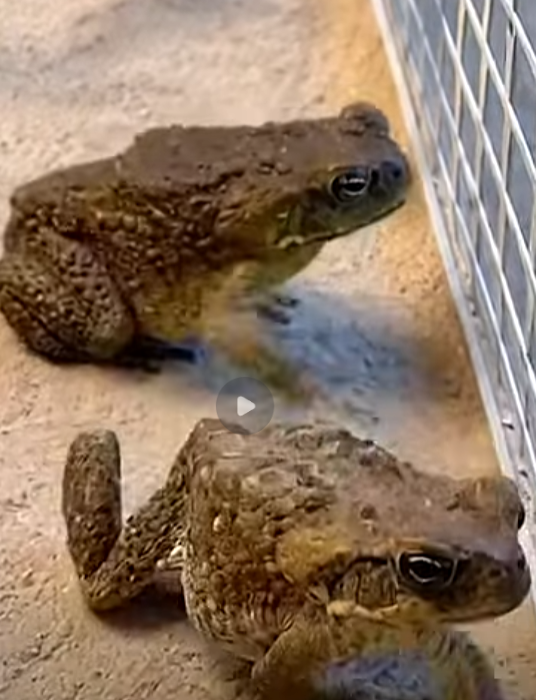
Why Toads Are Appearing Around Your Property and How to Manage Them Naturally
Finding toads on your patio, near your front door, or in a damp corner of the garage can be an unexpected experience. After rainfall, during warm evenings, or at certain times of the year, homeowners may notice more amphibians around their gardens than usual. Although their sudden appearance can be surprising, toads are generally responding to environmental conditions rather than attempting to invade a home.
These small animals are often attracted to properties that offer moisture, shade, shelter, and a steady supply of insects. Gardens with healthy vegetation, outdoor lights that attract flying insects, and damp spaces beneath planters or garden furniture can provide suitable places for them to feed and rest.
Understanding why toads visit residential areas can help homeowners manage their outdoor spaces without unnecessary worry. In many situations, a few practical adjustments can make a property less attractive to amphibians while preserving the benefits they provide to the local environment.
Why Toads Suddenly Appear in Gardens
Toads can seem to appear overnight, especially when several environmental conditions occur at the same time. A period of rain, warmer temperatures, or increased insect activity may encourage them to move through gardens in search of food, moisture, and suitable shelter.
Unlike animals that regularly depend on people for food, most wild toads are simply following the conditions they need to survive. If a garden provides those conditions, it may become a convenient stopping point.
Several factors can explain why toads are more noticeable around a home.
1. Rainfall Creates Favorable Conditions
Rain is one of the most common reasons homeowners notice increased amphibian activity. Many toads become more active when the surrounding environment is damp because moisture helps them avoid dehydration.
Their skin plays an important role in maintaining water balance, so many species prefer cool, humid places over exposed, dry surfaces. After rainfall, lawns, garden beds, pathways, and shaded patios may offer suitable conditions for moving around and searching for food.
Rain can also increase the activity of worms, insects, and other small invertebrates. This provides feeding opportunities for toads that emerge from sheltered areas.
Some species travel toward breeding sites during particular seasons, especially when suitable pools or other bodies of water become available. Depending on the species and location, these seasonal movements may bring several amphibians into the same neighborhood at once.
If toads appear mainly after rainy weather, their presence may be a temporary response to the conditions rather than evidence of a problem with the property.
2. Outdoor Lighting Attracts Insects
Outdoor lights can indirectly attract toads by drawing insects into areas where the amphibians can feed.
Porch lights, garage lights, decorative garden lamps, and security lights may attract moths, beetles, flies, and other insects, depending on the type of light and local conditions. Toads that hunt near the ground may take advantage of this concentration of prey.
This explains why a toad sometimes sits near a doorway or beneath an exterior light. It may simply be waiting for an easy meal.
Homeowners who want to reduce this activity can consider switching off unnecessary outdoor lights, using motion-activated lighting, or selecting warm-colored bulbs designed to attract fewer insects than some conventional options.
Lighting changes will not eliminate all insect activity, and their effectiveness varies with the surroundings. However, reducing unnecessary illumination can make certain areas less attractive to insects and, indirectly, to the animals that feed on them.
3. Gardens Provide Shade and Shelter
A well-maintained garden can offer a variety of places where toads can hide during the day and emerge at night.
Dense vegetation, leaf litter, low-growing plants, stones, fallen branches, and spaces beneath garden furniture may provide protection from direct sunlight and predators. These features can also help the ground retain moisture.
Toads often rest in sheltered places when temperatures are high or the air is dry. A shaded garden bed may therefore provide a more suitable resting area than an exposed lawn or paved driveway.
The presence of these hiding places does not mean that a garden is poorly maintained. Many natural garden features benefit pollinators, birds, beneficial insects, and other wildlife.
However, homeowners who prefer to discourage toads from particular areas can reduce excessive clutter near doors, remove piles of unused materials, and keep frequently used walkways clear.
The goal is not necessarily to remove every natural feature. Instead, it is to make the areas immediately surrounding entrances less convenient for amphibians while maintaining a healthy garden elsewhere.
4. Irrigation and Standing Water Increase Moisture
A property with regularly watered lawns, leaking outdoor taps, dripping air-conditioning equipment, or poorly drained areas may provide attractive conditions for amphibians.
Toads generally do not require a large pond simply to visit a garden. Damp soil and sheltered areas may be sufficient for some species to move through or rest on a property.
However, standing water can be particularly important during breeding periods for many amphibians. Depending on the species, they may use ponds, temporary pools, or other suitable water bodies for reproduction.
Homeowners can reduce unnecessary moisture by repairing leaks, adjusting irrigation schedules, and improving drainage where water repeatedly collects near the foundation or entrance.
Water features do not automatically need to be removed. A properly maintained pond can support local wildlife, and the presence of amphibians may be a natural part of that environment.
The practical question is whether the water is serving a useful purpose or accumulating because of a maintenance issue.
5. Seasonal Activity Brings More Toads Into View
Toad activity varies with the species, local climate, temperature, rainfall, and breeding season.
In some regions, amphibians become more visible during spring as they move toward breeding sites. In other locations, warm and humid summer evenings may produce the greatest activity. Certain species may also appear after seasonal rain in otherwise dry environments.
This means there is no single month when every property should expect more toads. Local conditions are important.
If the number of toads increases for a short period and then declines, seasonal movement may explain the pattern. If amphibians repeatedly gather in the same location, it may be useful to examine nearby sources of moisture, insect activity, and shelter.
Observing when and where they appear can help homeowners identify the environmental conditions responsible for the visits.
Are Toads a Sign of a Problem Inside the House?
Finding a toad in a garage, basement entrance, or utility area can understandably raise questions about how it entered.
In most cases, a single toad indoors does not automatically indicate a serious household problem. It may have entered through an open door, a gap beneath a garage door, or another accessible opening while searching for a sheltered place.
Toads do not generally seek out homes because they want to establish themselves in living rooms or bedrooms. Indoor spaces may be unsuitable for them, particularly when they are dry, warm, or lack access to food and water.
A toad found in a damp basement or garage may have entered accidentally or followed conditions that seemed favorable at the time.
If this happens repeatedly, homeowners can inspect possible entry points and examine the surrounding environment.
Look for gaps beneath exterior doors, damaged weather stripping, openings around utility pipes, and spaces where garage doors do not close securely. Repairing these gaps can reduce access for many small animals, not just amphibians.
It is also worth checking whether a leaking pipe, damp storage area, or persistent drainage issue is creating a sheltered environment that attracts insects and wildlife.
However, homeowners should not assume that the presence of a toad proves that a foundation is damaged or that water is entering the house. Those issues require separate evidence and inspection.
The Useful Role Toads Play in the Garden
Although some people prefer not to encounter amphibians around their homes, toads can provide benefits to gardens and surrounding ecosystems.
Many species feed on a range of small invertebrates, including beetles, flies, moths, and other insects. Depending on the species and local food supply, their diet may also include slugs, worms, and other small animals.
By consuming these organisms, toads participate in the natural relationships that help shape garden ecosystems.
Their presence may also indicate that the surrounding area offers suitable shelter and at least some food resources. However, finding a toad is not a definitive measure of environmental quality, because species vary in their tolerance of human-modified habitats.
Toads are also part of the food web themselves. Birds, snakes, mammals, and other predators may feed on certain amphibians, depending on the species and region.
This makes them one component of a broader ecological system rather than an isolated form of natural pest control.
Can Toads Replace Garden Pest Treatments?
Toads may help reduce some insect populations, but they should not be viewed as a complete replacement for other forms of pest management.
Their feeding habits depend on the species, availability of prey, weather, and habitat. They will not necessarily consume the particular insects that a homeowner wants to control, and they cannot guarantee that a garden will remain free of pests.
For persistent insect problems, homeowners may need to identify the pest and use appropriate management methods.
Integrated pest management is a practical approach that combines prevention, monitoring, habitat management, and targeted treatment when necessary. For example, removing standing water that allows mosquitoes to breed, repairing window screens, and sealing gaps can reduce some pest problems without relying entirely on chemicals.
When pesticides are necessary, selecting products appropriate for the identified pest and following the label carefully can reduce unnecessary exposure to people, pets, and wildlife.
Because amphibians can be sensitive to environmental contaminants, avoiding indiscriminate pesticide use is especially important around areas where toads and other wildlife are active.
Are Toads Dangerous to People or Pets?
Most toads encountered in residential gardens are not aggressive and generally try to avoid people. They do not normally pursue humans, and their presence is usually more of a surprise than a direct threat.
However, some species produce defensive secretions from glands in their skin. These substances can irritate the eyes and mouth and may be harmful if ingested. The level of risk varies considerably by species.
This is particularly important for dogs and other pets that may investigate unfamiliar animals by sniffing, licking, or biting them.
Certain toad species can cause serious poisoning in animals that mouth or swallow them. The risk depends on the species and the amount of toxin involved, so it is not safe to assume that every toad is harmless.
If a pet mouths a toad and then develops unusual symptoms, contact a veterinarian promptly and follow their instructions. If the animal appears seriously unwell, seek emergency veterinary care.
Do not attempt home treatments without professional guidance.
For people, it is sensible to avoid handling unfamiliar amphibians unnecessarily. If contact occurs, wash your hands thoroughly and avoid touching your eyes or mouth before doing so.
Children should be taught to observe wildlife without picking it up or placing it near their faces. This protects both the child and the animal.
How to Encourage Toads to Move Away Without Harming Them
If toads have become frequent visitors, homeowners can make specific areas less attractive without resorting to harmful chemicals or improvised deterrents.
The most effective approach is usually to adjust the conditions that attract them.
Reduce Excess Moisture Near Entrances
Check outdoor taps, hoses, irrigation systems, and drainage channels for leaks. Adjust sprinklers so they do not continuously soak patios or the ground immediately beside exterior doors.
If water regularly collects in low areas, consider correcting the drainage problem where practical.
Do not remove necessary drinking water from pets or compromise a garden’s health simply to discourage wildlife. Instead, focus on unnecessary moisture in locations where amphibians repeatedly gather.
Keep Entryways Clear
Remove unused containers, piles of cardboard, discarded materials, and other objects that create sheltered spaces immediately beside entrances.
Store firewood and garden supplies neatly, and keep the area around garage doors free of unnecessary clutter.
A tidy entryway is easier to inspect and may offer fewer hiding places for small animals.
At the same time, remember that natural garden habitats can be beneficial. There is no need to eliminate every patch of vegetation or leaf pile across the entire property.
Adjust Exterior Lighting
Switch off lights that are not needed overnight, or consider motion-activated options for security lighting.
Where suitable, choose outdoor bulbs designed to reduce insect attraction. The effect will depend on the bulb, its brightness, and the surrounding environment.
If insects are gathering around a particular light, relocating or shielding the fixture may also help reduce the concentr