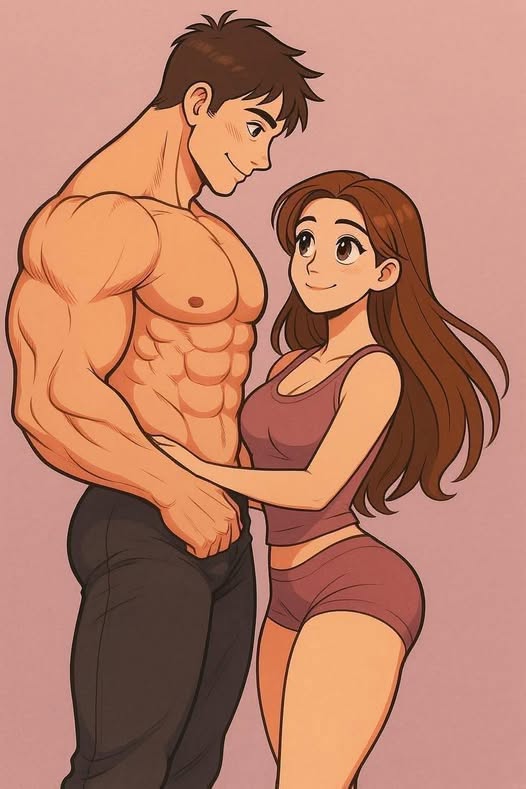
Physical attraction is a personal experience, and there is no single feature that determines whether two people will be interested in one another. Height can sometimes play a role in attraction, but preferences vary widely from person to person.
The idea that “men prefer short women” is therefore too broad to apply to everyone. Some men may find shorter partners attractive, while others may prefer someone closer to their own height or taller. In many relationships, physical appearance is only one small part of what creates attraction and long-term compatibility.
Instead of treating height as a universal rule, it can be more useful to explore why some people may be attracted to shorter partners and how factors such as personality, confidence, communication, and shared interests can influence relationships.
1. Attraction Is Highly Individual
People have different preferences when it comes to physical appearance.
Some individuals are naturally drawn to certain characteristics, while others don’t place much importance on physical traits at all.
Height can be one of those characteristics.
A man may prefer a shorter woman because he likes the visual contrast between their heights. Another person may not care about height whatsoever.
Personal preferences can also change throughout someone’s life.
What one person finds attractive may not be important to another.
For that reason, it’s better to describe height preferences as individual tendencies rather than universal rules.
2. Height Difference Can Create a Sense of Visual Contrast
Some couples enjoy having a noticeable difference in height.
A taller man and shorter woman may appreciate the visual contrast between them, but this is simply one possible preference rather than a requirement for attraction.
People can also enjoy relationships where the partners are approximately the same height or where the woman is taller.
There is no particular height combination that guarantees a successful relationship.
3. Personality Often Matters More Than Height
Physical attraction may help initiate interest, but relationships usually involve much more than appearance.
Kindness, humor, emotional maturity, confidence, reliability, and communication can become increasingly important as two people get to know each other.
Someone may initially notice a person’s appearance, but shared experiences often determine whether the relationship develops further.
A person who is supportive, thoughtful, and enjoyable to spend time with can become much more attractive as emotional connection grows.
4. Confidence Can Be More Appealing Than a Specific Physical Trait
Confidence is often associated with positive social interactions.
A person who feels comfortable with themselves may communicate more openly, participate more easily in conversations, and approach relationships with greater ease.
This doesn’t mean someone has to be extremely outgoing or confident all the time.
Quiet confidence can be just as appealing.
Height alone doesn’t create confidence.
A shorter woman who feels comfortable with who she is may naturally project qualities that others find attractive.
5. Some People Appreciate a Smaller Physical Presence
Some men may simply enjoy being physically larger than their partner.
This could influence their personal preference for shorter women.
However, this preference doesn’t necessarily mean they believe shorter women are better partners.
It may simply be one physical characteristic they happen to find attractive.
Likewise, another person might prefer a taller partner for equally personal reasons.
Preferences don’t need to be treated as universal standards.
6. Shared Interests Can Create Stronger Attraction
A relationship can develop around common interests rather than physical characteristics.
Two people might connect because they enjoy similar hobbies, music, travel, sports, books, cooking, or outdoor activities.
When people spend time together doing things they genuinely enjoy, emotional familiarity can develop.
That connection may ultimately become far more important than whether one partner is several inches taller or shorter than the other.
7. Humor Can Strengthen Romantic Connection
A good sense of humor can make interactions enjoyable and memorable.
Laughing together can help people feel comfortable around each other and create shared experiences.
Someone may initially notice height or another physical characteristic, but personality can strongly influence whether that initial attraction becomes meaningful.
This is one reason it is difficult to reduce romantic preferences to a single physical trait.
8. Emotional Compatibility Matters
Long-term relationships require more than physical attraction.
Partners often need to communicate effectively, resolve disagreements, respect boundaries, and support each other during difficult periods.
Emotional compatibility can influence whether two people feel safe and comfortable together.
A couple may have a strong height difference but still struggle if they cannot communicate.
Conversely, couples with very little height difference can have exceptionally strong relationships when they share compatible values and communication styles.
9. Social and Cultural Influences Can Shape Preferences
Ideas about attractive couples can be influenced by culture, media, family expectations, and social trends.
Movies, television, advertising, and social media sometimes portray particular relationship dynamics as more desirable than others.
People may absorb these ideas without consciously realizing it.
However, real relationships are much more diverse than media portrayals.
Couples come in many combinations of height, age, personality, appearance, background, and lifestyle.
There is no single formula for attraction.
10. Height Preferences Can Work in Either Direction
It is also important to recognize that preferences aren’t limited to men.
Women can have height preferences too.
Some women prefer taller men, while others don’t consider height especially important.
Some women prefer partners around their own height, and some are comfortable dating someone shorter.
Similarly, some men prefer shorter women, while others prefer taller women.
The most accurate conclusion is that people have different preferences.
11. Relationships Are More Than Physical Measurements
Height can be measured with a number, but relationship compatibility cannot.
You cannot measure kindness with a ruler.
You cannot calculate trust based on height.
You cannot determine communication skills from someone’s appearance.
These qualities often become important when relationships move beyond initial attraction.
A couple may initially notice physical characteristics, but lasting relationships typically depend on many additional factors.
12. Personal Comfort Is Important
Some people feel more comfortable with partners who have a particular height difference.
This may influence how they feel when walking together, taking photographs, attending social events, or simply spending time together.
Other people don’t think about height at all.
Personal comfort is therefore another reason preferences differ.
The important point is that people should be free to have preferences without treating those preferences as universal rules about what everyone else should find attractive.
13. Avoid Turning Preferences Into Stereotypes
Statements such as “all men prefer short women” oversimplify a diverse population.
Men have different personalities, experiences, cultures, values, and preferences.
A single physical characteristic cannot accurately describe what an entire group finds attractive.
Likewise, saying that shorter women are automatically more feminine, attractive, approachable, or compatible would also be an unfair generalization.
Individual people should be evaluated as individuals.
14. Attraction Can Develop Over Time
Not every relationship begins with instant physical attraction.
Sometimes attraction develops gradually as two people become familiar with each other’s personalities.
A person’s kindness, humor, intelligence, confidence, or enthusiasm can change how attractive they seem over time.
This is another reason why physical preferences don’t always predict relationship outcomes.
Someone may have a particular idea about their “type” but eventually fall for someone who doesn’t fit that description.
Real-life attraction can be much more complicated than a checklist.
15. Confidence in Your Own Appearance Matters
People sometimes worry that their height makes them less desirable.
But there is no universally ideal height.
Short, tall, and average-height people can all have fulfilling romantic relationships.
Rather than trying to meet an imaginary physical standard, it can be healthier to focus on qualities that genuinely contribute to a positive relationship.
Being comfortable with yourself can help you approach dating with less pressure and greater authenticity.
16. Compatibility Is Different for Everyone
One couple may place considerable importance on physical attraction.
Another may prioritize humor and companionship.
Someone else may care most about shared values, family goals, lifestyle, or emotional support.
There is no universal ranking of relationship qualities.
What matters most is whether two people are comfortable with each other and want similar things from the relationship.
Final Thoughts
Some men may prefer shorter women, but it would be inaccurate to suggest that all men share this preference.
Height can influence attraction for certain individuals, but personal preferences are shaped by many different factors.
Visual contrast, personal taste, cultural influences, confidence, personality, shared interests, emotional connection, and compatibility can all play a role.
More importantly, a successful relationship cannot be predicted by height alone.
A person’s character, communication style, values, sense of humor, kindness, reliability, and ability to build mutual trust can become much more important over time.
So rather than asking whether men universally prefer short women, a more useful question is:
“What qualities make two people genuinely compatible?”
The answer will be different for every couple.
Physical attraction may be part of the story, but meaningful relationships are built through connection, respect, understanding, and shared experiences.
This article discusses general relationship preferences and does not suggest that any particular height, body type, or appearance is inherently better or more attractive than another.