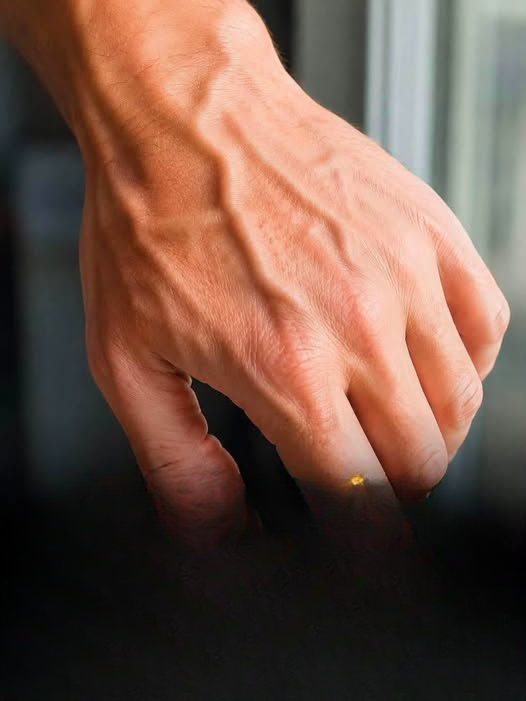
Noticing that your veins suddenly look more prominent can be surprising. Veins that were barely noticeable before may become easier to see on the hands, arms, legs, chest, or other parts of the body. In many situations, visible veins are completely normal and can be influenced by everyday factors such as exercise, temperature, hydration, body composition, or simply the way a person’s skin and blood vessels naturally change over time.
However, a sudden or unusual change deserves attention, particularly if prominent veins appear alongside other symptoms.
The appearance of veins can vary considerably from one person to another. Some people naturally have veins that are easier to see, while others may notice changes only under certain circumstances. Understanding the possible reasons can help you decide when simple observation is appropriate and when it makes sense to speak with a healthcare professional.
What Causes Veins to Become More Visible?
Veins are blood vessels that return blood toward the heart. Some veins lie relatively close to the surface of the skin, making them easier to see.
Their appearance can change for many ordinary reasons.
For example, physical activity can temporarily make veins more prominent. During exercise, blood flow increases and muscles become more active, which can make superficial veins stand out more clearly.
Temperature can also affect how visible veins appear. Warm conditions may cause blood vessels near the skin to widen, making some veins easier to notice.
Body composition is another factor. When there is less tissue between the skin and superficial veins, those vessels may naturally appear more pronounced.
Age can also play a role because skin gradually changes over time and may become thinner, making underlying veins easier to see.
Exercise Can Temporarily Make Veins Stand Out
If you notice prominent veins after working out, there may be a straightforward explanation.
During physical activity, the cardiovascular system works harder to deliver oxygen and nutrients to active muscles. Blood flow changes, and superficial veins may become more noticeable.
This is particularly common after activities that involve resistance training or intense physical effort.
In many cases, the veins become less prominent after the body returns to its normal resting state.
However, if a new vein-related change persists or is accompanied by pain, swelling, discoloration, or other symptoms, it should be evaluated rather than automatically attributed to exercise.
Temperature Can Change Their Appearance
Heat can affect blood vessels close to the surface of the skin.
On a hot day, after a warm shower, or during exercise, veins may appear more noticeable.
Cold temperatures can have the opposite effect because blood vessels near the skin may narrow.
This means that the same person’s veins can look substantially different at different times of the day or under different environmental conditions.
A temporary change related to temperature is generally very different from a persistent change accompanied by other symptoms.
Hydration and Everyday Conditions
Hydration status can influence how the body looks and feels, although visible veins alone cannot reliably tell you whether you are dehydrated.
After sweating heavily or exercising for an extended period, some people may notice more pronounced veins.
Rather than relying on the appearance of veins as a measure of hydration, pay attention to broader signs and maintain reasonable fluid intake according to your individual needs and circumstances.
People with certain medical conditions may have specific fluid restrictions, so personalized medical advice is important when appropriate.
Changes in Body Composition
Body composition can influence how clearly superficial veins can be seen.
When the layer of tissue beneath the skin becomes thinner, veins may become more visible.
This can occur with changes in body weight, increased physical activity, or other changes in body composition.
It is therefore possible for someone to notice more visible veins without there being a problem with the veins themselves.
The location also matters.
Veins in the hands and forearms, for example, can become quite noticeable in some healthy people.
Age Can Affect Vein Visibility
As people get older, skin tends to become thinner and less elastic.
Changes in the tissues surrounding blood vessels can make superficial veins more apparent.
This can be especially noticeable on the hands, arms, and legs.
Seeing more veins over time does not automatically indicate a serious health issue.
Nevertheless, a sudden change that seems significantly different from your usual appearance is worth discussing with a healthcare professional if you are concerned.
When Visible Veins May Need More Attention
Visible veins are often harmless, but certain accompanying symptoms deserve closer attention.
Consider seeking medical advice if a prominent vein is associated with:
- Persistent pain or tenderness
- Noticeable swelling
- Warmth or redness
- Significant changes in skin color
- A firm or unusual area along the vein
- Symptoms that are worsening rather than improving
- A sudden change affecting only one limb
These signs don’t necessarily mean that a serious condition is present. They simply indicate that professional evaluation may be appropriate.
Prominent Veins in the Legs
Leg veins can become more noticeable for several reasons.
Standing for long periods, age-related changes, genetics, and other factors can contribute to visible or enlarged veins.
Some people develop spider veins or varicose veins, which have distinctive appearances and may or may not cause symptoms.
Varicose veins can sometimes cause sensations such as aching, heaviness, or discomfort, particularly after prolonged standing.
If leg veins become increasingly prominent or uncomfortable, discussing them with a healthcare professional can help determine whether evaluation is needed.
Sudden Changes Shouldn’t Be Diagnosed From Appearance Alone
One important point is that the appearance of a vein cannot reliably identify the cause by itself.
Many different conditions can produce similar-looking changes.
Likewise, something that looks unusual may turn out to be completely benign.
Online photographs and descriptions can be useful for general education, but they aren’t a substitute for an examination.
A healthcare professional can consider your symptoms, medical history, medications, physical findings, and other relevant information before determining whether additional testing is necessary.
Pay Attention to the Rest of Your Symptoms
Instead of focusing only on whether a vein looks larger, consider the bigger picture.
Ask yourself:
When did I first notice the change?
Has it remained visible continuously or does it come and go?
Does the area hurt or feel unusually warm?
Is there swelling?
Has the skin changed color?
Did the change appear after exercise or another activity?
Is it happening on one side or both sides of the body?
These observations can provide useful information if you decide to consult a healthcare professional.
Avoid Unnecessary Panic
A dramatic headline about “suddenly bulging veins” can easily make a normal change sound frightening.
The reality is that visible veins are common.
They can become more noticeable because of exercise, heat, body composition, age, genetics, or other everyday factors.
Therefore, seeing a prominent vein does not automatically mean something is wrong.
The better approach is to remain observant without becoming alarmed.
If the change is persistent, unusual, or accompanied by concerning symptoms, getting professional advice can provide reassurance and appropriate evaluation.
When to Seek Urgent Medical Attention
Certain combinations of symptoms require prompt medical assessment.
For example, sudden swelling and significant pain in an arm or leg, particularly when accompanied by other concerning symptoms, should not be dismissed.
Similarly, symptoms such as sudden difficulty breathing, chest discomfort, fainting, or severe unexplained symptoms require urgent medical attention.
If you believe you may be experiencing a medical emergency, seek appropriate emergency care rather than relying on online information.
Keeping Track of Changes
If you are unsure whether your veins are becoming more prominent, you may find it useful to observe them over several days.
Notice whether the appearance changes after exercise, during warm weather, or after resting.
You can also note whether any discomfort, swelling, redness, or other symptoms develop.
Avoid repeatedly pressing or manipulating an area simply to check it.
If the change persists and concerns you, sharing your observations with a healthcare professional can make the conversation more useful.
A Healthy Approach to Vein Visibility
There is no single “normal” appearance for veins.
Some people’s veins are naturally prominent, while others have less visible superficial veins.
Genetics, age, skin characteristics, activity levels, body composition, and environmental conditions can all influence appearance.
Therefore, the most useful comparison is often with your own usual appearance rather than someone else’s.
A change from your normal pattern is more informative than comparing your veins with photographs online.
Final Thoughts
Suddenly noticing more visible or prominent veins can be concerning, but there are many possible explanations, and many of them are harmless.
Exercise, heat, changes in body composition, age, and natural differences in anatomy can all make veins easier to see.
At the same time, persistent changes accompanied by pain, swelling, redness, warmth, discoloration, or other unusual symptoms should be evaluated by a qualified healthcare professional.
The key is awareness without unnecessary alarm.
Pay attention to changes in your body, consider when and how they occur, and don’t rely on online images to diagnose yourself. When something seems unusual or continues to concern you, professional medical advice is the most reliable way to understand what is happening.
Your veins can naturally become more noticeable for many reasons, but a new or persistent change accompanied by other symptoms deserves appropriate attention.
This article is provided for general educational purposes and is not intended to diagnose, treat, or prevent any medical condition. If you are concerned about a new or changing symptom, consult a qualified healthcare professional for personalized advice.