Trees are much more than part of a landscape. They provide shade during warm summers, improve air quality, support local wildlife, reduce soil erosion, and often become part of a family’s memories for decades. For many homeowners, mature trees represent years of growth and care that cannot be replaced overnight.
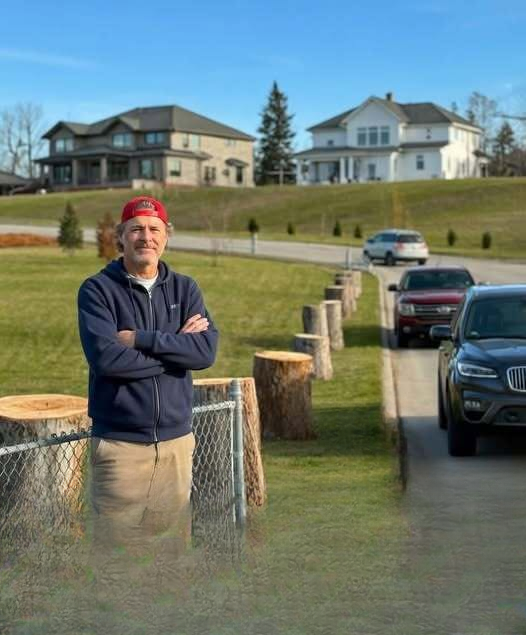
One homeowner experienced an unexpected challenge after discovering that several long-established trees near a shared property boundary had been removed during a neighboring landscaping project. While the situation was initially upsetting, it ultimately became an opportunity to learn more about property records, environmental responsibility, and the importance of resolving disputes through respectful communication and proper legal processes.
Rather than focusing on conflict, the experience highlighted valuable lessons for homeowners everywhere.
A Familiar Landscape
For many years, the property looked much the same.
Tall trees lined one side of the yard.
Their branches provided welcome shade during the summer.
Birds nested among the leaves each spring.
The changing colors of autumn became part of the family’s seasonal traditions.
These trees had become more than landscaping—they were part of the character of the property.
Like many mature trees, they had quietly contributed to the neighborhood’s beauty for decades.
Returning Home to an Unexpected Change
One afternoon, after returning home from work, the homeowner immediately noticed that something looked different.
The familiar canopy was gone.
Sunlight reached areas that had always been shaded.
The yard felt noticeably more open.
A closer inspection revealed that several mature trees had been removed.
Although the change was surprising, the homeowner chose not to jump to conclusions.
Instead, the first step was understanding exactly what had happened.
Gathering Information Before Responding
Unexpected property changes can naturally create concern.
However, making informed decisions begins with gathering accurate information.
The homeowner reviewed available records, including:
- Property surveys
- Boundary maps
- Previous landscaping plans
- Municipal records
- Purchase documents
Understanding the exact location of property lines became an important first step before discussing the situation with anyone involved.
Speaking With the Neighbor
Rather than allowing assumptions to shape the conversation, the homeowner contacted the neighboring property owner.
The discussion remained respectful and focused on understanding the circumstances surrounding the tree removal.
During the conversation, both parties shared their understanding of the project.
It became clear that there had been confusion regarding property boundaries and responsibility for the affected area.
Although the conversation could not immediately resolve every concern, maintaining respectful communication helped prevent additional misunderstandings.
Why Property Surveys Matter
Property boundaries are not always obvious.
Fences may change over time.
Landscaping evolves.
Previous owners may have made informal agreements that were never officially documented.
Professional property surveys provide valuable information by identifying:
- Boundary lines
- Easements
- Utility corridors
- Existing structures
- Permanent markers
Reviewing these records before beginning outdoor projects helps reduce the risk of disputes.
Understanding Tree Ownership
Ownership of trees located near property lines can vary depending on local laws and the exact position of the trunk.
Because regulations differ between jurisdictions, homeowners are often encouraged to consult:
- Property surveys
- Local government offices
- Licensed surveyors
- Qualified legal professionals when necessary
Understanding applicable regulations helps ensure decisions are based on accurate information rather than assumptions.
The Environmental Value of Mature Trees
Large, healthy trees provide many long-term environmental benefits.
These include:
- Improving air quality
- Providing shade
- Supporting birds and pollinators
- Reducing stormwater runoff
- Helping prevent soil erosion
- Lowering summer temperatures
- Enhancing neighborhood appearance
Because mature trees require decades to develop, preserving them whenever practical often benefits both individual homeowners and the wider community.
Planning Responsible Landscaping Projects
Outdoor improvements frequently involve tree maintenance, pruning, or removal.
Before beginning work, homeowners should consider:
- Confirming property boundaries
- Checking local permit requirements
- Consulting certified arborists
- Evaluating tree health
- Discussing projects with nearby neighbors
Advance planning reduces misunderstandings while encouraging responsible land management.
The Role of Certified Arborists
Tree care involves much more than cutting branches.
Certified arborists evaluate:
- Tree health
- Structural stability
- Disease
- Pest damage
- Long-term growth
- Safety concerns
Professional evaluations help homeowners make informed decisions about preservation, maintenance, or removal.
Replanting for the Future
Although mature trees cannot be replaced immediately, planting new trees contributes to the long-term health of the landscape.
Suitable species should be selected based on:
- Local climate
- Soil conditions
- Available space
- Maintenance requirements
- Native habitat support
Even young trees represent an investment in future generations.
Thoughtful planting helps ensure neighborhoods remain attractive and environmentally healthy.
Why Communication Matters
Many property disagreements arise from misunderstandings rather than intentional actions.
Simple communication can prevent unnecessary conflict.
Helpful practices include:
- Discussing projects before construction begins
- Sharing survey information
- Explaining planned improvements
- Listening to concerns
- Working toward practical solutions
Respectful conversations often produce better outcomes than assumptions or accusations.
Knowing Local Regulations
Municipal governments frequently establish rules regarding tree removal, especially for mature trees or protected species.
Depending on the location, homeowners may need to consider:
- Permit requirements
- Environmental regulations
- Protected tree ordinances
- Historic preservation rules
- Homeowners association guidelines
Understanding local requirements helps projects proceed responsibly and legally.
Preserving Good Neighbor Relationships
Living in a neighborhood involves balancing individual property rights with mutual respect.
Positive relationships are strengthened through:
- Honest communication
- Courtesy
- Cooperation
- Transparency
- Willingness to resolve concerns calmly
Even when disagreements occur, maintaining respectful dialogue often leads to more productive outcomes.
Lessons Learned
This experience reinforced several important reminders.
Verify Before Beginning Projects
Accurate surveys help prevent misunderstandings.
Communicate Early
Discussing plans with neighbors encourages cooperation.
Respect the Environment
Mature trees provide valuable ecological benefits.
Seek Professional Advice
Qualified experts offer guidance that supports informed decisions.
Focus on Long-Term Solutions
Constructive conversations help preserve both landscapes and neighborhood relationships.
Looking Ahead
Following the experience, the homeowner focused on restoring the landscape through thoughtful planning.
New native trees were planted.
Additional flowering shrubs attracted pollinators.
Garden improvements enhanced biodiversity.
While it would take years for the new trees to mature, the project represented optimism and investment in the future.
The landscape continued evolving, creating new opportunities for enjoyment while honoring the property’s natural character.
Conclusion
Discovering that mature trees had been removed was an emotional experience, but it also highlighted the importance of property records, environmental stewardship, and respectful communication. Rather than allowing the situation to become a lasting source of conflict, the homeowner chose to focus on understanding the facts, working through appropriate channels, and planning for the future.
Healthy neighborhoods thrive when residents communicate openly, respect property boundaries, and recognize the long-term value of preserving natural landscapes. Whether planting new trees, maintaining existing ones, or planning outdoor improvements, thoughtful decision-making benefits homeowners, communities, and future generations alike.
In the end, the greatest lesson was not simply about trees—it was about the lasting importance of patience, cooperation, responsible land management, and caring for the places we call home.