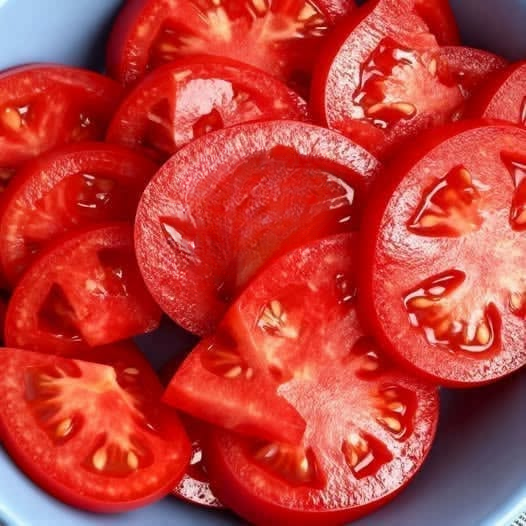
Tomatoes are among the most popular fruits—though many people think of them as vegetables—in kitchens around the world. Whether sliced into salads, blended into sauces, added to sandwiches, or cooked into soups and stews, tomatoes have become a staple ingredient in countless recipes.
Because they are so common, it’s easy to overlook just how nutritious they can be. Every year, researchers continue studying the natural compounds found in tomatoes and how they may contribute to a balanced diet. At the same time, health experts remind us that no single food can guarantee perfect health on its own.
Instead, tomatoes are best viewed as one part of an overall healthy eating pattern that includes a variety of fruits, vegetables, whole grains, lean proteins, and healthy fats.
Here’s a closer look at what makes tomatoes unique, the nutrients they provide, and a few situations where some people may choose to enjoy them in moderation.
A Nutrient-Rich Food
Tomatoes are naturally low in calories while providing several important vitamins and minerals.
A medium-sized tomato contains:
- Vitamin C
- Potassium
- Vitamin K
- Folate
- Dietary fiber
- Water
- Various plant compounds
Because tomatoes contain a high percentage of water, they can also contribute to daily hydration as part of a varied diet.
Rich in Lycopene
One of the most studied compounds found in tomatoes is lycopene.
Lycopene is a naturally occurring antioxidant responsible for the bright red color of many tomato varieties.
Antioxidants help protect cells from oxidative stress, which is a normal process that occurs in the body over time.
Researchers continue exploring how lycopene fits into overall dietary patterns associated with long-term health.
Interestingly, cooked tomato products such as tomato sauce and tomato paste often provide lycopene in a form that the body can absorb efficiently.
Vitamin C Supports Normal Body Functions
Tomatoes are a good source of vitamin C.
Vitamin C contributes to several normal body functions, including:
- Supporting the immune system
- Helping the body produce collagen
- Assisting with wound healing
- Supporting healthy skin
- Acting as an antioxidant
Since vitamin C is water-soluble, regularly eating a variety of fruits and vegetables can help maintain adequate intake.
Potassium and Everyday Health
Tomatoes also provide potassium.
Potassium is a mineral involved in many normal body functions, including maintaining fluid balance and supporting normal muscle and nerve function.
Many people do not consume enough potassium in their daily diets, making potassium-rich foods an important part of balanced nutrition.
Fiber for Digestive Health
Fresh tomatoes contain dietary fiber.
Fiber plays several important roles, including:
Supporting healthy digestion.
Helping maintain regular bowel movements.
Contributing to feelings of fullness after meals.
Supporting overall dietary balance.
Although tomatoes are not among the highest-fiber foods available, every source of fiber contributes to overall intake.
Naturally Low in Calories
For individuals looking to include more nutrient-dense foods in their meals, tomatoes can be an excellent option.
A typical serving provides relatively few calories while adding flavor, texture, and nutritional value.
This makes tomatoes easy to include in many meal plans without significantly increasing calorie intake.
Tomatoes in Different Forms
One advantage of tomatoes is their versatility.
People enjoy them in many ways:
Fresh slices.
Cherry tomatoes.
Roasted tomatoes.
Soups.
Salsas.
Tomato sauce.
Tomato paste.
Juice.
Sun-dried tomatoes.
Each preparation offers slightly different nutritional characteristics depending on ingredients and cooking methods.
Cooking Can Change Nutrient Availability
Cooking tomatoes does not necessarily reduce their nutritional value.
In fact, some beneficial plant compounds become easier for the body to absorb after cooking.
However, fresh tomatoes retain higher levels of certain vitamins that are sensitive to heat.
Including both fresh and cooked tomatoes in a balanced diet allows people to enjoy a variety of nutrients.
Supporting Heart-Healthy Eating Patterns
Many dietary patterns associated with heart health include plenty of fruits and vegetables, including tomatoes.
While no single food prevents disease, tomatoes can contribute to an eating pattern rich in vitamins, minerals, antioxidants, and fiber.
Health professionals generally recommend focusing on overall dietary quality rather than emphasizing one specific ingredient.
Pairing Tomatoes With Healthy Foods
Tomatoes combine well with many nutritious ingredients.
Examples include:
Leafy green salads.
Whole-grain sandwiches.
Grilled vegetables.
Beans.
Lean proteins.
Olive oil.
Fresh herbs.
Nuts and seeds.
These combinations create satisfying meals while increasing nutritional variety.
Can Everyone Eat Tomatoes?
Although tomatoes are healthy for many people, individual responses may vary.
Some individuals choose to limit tomatoes because they experience:
Acid reflux symptoms.
Heartburn.
Sensitivity to acidic foods.
Certain dietary restrictions recommended by healthcare professionals.
Anyone with specific medical conditions or dietary concerns should consult a qualified healthcare provider for personalized advice.
Choosing Fresh Tomatoes
When shopping, look for tomatoes that are:
Firm but slightly soft.
Brightly colored.
Free from deep bruises.
Smooth-skinned.
Pleasantly fragrant.
Storing tomatoes at room temperature often helps preserve their flavor until they are fully ripe.
Growing Tomatoes at Home
Tomatoes are also among the most popular home garden plants.
Many gardeners appreciate:
Their relatively simple care.
Numerous available varieties.
Fresh flavor.
Productive harvests.
Growing tomatoes can encourage families to include more fresh produce in everyday meals.
A Variety of Choices
Not all tomatoes are identical.
Popular varieties include:
Cherry tomatoes.
Grape tomatoes.
Roma tomatoes.
Beefsteak tomatoes.
Heirloom tomatoes.
Yellow tomatoes.
Each variety offers slightly different textures, flavors, and culinary uses.
Balance Is Key
Nutrition experts consistently emphasize one important principle.
No single food determines overall health.
Instead, long-term wellness is supported by balanced eating patterns, regular physical activity, sufficient sleep, stress management, and routine medical care.
Tomatoes fit well within many healthy eating plans, but they work best alongside a wide variety of other nutritious foods.
Practical Ways to Enjoy Tomatoes
Simple ideas include:
- Adding sliced tomatoes to sandwiches
- Mixing cherry tomatoes into salads
- Preparing homemade salsa
- Roasting tomatoes with herbs
- Including tomato sauce in pasta dishes
- Blending tomatoes into vegetable soup
- Using diced tomatoes in grain bowls
- Pairing tomatoes with fresh mozzarella and basil
These meals provide flavor while increasing vegetable intake.
Final Thoughts
Tomatoes have earned their place as one of the world’s favorite foods for good reason.
They are versatile, flavorful, and naturally rich in nutrients such as vitamin C, potassium, fiber, and the antioxidant lycopene. Whether enjoyed fresh from the garden, roasted in the oven, or incorporated into soups and sauces, tomatoes can be part of a balanced and enjoyable diet.
At the same time, it’s important to approach health headlines with care. Claims suggesting that a single food can dramatically change your health are often oversimplified. Good nutrition is built on overall dietary patterns rather than one ingredient alone.
For most people, tomatoes are a nutritious addition to everyday meals. Combined with a variety of colorful fruits and vegetables, whole grains, lean proteins, and healthy fats, they can contribute to a well-rounded eating plan that supports overall wellness.
As always, individuals with food sensitivities, digestive concerns, or specific medical conditions should seek personalized advice from a qualified healthcare professional before making significant dietary changes.
The best approach isn’t to search for one “superfood.” It’s to build consistent, balanced eating habits over time—and tomatoes can certainly have a delicious place in that journey.