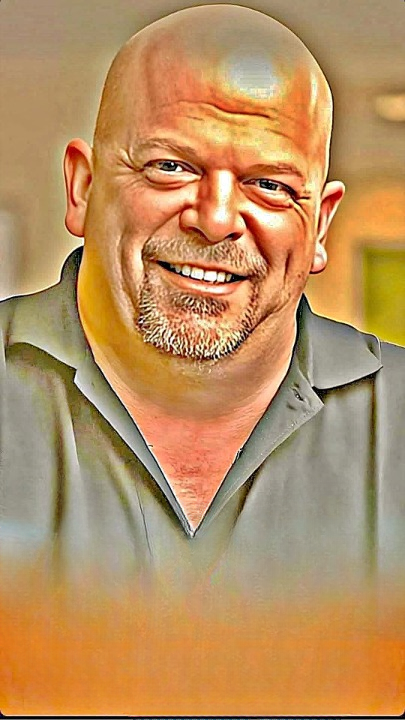
The death of Adam Harrison, one of the sons of “Pawn Stars” personality Rick Harrison, brought profound grief to his family and prompted an outpouring of condolences from people familiar with the Harrison name.
Adam died in Las Vegas on January 19, 2024. He was 39 years old. A family representative confirmed the news the following day and asked the public to respect the family’s privacy while they mourned. Early reports described the death as a suspected overdose, but the complete cause and manner had not yet been officially established.
Several weeks later, the Clark County Office of the Coroner/Medical Examiner confirmed that Adam died from fentanyl and methamphetamine toxicity. His manner of death was classified as accidental. These findings replaced early speculation with a formal medical determination. The Los Angeles Times reported the confirmation from the coroner’s office.
Although Adam belonged to a family closely associated with reality television, descriptions presenting him as a star or central figure on “Pawn Stars” are misleading. He was not a regular cast member and generally lived outside the public spotlight. The tragedy received extensive attention because of his father’s fame, but Adam himself maintained a more private life.
Adam Harrison Was Not a “Pawn Stars” Cast Member
“Pawn Stars” premiered on the History Channel in 2009 and follows the activities of the World Famous Gold & Silver Pawn Shop in Las Vegas. The series became known for its unusual items, negotiations, historical information, and interactions among members of the Harrison family.
Rick Harrison, his son Corey Harrison, and Rick’s late father, Richard Harrison, became familiar television personalities through the program. Adam, however, did not have the same public role.
According to The Associated Press, Adam was one of Rick Harrison’s three sons and was not featured on the show. Other reporting indicated that he had worked at the family’s pawn shop before the television series began, but he chose not to become a regular part of the production.
That distinction is important when discussing his death. Adam should not be reduced to a dramatic description such as “the golden boy of a television empire.” He was a son, brother, relative, and private individual whose family experienced a devastating loss.
The Initial Announcement
When news of Adam’s death became public, the Harrison family released a brief statement expressing its deep sadness and requesting privacy.
Rick later shared a photograph of himself with Adam on social media and wrote that his son would always remain in his heart. Corey also posted a childhood photograph in memory of his younger brother.
At that stage, reports described the death as a suspected overdose. A representative subsequently said fentanyl was involved, but the official findings had not yet been publicly confirmed.
That difference matters. Initial statements may provide helpful information, but a medical examiner or coroner determines the official cause and manner of death after reviewing the available evidence. Depending on the case, that process may include an examination, toxicology testing, medical history, investigative reports, and other relevant records.
The later finding identified the combined toxic effects of fentanyl and methamphetamine as the cause. The death was ruled accidental rather than intentional.
No responsible report should add unsupported details about Adam’s final hours, the source of the substances, or what he knew about their contents. The public information establishes the medical cause and classification, but it does not justify speculation beyond those findings.
Understanding the Official Cause of Death
Fentanyl is a powerful synthetic opioid. Pharmaceutical fentanyl has legitimate medical applications, including treating severe pain and providing anesthesia in carefully controlled settings.
Illegally manufactured fentanyl presents a very different public-health danger. It may be mixed into other substances or pressed into counterfeit pills without the person using them knowing it is present.
The Centers for Disease Control and Prevention explains that most fentanyl-related harm and overdose deaths are connected to illegally manufactured fentanyl. The agency also warns that fentanyl can be mixed with substances such as methamphetamine, cocaine, or heroin.
When fentanyl is present in an unregulated drug supply, its concentration can be unpredictable. A person cannot reliably determine a substance’s contents by looking at its color, shape, packaging, or texture.
Methamphetamine is a powerful stimulant, while fentanyl is an opioid that can dangerously slow breathing. The presence of more than one substance can create additional and unpredictable risks. Using a stimulant does not protect a person from the breathing suppression caused by an opioid.
In Adam Harrison’s case, the coroner identified both fentanyl and methamphetamine toxicity. That is the established medical finding. Public reports did not provide enough verified information to determine whether Adam knew fentanyl was present, so articles should not claim that he consumed a counterfeit pill or unknowingly encountered fentanyl unless authoritative evidence establishes that fact.
A Family’s Grief Beyond Public Attention
The Harrison family was widely recognized before Adam’s death, but public familiarity does not make private grief easier.
Losing a child can lead parents to revisit years of decisions and wonder whether a different action might have changed the outcome. In a later interview, Rick spoke about the painful questions that continued to occupy his mind and said that Adam had struggled with addiction for years.
Rick described repeated attempts to help, including treatment efforts, but said Adam continued to experience setbacks. His comments reflected the difficult reality faced by many families: substance-use disorders can be persistent health conditions, and love or determination alone may not be enough to produce recovery.
Family members can provide encouragement, transportation, financial assistance, treatment options, and emotional support. However, they cannot fully control another person’s illness or guarantee the outcome of treatment.
Blaming relatives after an overdose is rarely fair or constructive. It can deepen grief while ignoring the medical, psychological, social, and environmental factors involved in addiction.
The same principle applies to the individual who died. Language that portrays people experiencing addiction as weak, immoral, or disposable contributes to stigma. That stigma can discourage people from asking for help and make families more reluctant to discuss a loved one’s condition.
Adam’s death should be reported accurately, but it should also be discussed with dignity.
Why Fentanyl Awareness Matters
The danger of illegally manufactured fentanyl extends far beyond any individual case.
Fentanyl may be found in powders or counterfeit tablets made to resemble legitimate prescription medication. A pill purchased from an unauthorized source can look convincing while containing an entirely different substance or an unpredictable amount of fentanyl.
The CDC advises people to take only medications prescribed to them and obtained through a licensed pharmacy. It also identifies fentanyl test strips as a harm-reduction tool capable of detecting fentanyl in different substances, although no testing method can eliminate every risk.
Naloxone is a medication that can reverse the effects of an opioid overdose, including one involving fentanyl. It is available in easy-to-use nasal-spray forms in many places.
Signs of a possible opioid overdose can include:
- Inability to wake or respond
- Slow, irregular, or absent breathing
- Choking, snoring, or gurgling sounds
- Very small pupils
- Pale, bluish, or discolored lips or skin
- A limp or unusually unresponsive body
Anyone who suspects an overdose should immediately call local emergency services, administer naloxone if it is available, follow the dispatcher’s instructions, and remain with the person until help arrives. Because fentanyl can be extremely potent, more than one dose of naloxone may sometimes be necessary.
Naloxone will not harm someone who is not experiencing an opioid overdose, which is why health authorities recommend using it when an opioid overdose is suspected.
Education should not be interpreted as approval of illegal drug use. Its purpose is to prevent avoidable deaths, help people recognize emergencies, and connect individuals with appropriate treatment.
Avoiding Sensational Coverage
Deaths connected to public figures often attract headlines designed to provoke shock. In this case, phrases suggesting a hidden war, mysterious final moments, or a secret television life can misrepresent the available facts.
Adam was connected to a famous family, but he was not a reality television icon. His death was not publicly described as a mysterious event after the coroner released the findings. The official determination was an accidental death caused by fentanyl and methamphetamine toxicity.
Responsible reporting should distinguish between distinguish between confirmed facts and assumptions. It should avoid graphic descriptions, exaggerated claims, and language that turns a family’s loss into entertainment.
It is also important not to present the release of a cause of death as though it resolves every question. A toxicology finding explains the substances responsible for a death, but it does not explain every event, emotion, or circumstance that came before it.
Those details belong primarily to Adam’s family and the professionals directly involved in the case.
Remembering the Person Rather Than Only the Cause
Public discussion of an overdose can easily focus entirely on toxicology. While the medical findings matter, they are not the complete measure of a person’s life.
Adam was 39 years old. He was Rick Harrison’s son and Corey Harrison’s younger brother. He had worked at the family business before “Pawn Stars” became a television success, but he generally remained outside the show and the celebrity culture surrounding it.
His family’s tributes emphasized love and grief rather than fame. That should remain central to any respectful account.
The official findings confirmed that Adam Harrison died from fentanyl and methamphetamine toxicity and that his death was accidental. Those facts can contribute to an important public conversation about addiction, fentanyl contamination, overdose prevention, naloxone, and access to evidence-based treatment.
They should not be used to create unsupported rumors or sensational narratives.
Behind the connection to a popular television series was a private individual whose death left a family mourning. The most responsible way to report his story is to present the facts accurately, recognize the broader public-health concern, and remember that every overdose statistic represents a human life and people left behind.