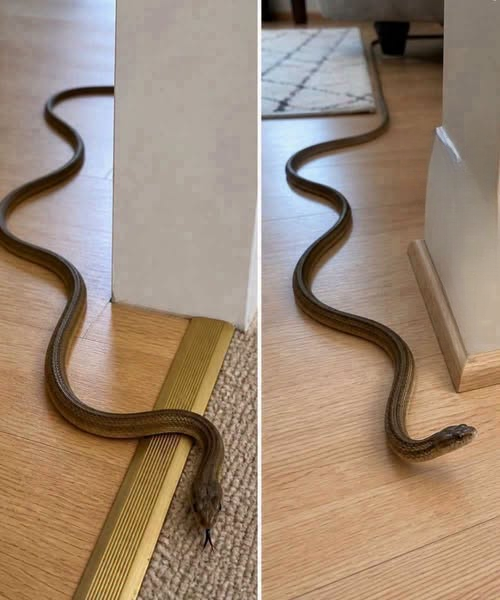
Snakes Can Inspire Curiosity and Concern
Few animals capture human attention quite like snakes. Whether they appear in a dream or unexpectedly in your home or yard, they often leave a lasting impression.
Throughout history, snakes have appeared in art, literature, folklore, and religious traditions around the world. Because of this rich cultural history, many people wonder whether encountering a snake has a deeper meaning.
While dreams are highly personal and real-life encounters usually have natural explanations, understanding both perspectives can help us respond thoughtfully rather than react with fear.
Why People Dream About Snakes
Dreams are influenced by many factors, including emotions, memories, daily experiences, and personal concerns.
Because snakes have long represented different ideas across cultures, they frequently appear in dreams.
Depending on the individual, a snake dream may symbolize:
- Personal growth.
- Change or transition.
- Hidden worries.
- Emotional healing.
- New opportunities.
- Facing uncertainty.
There is no single scientific interpretation that applies to every dream. Instead, psychologists generally encourage people to consider how the dream relates to their own experiences and emotions.
Personal Meaning Matters Most
Two people can have nearly identical dreams while interpreting them very differently.
For one person, a snake may represent confidence and personal transformation.
For another, it may simply reflect a recent nature documentary, outdoor adventure, or conversation about wildlife.
Because dreams draw from personal experiences, understanding the surrounding context is often more meaningful than relying on universal interpretations.
Snakes in History and Culture
Across civilizations, snakes have represented many different ideas.
In some traditions, they symbolize:
- Renewal and transformation.
- Wisdom.
- Healing.
- Protection.
- Fertility.
- Balance in nature.
Other cultures associate snakes with caution or the unknown.
These interpretations vary widely depending on history, geography, and cultural beliefs.
Rather than proving future events, these symbols reflect the ways different societies have understood the natural world.
Finding a Snake Inside Your Home
Encountering a real snake indoors can certainly be surprising.
Fortunately, there is usually a straightforward explanation.
Snakes may enter buildings while searching for:
- Shelter.
- Warmth during cooler weather.
- Water.
- Small animals that serve as food.
- Safe hiding places.
Most snakes prefer avoiding people whenever possible.
If they enter a home, it is typically accidental rather than intentional.
What Should You Do?
If you discover a snake indoors, experts generally recommend remaining calm.
Avoid attempting to handle or corner the animal.
Instead:
- Keep children and pets away.
- Observe the snake from a safe distance.
- Close interior doors if possible.
- Contact local animal control or wildlife professionals if assistance is needed.
- Allow trained personnel to remove the animal safely.
If you live in an area where venomous snakes are present, professional assistance is especially important.
Preventing Snakes from Entering
Simple home maintenance can reduce the chances of wildlife entering your property.
Helpful steps include:
- Seal gaps around doors and foundations.
- Repair damaged window screens.
- Keep grass trimmed.
- Remove unnecessary outdoor clutter.
- Store firewood away from the house.
- Limit rodent activity, which can attract snakes.
These measures also help discourage many other wild animals.
Appreciating Their Role in Nature
Although many people fear snakes, they play an important role in healthy ecosystems.
They help control populations of rodents and other small animals, contributing to natural balance.
Most species are not aggressive and will avoid human contact whenever possible.
Learning about local wildlife can reduce unnecessary fear while encouraging respectful coexistence.
Separating Myth from Reality
Stories, folklore, and social media often suggest that seeing or dreaming about a snake predicts future events.
However, there is no scientific evidence showing that snakes in dreams or everyday life serve as supernatural warnings or signs of destiny.
Dreams are influenced by the brain’s natural processing of memories and emotions, while real snake encounters are generally explained by environmental conditions and animal behavior.
Understanding this distinction helps replace fear with knowledge.
Final Thoughts
Whether a snake appears in a dream or unexpectedly crosses your path outdoors, it can be an opportunity to pause, learn, and reflect.
Dreams may encourage self-examination, while real encounters remind us of the importance of respecting wildlife and responding safely.
Rather than viewing every snake as a symbol of danger or mystery, approaching the experience with curiosity, caution, and reliable information can lead to a better understanding of both ourselves and the natural world.
Sometimes, the greatest lesson isn’t hidden in superstition—it’s found in learning how nature truly works.