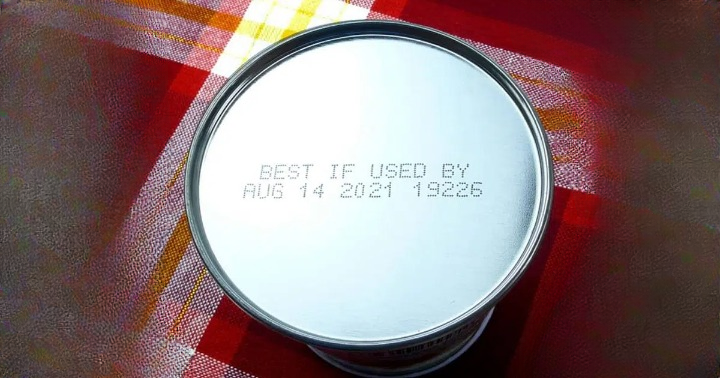
What Americans Should Know About Food Expiration Dates
Food expiration dates appear on an enormous variety of products sold in the United States.
You can find date labels on milk cartons, yogurt containers, bread packages, canned foods, frozen meals, sauces, snacks, beverages, and many other products.
For many shoppers, these dates seem simple.
Look at the package.
Find the date.
If the date has passed, throw the food away.
But the reality is more complicated.
Not every date printed on food packaging means exactly the same thing, and not every date represents a strict deadline for safety. In many cases, the wording on a package is intended to communicate information about freshness or quality rather than indicate that the food suddenly becomes unsafe when the calendar reaches a particular day.
Understanding the difference can help consumers make more informed decisions, reduce unnecessary food waste, and recognize situations in which food really should be discarded.
The key is to look at the type of date, the wording on the package, how the food has been stored, and the condition of the product rather than relying on the printed date alone.
Why Expiration Dates Can Be Confusing
One reason food dates create confusion is that several different phrases can appear on packaging.
You might see:
- “Best if Used By”
- “Best By”
- “Sell By”
- “Use By”
- “Freeze By”
- “Expires On”
These phrases can sound similar, but they may serve different purposes.
A “Best By” date, for example, is commonly associated with the manufacturer’s estimate of when a product will have its best quality.
A “Sell By” date can provide guidance to stores about inventory management.
A “Use By” date can have different meanings depending on the product and labeling system involved.
This is why consumers should not assume that every printed date is a universal safety deadline.
Instead, the label should be interpreted in context.
Quality and Safety Are Not the Same Thing
This is perhaps the most important distinction to understand.
Food quality refers to characteristics such as:
- Flavor
- Texture
- Aroma
- Color
- Freshness
- Crispness
- Overall eating experience
Food safety is different.
Safety concerns whether consuming the product could expose someone to harmful microorganisms, toxins, or other hazards.
A product can sometimes lose quality while remaining suitable for consumption when properly stored.
For example, a packaged food might become less crisp or develop a noticeable change in texture over time.
That does not automatically mean the food has become unsafe.
On the other hand, food can sometimes become unsafe even when it looks perfectly normal.
That is why appearance and date labels should not be treated as the only factors in determining whether food should be eaten.
“Best If Used By” Usually Focuses on Quality
The phrase “Best If Used By” is generally intended to communicate when a product is expected to have its best quality.
That can include flavor, texture, freshness, or appearance.
After the date passes, the manufacturer may no longer expect the product to have its optimal characteristics.
But the passage of that date does not necessarily mean the product instantly becomes unsafe.
Imagine a packaged food that is expected to taste its best before a certain date.
After that point, its flavor might gradually decline.
The texture could change.
The product may not taste as fresh.
But those quality changes are not necessarily the same thing as a food-safety problem.
Proper storage remains extremely important.
“Sell By” Dates Are Often Related to Retail
Another date consumers frequently encounter is “Sell By.”
This type of date is often intended to help retailers manage inventory.
It can indicate the period during which a store should display a product for sale while allowing reasonable time for the consumer to use it.
A consumer seeing a “Sell By” date should therefore avoid automatically treating it as an instruction that the food must be thrown away that same day.
Instead, storage conditions and the type of food matter.
Perishable foods require more careful handling than shelf-stable products.
Refrigeration temperatures also matter.
And foods that have already been opened may have different storage considerations than unopened packages.
“Use By” Deserves Careful Attention
The wording “Use By” can be particularly confusing because consumers may assume it always has one universal meaning.
In the United States, date labeling practices vary by product and manufacturer, and there is not a single simple rule that makes every date on every packaged food equivalent to a safety expiration date.
Consumers should therefore consider the specific product and the manufacturer’s instructions.
For certain foods, especially highly perishable products, it is sensible to be more conservative.
When a product has specific storage instructions or a manufacturer provides guidance about how long it should be kept after opening, those instructions deserve attention.
Some Foods Require More Caution
Not all foods should be treated the same way.
Shelf-stable foods such as many unopened canned goods can have very different storage characteristics from refrigerated dairy products or prepared meals.
Fresh meat, poultry, seafood, dairy products, cooked foods, and other highly perishable items require greater attention to temperature and handling.
The same date can therefore have a very different practical meaning depending on the food.
For example, someone deciding what to do with an unopened shelf-stable pantry item should not necessarily apply the same reasoning to a refrigerated ready-to-eat meal.
Understanding the category of food is an important part of making a reasonable decision.
Temperature Matters More Than Many People Realize
One of the most important factors in food safety is temperature control.
Refrigeration slows the growth of many microorganisms, but it does not stop all biological activity indefinitely.
That is why perishable foods should be kept properly refrigerated.
A food that has remained consistently cold may be in a different situation from the same food that spent several hours sitting at room temperature.
This is one reason a printed date cannot tell the entire story.
The date does not know what happened to the food after it left the store.
It cannot tell whether the refrigerator was working correctly.
It cannot tell whether the package was left in a warm car.
It cannot tell whether the food was repeatedly taken out and returned to the refrigerator.
Storage history matters.
The Refrigerator Is Part of the Safety System
Many people think of the refrigerator as simply a place to keep food cold.
In reality, proper refrigeration is an important part of preserving food quality and reducing food-safety risks.
A refrigerator should be kept at an appropriate temperature, and foods that require refrigeration should be returned to the refrigerator promptly after use.
It is also useful to avoid overcrowding the refrigerator to the point that cold air cannot circulate properly.
Containers should be covered appropriately, and spills should be cleaned.
Raw foods should be stored in ways that reduce the possibility of contaminating ready-to-eat foods.
These habits matter regardless of whether the date on the package has passed.
Don’t Rely on Smell Alone
People often say that they can determine whether food is safe simply by smelling it.
That approach has limitations.
Some spoiled foods have obvious changes in odor, appearance, or texture.
But not every harmful microorganism produces a noticeable smell.
Therefore, a food that smells normal is not automatically guaranteed to be safe.
The same applies to appearance.
Food can sometimes look perfectly ordinary while still having been stored improperly.
For that reason, food-safety decisions should not rely exclusively on a quick smell test.
Signs That a Product Should Be Discarded
Although dates alone don’t tell the entire story, there are situations where the condition of the food provides a strong reason not to consume it.
Consumers should be cautious about products that show obvious signs of spoilage or damage, such as:
- Unusual mold growth
- Unexpected swelling or bulging of packaging
- Leaking containers
- Broken seals
- Unusual odors
- Significant changes in texture
- Evidence of improper storage
- Packages that appear damaged or compromised
With certain foods, especially canned products, unusual swelling, leaking, severe dents, or other package abnormalities deserve particular caution.
When a food’s condition raises serious doubts, throwing it away is generally preferable to taking an unnecessary chance.
Mold Is a Different Matter
Mold deserves special attention because people sometimes assume they can simply remove the visible portion and eat the rest.
That may not be appropriate for many foods.
Whether trimming is reasonable can depend on the type of food, how firm it is, and how deeply mold may have penetrated.
Soft foods can allow mold to spread beyond the visible area.
For many soft or moist foods, discarding the product is the safer approach when substantial mold is present.
Again, not every food should be handled identically.
The important lesson is not to assume that visible mold is merely a cosmetic issue.
Damaged Packaging Can Change the Situation
The printed date is only one part of the information available to consumers.
Packaging condition matters too.
A package that has been punctured, torn, leaking, or otherwise compromised may no longer provide the protection the manufacturer intended.
This can be especially important with foods that depend on sealed packaging for their shelf stability.
If a package looks significantly damaged, consumers should evaluate whether it is appropriate to use at all rather than focusing exclusively on the date.
What About Canned Foods?
Canned foods are often a source of confusion because people sometimes treat the printed date as a strict expiration deadline.
Many commercially canned foods are designed for relatively long storage when unopened and stored properly.
Over time, however, quality can decline.
Flavor, texture, and nutritional characteristics may change.
The condition of the can itself is also important.
Consumers should avoid using cans that are leaking, severely damaged, or unusually swollen.
A normal-looking can past a quality-related date is a different situation from a can that shows physical signs of damage.
Frozen Foods Can Also Cause Confusion
Freezing can significantly extend the useful storage life of many foods.
However, freezing does not mean quality remains unchanged forever.
Frozen foods can experience freezer burn, texture changes, dehydration, and flavor deterioration.
Freezer burn is primarily a quality issue rather than proof that a food is automatically unsafe.
However, as with other foods, storage history matters.
A product that has remained continuously frozen is different from one that thawed and was later refrozen under questionable conditions.
When in doubt about how long a perishable food remained outside safe temperature conditions, caution is appropriate.
What Happens When Food Is Frozen Before Its Date?
Consumers sometimes wonder whether food can be frozen before the date printed on the package.
Freezing can be a useful way to preserve many foods when done properly.
For example, if you realize you will not use a perishable item soon enough, freezing it appropriately can help extend its storage life.
However, freezing does not reverse spoilage that has already occurred.
It is better understood as a method of preserving food before quality or safety becomes a problem.
Packaging also matters.
Foods intended for longer freezer storage should be packaged appropriately to reduce exposure to air and moisture.
Leftovers Need Their Own Rules
Date labels on the original package do not necessarily determine how long cooked leftovers should remain in the refrigerator.
Once a food has been prepared, its storage situation changes.
Leftovers should generally be refrigerated promptly and stored appropriately.
Consumers should keep track of when foods were cooked rather than simply looking at the date printed on an original ingredient package.
For example, a container of cooked food in the refrigerator is no longer simply the same thing as the unopened packaged ingredient from which it was prepared.
This distinction is easy to overlook.
Opened and Unopened Foods Are Different
A date printed on a package may assume that the product remains unopened and is stored according to the manufacturer’s instructions.
Once you open the package, exposure to air, moisture, utensils, hands, and the surrounding environment can change the product’s storage situation.
That is why many products include instructions such as “refrigerate after opening” or provide a recommended period for using the product once opened.
Consumers should follow those instructions.
A product that has been open for an extended period should not necessarily be judged only by its original unopened-package date.
Don’t Forget About Cross-Contamination
Food safety isn’t only about dates.
How food is handled also matters.
Raw meat, poultry, and seafood should be kept separate from foods that are ready to eat.
Cutting boards, utensils, countertops, and hands should be cleaned appropriately after handling raw foods.
A clean refrigerator can also reduce the chance of accidental contamination.
For example, raw meat should be stored in a way that helps prevent juices from contacting other foods.
These basic habits are useful regardless of whether a package is within its printed date.
Reducing Food Waste Without Taking Unnecessary Risks
One reason it is valuable to understand food date labels is that misunderstanding them can contribute to unnecessary food waste.
People sometimes throw away perfectly usable products simply because a quality-related date has passed.
That can lead to wasted money and wasted resources.
But reducing food waste should never mean ignoring genuine food-safety concerns.
The goal is balance.
Consumers can learn what different labels mean while still being cautious with foods that are highly perishable, improperly stored, visibly spoiled, or otherwise questionable.
This approach is more useful than following either extreme.
You don’t have to throw away every food item immediately after the printed date.
But you also shouldn’t assume that every food is safe indefinitely simply because it looks normal.
Shopping Habits Can Help
Food safety begins before you arrive home.
When shopping, pay attention to the condition of packages.
Avoid products with obvious damage.
For refrigerated and frozen foods, consider selecting them toward the end of your shopping trip so they spend less time outside temperature-controlled environments.
Bring perishable foods home promptly.
If you’re purchasing a large quantity, consider whether you will realistically use it before its quality declines.
Buying less can sometimes save more money than buying a large package that eventually gets discarded.
Organizing the Refrigerator Makes a Difference
A well-organized refrigerator makes it easier to keep track of food.
Place newer items behind older ones when appropriate so older products are used first.
Keep an eye on leftovers.
Labeling containers with the date they were prepared can be useful.
Clean spills promptly.
Periodically check for products that have been forgotten in the back.
This system is simple, but it can prevent the familiar situation where someone discovers an old container months later and has no idea how long it has been there.
A Simple Question to Ask Before Throwing Food Away
When you see a date that has passed, don’t immediately ask only:
“Is this expired?”
Instead, ask several questions.
What type of date is printed on the package?
What kind of food is it?
Was it stored properly?
Is the package intact?
Has it been opened?
Does the product show obvious signs of spoilage?
Are there manufacturer instructions that apply?
These questions provide much more useful information than the date alone.
A Simple Question to Ask Before Eating Food
The reverse is also important.
Don’t ask only:
“The date hasn’t passed, so is it safe?”
Instead, consider the entire situation.
Was the food refrigerated properly?
Was it left out for an extended period?
Is the package damaged?
Has it been opened?
Was it handled safely?
Does it show signs of spoilage?
A date on a package cannot compensate for improper storage or handling.
Why Date Labels Exist in the First Place
Manufacturers have several reasons for putting dates on food.
They help consumers understand expected freshness.
They help retailers manage inventory.
They help companies maintain consistent quality standards.
They can also provide useful information about how long a product is expected to retain particular characteristics under specified storage conditions.
The date therefore has value.
The mistake is assuming that every date has exactly the same meaning.
Instead of ignoring dates completely, consumers should learn how to interpret them.
The Role of Manufacturers
Food companies spend considerable effort determining how their products behave over time.
Factors such as ingredients, packaging, processing methods, storage temperature, and expected shelf life can all influence product quality.
Manufacturers may therefore use date labels as part of a broader system for communicating expected product characteristics.
That is another reason it is useful to read the complete package.
Sometimes the most important information isn’t the date itself.
It may be the instruction immediately next to it:
“Keep refrigerated.”
“Refrigerate after opening.”
“Store in a cool, dry place.”
“Use within a certain period after opening.”
Those instructions provide context.
When in Doubt, Be Conservative
There is no need to become anxious about every food date.
At the same time, if you genuinely cannot determine whether a food was stored safely, taking a conservative approach can make sense.
This is particularly relevant for highly perishable foods and foods that may have been left at unsafe temperatures.
The cost of replacing one item is generally much smaller than the potential consequences of knowingly consuming food that may have been mishandled.
Food safety is an area where uncertainty deserves respect.
Children, Older Adults, and Other Vulnerable People
Some people are more vulnerable to serious complications from foodborne illness than healthy adults.
This includes certain young children, older adults, pregnant people, and individuals with weakened immune systems.
For these groups, following food-safety recommendations carefully can be especially important.
The basic principles remain the same:
- Store food properly.
- Keep refrigerators at appropriate temperatures.
- Separate raw and ready-to-eat foods.
- Cook foods appropriately.
- Refrigerate leftovers promptly.
- Pay attention to product condition.
- Follow relevant package instructions.
When someone in a household has a higher risk from foodborne illness, being more conservative about questionable foods can be reasonable.
The Bigger Picture: Better Information Leads to Better Decisions
Food dates are not inherently confusing because consumers aren’t paying attention.
The labeling system itself can involve several different terms and purposes.
Once you understand the distinction between quality and safety, the subject becomes easier to approach.
A date can tell you something useful.
Storage can tell you something useful.
Packaging condition can tell you something useful.
Food appearance can provide additional information, although it isn’t a guarantee of safety.
And manufacturer instructions can provide important product-specific guidance.
The best decision usually comes from considering these pieces together.
A Practical Food-Date Checklist
The next time you find an older food item in your refrigerator or pantry, consider this quick checklist:
1. Read the exact wording of the date.
Don’t assume every date means “unsafe after this day.”
2. Identify the type of food.
Perishable foods require more caution than shelf-stable products.
3. Check how it was stored.
Proper temperature and handling are essential.
4. Determine whether it has been opened.
Opened products may have different storage considerations.
5. Inspect the packaging.
Look for leaks, severe damage, swelling, broken seals, or other unusual conditions.
6. Consider obvious spoilage.
Mold, unusual odors, or significant changes in texture can be reasons to discard a product.
7. Read the manufacturer’s instructions.
Storage directions can be just as important as the printed date.
8. If you cannot establish that the food was stored safely, consider discarding it.
Avoid unnecessary risk when the storage history is uncertain.
The Date on the Package Is Only One Piece of Information
The most useful lesson is simple.
Food date labels matter, but they are not always the complete story.
A printed date should not automatically cause panic, and it should not automatically provide reassurance.
Instead, it is one piece of information among several.
Consumers can make better decisions by understanding what the wording means, considering the type of food, paying attention to storage conditions, inspecting packaging, and following appropriate food-safety practices.
This approach can also help reduce unnecessary waste.
Instead of treating every date as a rigid expiration deadline, shoppers can learn to distinguish between quality information and genuine safety concerns.
At the same time, they can recognize when caution is appropriate.
A More Thoughtful Approach to Food at Home
Food is something most households interact with every day.
We buy it, transport it, refrigerate it, cook it, freeze it, store it, and eventually consume it.
Because these activities are so routine, it’s easy to stop thinking about the small decisions involved.
But a little knowledge can make those decisions easier.
Knowing what “Best If Used By” means can prevent unnecessary waste.
Knowing that proper refrigeration matters can encourage better storage habits.
Knowing that damaged packaging deserves attention can help identify products that shouldn’t be used.
Knowing that smell and appearance alone cannot guarantee safety can prevent false confidence.
And knowing when to simply discard questionable food can provide peace of mind.
Final Thoughts
Food expiration dates can look like simple instructions printed on a package, but their meaning is often more nuanced.
Not every date represents a strict moment when food becomes unsafe.
Some dates communicate expected quality.
Others help retailers manage inventory.
Some products have more specific instructions that consumers should follow carefully.
The important thing is to avoid treating every date in exactly the same way.
Instead, look at the entire situation.
Consider the food.
Consider the date wording.
Consider whether the package has been opened.
Consider how the product was stored.
Consider whether the packaging is intact.
Consider whether there are obvious signs of spoilage.
And when the safety of a highly perishable food is genuinely uncertain, it is reasonable to choose the cautious option.
Understanding food labels isn’t about finding a way to keep every product forever.
It is about making informed decisions.
With a better understanding of food dates and proper storage, Americans can potentially reduce unnecessary food waste while continuing to take food safety seriously.
The next time you open the refrigerator and notice a package whose printed date has passed, don’t panic—and don’t automatically assume everything is fine either.
Take a closer look at what the label actually says and consider the complete history of the food.
A date is useful information.
It just isn’t the only information that matters.