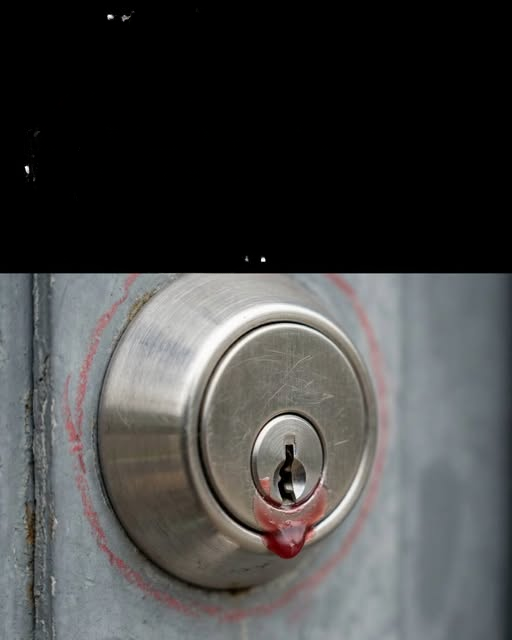
Coming home should feel familiar and reassuring. Because we see our front door every day, even a small unexpected detail—such as a colored mark, residue, or wax-like substance on the lock—can quickly attract our attention.
If you’ve ever noticed red wax or another unfamiliar material on your door lock, it’s natural to wonder how it got there. Fortunately, there are many possible explanations, and in most situations, the cause is far less alarming than people initially imagine.
Taking a calm, methodical approach is the best way to determine whether the mark is simply accidental or something that deserves further attention.
Why You Might Notice Wax on a Door Lock
Door locks are exposed to weather, frequent use, and contact with many different materials. As a result, it’s not unusual for them to collect dirt, paint, grease, or other residues over time.
A wax-like substance may appear for several reasons, including everyday activities or routine maintenance.
Possible explanations include:
- Contact with decorative candles or wax-based products.
- Residue transferred from packaging materials.
- Paint or sealant used during nearby maintenance.
- Lubricants designed for locks that have collected dust.
- Material transferred from gloves, bags, or other objects.
Without additional evidence, it is usually impossible to determine the exact source simply by looking at the mark.
Could It Be Related to Home Maintenance?
In apartment buildings, townhouses, and residential communities, maintenance personnel sometimes inspect doors, locks, or utility areas.
Temporary markings may occasionally be used to indicate completed work or identify items requiring inspection.
If your property has recently undergone maintenance or repairs, asking the building manager or maintenance team may quickly explain the situation.
Environmental Factors
Outdoor conditions can also affect the appearance of door hardware.
Heat from direct sunlight may soften certain materials, allowing them to transfer onto metal surfaces.
Wind can carry dust or debris that mixes with moisture or lubricants already present on the lock.
Seasonal weather changes may also leave behind unexpected residue that resembles wax.
What Should You Do If You Notice an Unfamiliar Mark?
Rather than assuming the worst, begin with a simple inspection.
Look for:
- Signs of damage to the lock.
- Loose hardware.
- Scratches around the keyhole.
- Difficulty locking or unlocking the door.
- Additional unusual marks nearby.
If the lock functions normally and there are no visible signs of tampering, the substance may simply be harmless residue.
Cleaning the area with appropriate household cleaning materials can often remove the mark.
Simple Home Security Habits
Regardless of the cause, unusual observations provide a good opportunity to review basic home security practices.
Helpful habits include:
- Make sure doors and windows lock securely.
- Replace worn or damaged locks when necessary.
- Keep exterior lighting in good working order.
- Regularly inspect entry points for signs of wear.
- Ensure security cameras or doorbell cameras, if installed, are functioning properly.
These routine checks contribute to overall household safety throughout the year.
When Should You Pay Closer Attention?
Although isolated marks are often harmless, you may wish to investigate further if you notice a pattern rather than a single occurrence.
For example:
- Similar marks appear repeatedly after being cleaned.
- Multiple homes in the neighborhood experience the same issue.
- The lock appears damaged or difficult to operate.
- Other unusual activity occurs around your property.
In these situations, documenting what you observe and contacting your property manager or local authorities, if appropriate, may provide additional guidance.
Avoid Jumping to Conclusions
Stories shared online sometimes suggest that every unusual mark on a home has a hidden meaning. In reality, there is often no evidence connecting isolated marks to any particular activity.
Without supporting information, it is important to avoid assuming the cause.
A careful, fact-based approach helps prevent unnecessary worry while ensuring that genuine maintenance or security concerns are addressed appropriately.
The Importance of Staying Observant
Being familiar with your home is one of the simplest ways to notice changes.
Regularly checking doors, windows, locks, outdoor lighting, and other entry points allows homeowners to identify maintenance needs early and maintain a secure environment.
Observation does not require alarm—it simply means paying attention to changes and responding thoughtfully when something appears out of the ordinary.
Final Thoughts
Finding red wax or another unfamiliar substance on a door lock can certainly raise questions, but there are many everyday explanations ranging from accidental contact to maintenance work or environmental residue.
Instead of making immediate assumptions, inspect the lock, clean the area if appropriate, and continue monitoring for any unusual changes.
Most situations turn out to have simple explanations, and maintaining good home security habits remains the most effective way to protect your property and enjoy greater peace of mind.
By combining awareness with practical action, homeowners can respond confidently whenever they notice something unexpected around their home.