Understanding Bruises
Most people notice a bruise from time to time. A small bump against a table, carrying heavy bags, or participating in sports can leave a mark that may not become visible until hours later.
In many cases, bruises are a normal part of everyday life and heal on their own over the course of several days or weeks.
However, some people occasionally notice bruises that seem to appear without remembering an injury. While this doesn’t automatically indicate a serious health problem, repeated or unusual bruising may be worth discussing with a healthcare professional, especially if it occurs frequently or is accompanied by other symptoms.
Understanding the common causes of bruising can help you know when it’s appropriate to monitor the situation and when it’s a good idea to seek medical advice.
What Is a Bruise?
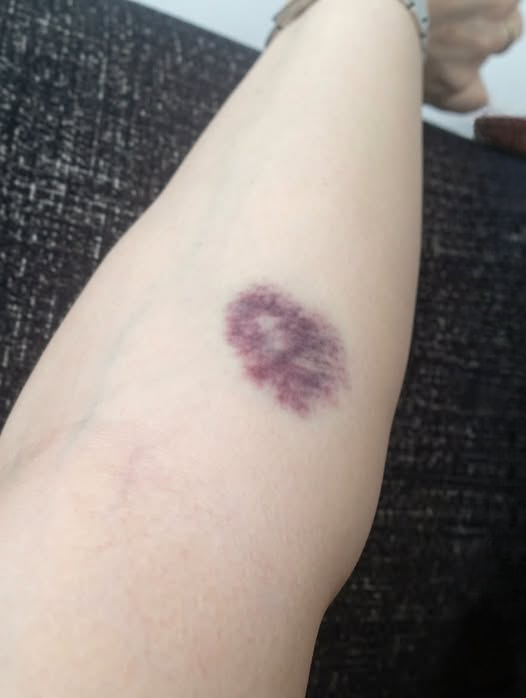
A bruise, also called a contusion, develops when tiny blood vessels beneath the skin are damaged after an impact or minor injury.
Instead of leaving the body, a small amount of blood collects under the skin, creating the familiar discoloration.
Bruises often change color as they heal, typically progressing through shades of:
- Dark blue or purple
- Green
- Yellow
- Light brown
This gradual color change is a normal part of the healing process.
Why Some Bruises Seem to Appear Without an Injury
Sometimes the injury that caused a bruise is so minor that it goes unnoticed.
For example, lightly bumping into furniture or carrying heavy objects may cause bruising without creating immediate pain.
Other factors can also make bruises more noticeable, including age, skin characteristics, and certain medications.
Common Reasons for Easy Bruising
Several everyday factors may contribute to bruising more easily.
Aging
As people grow older, the skin naturally becomes thinner, and the protective layer of fat beneath the skin gradually decreases.
This can make blood vessels more vulnerable to minor bumps.
Physical Activity
Exercise and recreational activities occasionally lead to small injuries that aren’t immediately noticed.
These minor impacts may become visible later as bruises.
Certain Medications
Some medications may increase the likelihood of bruising.
Examples include certain blood-thinning medications, aspirin, and some anti-inflammatory medicines.
Always discuss any concerns about medication side effects with your healthcare provider rather than stopping medication on your own.
Nutritional Factors
A balanced diet provides nutrients that support healthy skin and blood vessels.
If someone has concerns about nutrition or dietary deficiencies, a healthcare professional can recommend appropriate evaluation and guidance.
When Should You Pay Closer Attention?
Although many bruises are harmless, there are situations where medical evaluation is appropriate.
Consider speaking with a healthcare professional if you notice:
- Frequent bruises without an obvious cause
- Very large bruises after minor injuries
- Bruises that appear repeatedly in the same area
- Bruising accompanied by unusual bleeding
- Bruises that do not seem to improve over time
- New bruising after starting a medication
These symptoms do not necessarily indicate a serious condition, but they deserve professional assessment.
Other Symptoms to Monitor
If unexplained bruising occurs alongside other concerning symptoms, medical advice should be sought promptly.
Examples include:
- Frequent nosebleeds
- Bleeding gums
- Persistent fatigue
- Fever
- Unexplained weight loss
- Dizziness
Only a qualified healthcare professional can determine whether additional testing is needed.
How Bruises Heal
Most uncomplicated bruises improve naturally.
During healing, the body gradually breaks down and reabsorbs the trapped blood beneath the skin.
Recovery time depends on several factors, including:
- The size of the bruise
- Its location
- Individual healing rates
- Overall health
Most minor bruises become less noticeable within one to three weeks.
Caring for a Minor Bruise
For recent bruises caused by a known injury, general first-aid measures may include:
- Applying a cold pack wrapped in a cloth during the first day.
- Resting the affected area if practical.
- Elevating the injured limb when appropriate.
- Following advice from a healthcare professional if pain or swelling persists.
Avoid placing ice directly on the skin.
Supporting Healthy Skin
Maintaining healthy habits can help support skin and overall well-being.
These include:
- Eating a balanced diet
- Staying physically active
- Protecting the skin during sports or physical work
- Staying hydrated
- Attending regular medical checkups
Healthy lifestyle habits contribute to many aspects of overall health, including skin health.
When to Seek Immediate Medical Care
Emergency evaluation may be needed if bruising follows a significant injury, especially if it involves:
- A head injury
- Severe swelling
- Intense pain
- Difficulty moving a limb
- Signs of heavy bleeding
Prompt medical attention is important in these situations.
Final Thoughts
Most bruises are a normal result of everyday activities and heal without treatment.
However, frequent, unexplained, or unusual bruising deserves attention—not because it necessarily signals a serious condition, but because it may be helpful to discuss it with a healthcare professional.
Paying attention to changes in your body, maintaining healthy habits, and seeking medical advice when symptoms are persistent are practical steps toward protecting your overall health.
Understanding the difference between common bruising and changes that warrant evaluation can help you make informed decisions without unnecessary worry.