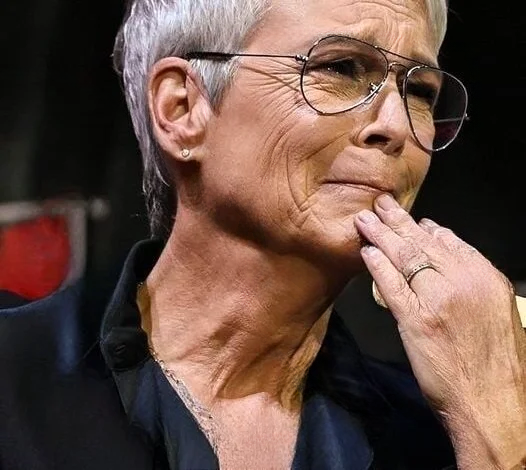
Understanding Public Grief: Jamie Lee Curtis and the Importance of Human Connection
Introduction: When Personal Loss Becomes a Shared Human Experience
Grief is one of the most universal experiences of human life. Regardless of age, profession, financial circumstances, or public recognition, everyone can experience the emotional challenges associated with losing someone important. Although people respond to loss in different ways, feelings of sadness, uncertainty, remembrance, and longing are familiar parts of the human experience.
For well-known personalities, dealing with personal loss can become particularly complicated. Public figures often find themselves balancing private emotions with professional responsibilities and the expectations of audiences who follow their lives. Their experiences may become part of public conversations, especially when they choose to speak openly about friendship, memories, and the importance of supporting those affected by loss.
Actress Jamie Lee Curtis has recently offered a meaningful example of this experience through her public reflections on the deaths of her longtime friends Rob Reiner and Michele Reiner. Her comments have highlighted the importance of friendship, family connections, compassion, and remaining present for people who are navigating difficult circumstances.
Curtis has spoken about her emotional connection with the Reiner family and her continuing relationship with their children, Jake and Romy. Rather than presenting grief as something that can be quickly overcome, her comments illustrate how relationships can remain meaningful even after someone is no longer physically present.
Her reflections also demonstrate that public recognition does not remove the ordinary emotional challenges associated with losing loved ones. Celebrities may have professional responsibilities and public platforms, but they experience personal relationships and emotional difficulties just like other people.
This article explores Jamie Lee Curtis’s reflections, the importance of human connection during difficult periods, the different ways people experience grief, and the valuable lessons that can be learned from supporting others.
Jamie Lee Curtis and Her Longstanding Connection to the Reiner Family
Jamie Lee Curtis has enjoyed a successful career in the entertainment industry for several decades. Known for her performances in films such as Halloween, A Fish Called Wanda, True Lies, and Everything Everywhere All at Once, she has established herself as one of Hollywood’s most recognizable actresses.
However, her professional achievements represent only one part of her life.
Like many people who have spent decades working in the entertainment industry, Curtis has developed friendships and professional relationships that extend far beyond individual film productions.
One particularly important connection was her longstanding friendship with filmmaker Rob Reiner and his wife, Michele Reiner.
The relationship between the families extended across many years. Curtis and her husband, Christopher Guest, were married at Rob Reiner’s home in 1984, with Reiner serving as the best man at their wedding.
Their families also developed close personal connections. Rob and Michele became godparents to Curtis’s daughter, Annie, reflecting the importance of their relationship beyond professional entertainment circles.
These details help explain why Curtis’s recent comments about the Reiner family have attracted attention.
Her connection to them was not simply based on working in the same industry or attending the same events. It involved decades of friendship, shared experiences, family relationships, and personal memories.
Friendships built over many years can become an important part of a person’s identity. They often include significant milestones, private conversations, celebrations, and everyday experiences that are difficult to replace.
When someone who has been part of that history is lost, the emotional impact can extend into many different areas of life.
For Curtis, remembering Rob and Michele also means recognizing the family connections and shared experiences that made their friendship meaningful.
Jamie Lee Curtis Opens Up About Grief and Family Support
In recent interviews, Curtis has spoken about remaining close to Jake and Romy Reiner following the deaths of their parents.
During a conversation with Extra in November 2026, she described the relationship as a family connection and explained how the circumstances had brought people closer together.
Her comments reflected the emotional importance of being present for the Reiner children as they continue navigating life after their parents’ deaths.
Curtis also described how emotional it can be to spend time with Jake and hear him speak about his parents and their relationship.
These reflections provide an example of how grief can affect not only immediate family members but also close friends who have shared significant periods of life with the people who have died.
Her comments are particularly meaningful because they recognize that emotional support does not necessarily require complicated gestures.
Sometimes, simply being available, listening, and maintaining a connection can make a significant difference.
Curtis has also discussed the difficulty of expressing private grief in public.
As a recognizable actress, she understands that people may be interested in her personal experiences. At the same time, she has emphasized the importance of respecting the emotional significance of the loss and keeping attention on the family and the work associated with Rob and Michele’s legacy.
Her approach demonstrates an important distinction between discussing personal experiences and turning difficult circumstances into entertainment.
Grief deserves sensitivity, patience, and respect, particularly when several families and individuals are affected.
The Emotional Challenges of Losing Close Friends
Friendship is an important part of human development and emotional well-being.
Close friends can become trusted companions who provide encouragement, advice, understanding, and a sense of belonging.
Some friendships last for only a short period, while others continue for decades. The relationships that remain meaningful over many years often become connected to important memories and life experiences.
Losing a close friend can therefore create an emotional experience that is difficult to explain.
People may remember conversations, celebrations, disagreements, shared achievements, and ordinary moments that once seemed unremarkable.
These memories can become especially important after a loss.
For someone like Jamie Lee Curtis, whose friendship with Rob and Michele Reiner extended across decades, remembering them involves more than recalling public achievements.
It also involves remembering their personalities, family relationships, shared experiences, and the role they played in everyday life.
Friendship-related grief is sometimes overlooked because people may assume that only immediate relatives experience profound emotional loss.
However, close friends can experience significant sadness and adjustment difficulties after losing someone important.
They may also feel uncertain about how to support surviving family members while processing their own emotions.
There is no single correct way to respond.
Some people prefer discussing memories, while others need time alone. Some find comfort in remaining socially connected, while others appreciate quiet moments of reflection.
The important point is that grief should not be judged according to a fixed timetable or a particular emotional response.
Every relationship is different, and every person’s experience deserves understanding.
Why Human Connection Matters During Difficult Times
Human connection can provide valuable emotional support during periods of uncertainty and sadness.
When people experience loss, everyday responsibilities may suddenly feel more difficult. Tasks that were previously routine can require additional effort, and familiar surroundings may become associated with memories.
Having supportive people nearby can help individuals feel less isolated.
Friends and relatives may offer practical assistance, provide opportunities to talk, or simply spend time with someone who needs companionship.
These actions may appear ordinary, but their importance should not be underestimated.
Jamie Lee Curtis’s comments about remaining close to Jake and Romy Reiner illustrate this principle.
Her continued involvement reflects the value of maintaining relationships after a difficult event rather than assuming that support ends once public attention moves elsewhere.
Human connection also helps preserve meaningful memories.
When friends and family members share stories about someone who has died, they create opportunities to remember that person’s influence and recognize the experiences that continue to matter.
This does not mean that remembering someone removes sadness.
Instead, it provides a way to acknowledge the importance of a relationship while gradually adapting to life after a loss.
For many people, the knowledge that others care about them can provide reassurance during emotionally challenging periods.
Support may come from relatives, close friends, neighbors, colleagues, community organizations, or professional counselors.
The source of support is less important than the presence of genuine understanding and respect.
Understanding the Different Stages of Grief
Grief is often discussed as though it follows a predictable sequence. However, real experiences are usually much more complicated.
People may experience several emotions at once, move between different feelings, or encounter unexpected reactions long after a loss.
Some individuals experience intense sadness immediately, while others initially focus on practical responsibilities and only later begin processing their emotions.
Neither experience is automatically more appropriate than the other.
One commonly discussed framework is the five-stage model of grief, which includes denial, anger, bargaining, depression, and acceptance.
These stages are sometimes used to explain emotional responses to loss, but they should not be treated as a universal timetable.
Not everyone experiences all five stages, and people do not necessarily experience them in the same order.
Denial and Emotional Shock
Denial can sometimes describe the initial difficulty of accepting that someone important has died.
A person may feel emotionally disconnected from what has happened or struggle to understand how everyday life can continue.
This response can occur because a significant loss challenges a person’s expectations and sense of normality.
People may need time to process the information and adjust to the reality of their circumstances.
Anger and Frustration
Anger can also become part of the grieving experience.
Individuals may feel frustrated about the circumstances surrounding a loss, the changes that follow, or the fact that someone important is no longer present.
These feelings can be directed toward different situations or may arise without an obvious explanation.
It is important to understand that emotions are not always simple or consistent.
Bargaining and Reflection
Some people spend time thinking about past conversations, decisions, or experiences.
They may wonder whether circumstances could have been different or revisit memories connected to the person they lost.
Reflection can be a natural part of trying to understand a difficult experience.
Sadness and Emotional Adjustment
Sadness is one of the most widely recognized responses to loss.
It may affect motivation, concentration, sleep, and interest in everyday activities.
Some people experience sadness in waves, particularly when encountering reminders of the person they miss.
Supportive relationships and appropriate professional guidance can help individuals navigate these experiences.
Acceptance and Moving Forward
Acceptance does not mean forgetting someone or deciding that the loss no longer matters.
Instead, it can involve gradually recognizing the reality of what happened and finding ways to continue living while preserving meaningful memories.
People may still experience sadness long after reaching a greater sense of adjustment.
Moving forward does not require abandoning the past.
It means allowing memories and continuing relationships with others to become part of a changing life.
The Challenges of Experiencing Grief in the Public Eye
Public figures experience personal loss under circumstances that can differ from those of people who live outside the entertainment industry.
When a celebrity speaks about a personal experience, interviews, photographs, social media posts, and news reports can quickly attract attention.
This attention can sometimes provide opportunities for meaningful conversations.
However, it can also create additional pressure.
Public figures may feel expected to explain their emotions, provide updates, or respond to questions while they are still processing difficult circumstances.
This can make it challenging to maintain a healthy distinction between private life and public responsibilities.
Jamie Lee Curtis has acknowledged the complicated nature of experiencing personal grief while maintaining a public-facing career.
Her reflections on paying tribute to Rob Reiner during the 2026 Emmy Awards demonstrated how emotionally demanding public remembrance can become.
She explained that participating in the tribute was more difficult than she had anticipated.
The experience involved representing not only her personal friendship but also the memories of colleagues, friends, family members, and admirers.
This illustrates an important reality: public recognition does not make emotional experiences easier.
A person may appear confident and composed during an interview or professional event while experiencing sadness privately.
The public usually sees only a small part of an individual’s life.
For this reason, audiences should approach discussions about celebrity grief with empathy and avoid making assumptions about how someone should behave.
Remembering Rob and Michele Reiner Through Their Contributions
When discussing grief, it is important to remember the people being mourned rather than focusing exclusively on the emotional responses of those around them.
Rob Reiner was an influential American filmmaker, actor, producer, and director whose career included several memorable productions.
He became widely recognized for directing films such as This Is Spinal Tap, Stand by Me, The Princess Bride, When Harry Met Sally…, Misery, and A Few Good Men.
His work covered comedy, drama, romance, adventure, and social storytelling.
Many of these productions became important parts of popular film culture and continue attracting viewers.
His creative career also included television acting, producing, and involvement in social and public causes.
Michele Reiner was also involved in public and charitable activities, and her work included supporting organizations and initiatives connected to children and families.
Their shared involvement with the Children’s Institute became an important part of the public conversation surrounding their legacy.
Remembering their contributions offers an opportunity to recognize the different ways individuals can influence communities.
Some people make their impact through artistic achievements, while others contribute through charitable work, family involvement, advocacy, and community relationships.
In the case of Rob and Michele Reiner, their legacy includes both their professional accomplishments and their commitment to causes they considered important.
The Importance of Continuing Their Humanitarian Work
One meaningful way to remember individuals who supported charitable organizations is to continue contributing to the causes they valued.
The Children’s Institute is an organization associated with supporting children and families through services designed to improve well-being and opportunities.
Rob and Michele Reiner had connections to the organization, and their family has expressed interest in continuing aspects of their community involvement.
Jamie Lee Curtis has also discussed her connection to the organization and the importance of supporting its work.
Her involvement demonstrates how personal relationships can encourage individuals to participate in activities that benefit wider communities.
Charitable work can take many forms.
Some people contribute financially, while others volunteer their time, share information, organize community activities, or help connect individuals with available resources.
The most important element is the intention to make a positive contribution.
Continuing meaningful projects can also provide a constructive way for communities to remember people whose lives were connected to helping others.
However, charitable participation should never be presented as a requirement for grieving.
People have different emotional and practical circumstances, and there are many ways to remember someone.
For some, contributing to an organization may be meaningful. For others, preserving photographs, sharing stories, or maintaining family traditions may feel more appropriate.
There is no single correct method.
Why Listening Is One of the Most Valuable Forms of Support
People sometimes feel uncertain about what to say when someone experiences a significant loss.
They may worry about using the wrong words or making the situation more difficult.
As a result, they may avoid conversations altogether.
However, supportive communication does not always require perfect wording.
Often, listening is more important than offering advice.
A grieving person may simply need an opportunity to express memories, describe emotions, or discuss practical challenges.
Allowing someone to speak without interrupting or immediately trying to solve the problem can communicate genuine care.
It is also important to avoid comparing one person’s experience with another’s.
Statements such as “I know exactly how you feel” may not reflect the individuality of someone’s circumstances.
A more supportive approach is to acknowledge that the situation is difficult and offer to remain available.
Simple expressions of care can be valuable.
For example, asking whether someone would appreciate company, offering help with everyday responsibilities, or checking in periodically can make a difference.
Support should also respect personal boundaries.
Some people appreciate regular conversations, while others need periods of quiet.
Understanding these preferences is part of providing meaningful companionship.
Jamie Lee Curtis’s public reflections emphasize the importance of maintaining relationships during difficult periods.
Her example encourages people to recognize that support is not limited to dramatic gestures.
Consistency, patience, and genuine concern often matter most.
How Friends and Family Can Help Someone Experiencing Loss
Supporting a grieving individual involves understanding that emotional needs may change over time.
The first days and weeks following a loss can involve many practical responsibilities.
Family members may need assistance with arrangements, communication, household responsibilities, and other everyday tasks.
Later, when public attention decreases and normal routines gradually return, some individuals may experience feelings of isolation.
Maintaining contact can therefore remain important long after the initial event.
There are several practical ways friends and family members can provide support.
Stay Available Without Creating Pressure
Letting someone know that support is available can provide reassurance.
However, it is important not to demand conversations or expect immediate responses.
Giving people space while remaining approachable can help them feel respected.
Offer Practical Assistance
Everyday responsibilities can become challenging during emotionally difficult periods.
Helping with meals, shopping, transportation, or household tasks may reduce some of the pressure.
Specific offers are often more useful than general statements.
Remember Important Dates
Anniversaries, birthdays, and other meaningful occasions may bring back strong memories.
A thoughtful message or conversation can remind someone that their loss has not been forgotten by the people around them.
Encourage Healthy Social Connections
Spending time with trusted friends and relatives can help reduce feelings of isolation.
Social activities should be offered gently, without making someone feel obligated to participate.
Respect Individual Differences
There is no universal grieving style.
Some people talk openly, while others prefer privacy.
The best support is usually based on understanding the individual’s preferences rather than following assumptions.
The Role of Memories in Keeping Relationships Meaningful
Memories play an important role in how people understand relationships after someone dies.
Photographs, conversations, music, familiar places, and shared traditions can all become reminders of meaningful experiences.
These reminders may sometimes create sadness, but they can also provide comfort.
Remembering a person does not mean remaining permanently focused on the past.
It can involve recognizing how the relationship influenced personal development and shaped important experiences.
For example, someone may remember a friend’s encouragement during a difficult period or the happiness associated with a family celebration.
These experiences can remain meaningful even when circumstances change.
In public life, films, interviews, charitable projects, and artistic contributions can also preserve memories.
Rob Reiner’s filmography provides audiences with opportunities to revisit his creative work, while the charitable activities associated with his family provide another way to understand his public influence.
For Jamie Lee Curtis, memories of the Reiner family also include personal relationships that cannot be fully represented through film credits or public achievements.
This distinction is important.
A person’s life is much larger than their professional biography.
Their influence may be felt through friendships, family relationships, shared experiences, and the people they supported.
Jamie Lee Curtis and the Responsibility of Public Recognition
Public recognition can give celebrities an opportunity to bring attention to subjects that are often difficult to discuss.
When well-known individuals speak about emotional challenges, audiences may feel encouraged to reflect on their own experiences.
However, public figures also have a responsibility to approach sensitive subjects thoughtfully.
Jamie Lee Curtis has frequently used interviews and public appearances to discuss subjects extending beyond her acting career.
Her recent comments about grief demonstrate how personal experiences can create opportunities for conversations about friendship, family, and community support.
Her participation in the Emmy Awards tribute and her connection to the Children’s Institute have also drawn attention to the importance of remembering individuals through their contributions.
Nevertheless, it is important to recognize that celebrities should not be expected to share every aspect of their private lives.
Public interest does not eliminate personal boundaries.
Curtis’s experience illustrates the balance between acknowledging meaningful relationships and maintaining privacy during difficult periods.
Her approach provides an example of how public figures can discuss emotional subjects without suggesting that everyone must respond in the same way.
Why Conversations About Grief Matter in Modern Society
Modern society often places considerable emphasis on productivity, professional success, and maintaining busy schedules.
As a result, people sometimes feel pressure to return to normal activities quickly after experiencing a loss.
This expectation can make grief more difficult.
Individuals may worry about appearing emotional at work, discussing personal challenges with colleagues, or asking others for support.
Open conversations about grief can help reduce these difficulties.
They can encourage people to recognize that emotional adjustment is a normal part of human experience.
They can also help communities understand that support may be needed long after a significant event.
Public discussions involving well-known individuals can contribute to greater awareness.
However, meaningful conversations should avoid treating grief as entertainment or making assumptions about someone’s private circumstances.
The goal should be to encourage understanding, not curiosity about personal suffering.
Jamie Lee Curtis’s reflections provide an opportunity to discuss these issues through the broader themes of friendship and human connection.
They remind audiences that emotional experiences are not limited to any particular profession or social group.
Everyone benefits from relationships built on compassion, respect, and trust.
The Connection Between Community and Emotional Well-Being
Communities can play an important role in helping people navigate difficult life experiences.
A supportive community provides opportunities for individuals to connect with others, share information, and access appropriate assistance.
Community support may include neighborhood relationships, cultural organizations, religious institutions, schools, charitable groups, and professional services.
Each can contribute in different ways.
For example, a local organization may provide practical assistance, while a close group of friends may offer companionship.
Professional counselors can provide structured guidance to people who need additional support.
The most effective approach often involves recognizing that emotional well-being is influenced by several aspects of life.
People may need social connection, practical help, time for reflection, and access to professional resources.
The example of the Reiner family’s connection with the Children’s Institute also illustrates how community organizations can become part of a broader legacy.
Organizations dedicated to helping children and families can continue providing services that benefit individuals beyond the original relationships that brought supporters together.
Supporting such initiatives is one way communities can transform remembrance into positive action.
The Importance of Giving People Time
One of the most valuable lessons associated with grief is the importance of patience.
People sometimes expect emotional adjustment to happen within a particular period.
However, grief does not follow a universal schedule.
A person may feel relatively comfortable one day and experience unexpected sadness the next.
Certain occasions may bring back memories even after someone has begun adjusting to new circumstances.
This does not necessarily mean that progress has been lost.
It reflects the complicated relationship between memory, emotion, and personal experience.
Friends and relatives should avoid imposing deadlines on someone else’s emotional recovery.
Expressions such as “You should be over it by now” can create unnecessary pressure.
A more understanding approach recognizes that adjustment takes different amounts of time for different people.
Professional support may also be beneficial when grief becomes especially difficult to manage or significantly affects everyday functioning.
Seeking help should be understood as a positive step rather than a sign of weakness.
The central message is that individuals deserve the freedom to process loss in ways that reflect their own needs and circumstances.
Finding Meaning While Moving Forward
Moving forward after a loss does not require abandoning memories or pretending that nothing has changed.
Instead, it can involve discovering ways to continue daily life while recognizing the importance of past relationships.
For some individuals, this may involve returning to hobbies, developing new routines, spending time with relatives, or participating in community activities.
Others may find meaning through creative projects, charitable involvement, or preserving family traditions.
There is no single method that works for everyone.
Jamie Lee Curtis’s continued connection with Jake and Romy Reiner provides an example of how relationships can continue developing even after a significant loss.
The relationship may take on new meaning as people support one another and share memories of those who are no longer present.
This does not remove the sadness associated with losing loved ones.
However, it demonstrates that meaningful relationships can remain an important source of connection during difficult periods.
Communities can also find constructive ways to recognize the contributions of people who have died.
Through artistic projects, charitable activities, educational initiatives, and shared memories, their influence can remain part of the lives of others.
What We Can Learn From Jamie Lee Curtis’s Reflections
The experiences discussed by Curtis offer several lessons that extend beyond the entertainment industry.
First, personal relationships are valuable and deserve attention.
Professional achievements and public recognition may bring opportunities, but friendships and family connections often provide a different kind of meaning.
Second, emotional experiences should not be judged according to public expectations.
People who experience loss deserve time, understanding, and respect.
Third, supporting others involves consistency.
A meaningful relationship is not defined only by what someone does during a difficult moment but also by the willingness to remain available afterward.
Fourth, memories can become an important part of preserving relationships.
Sharing positive experiences and recognizing someone’s contributions can help people maintain meaningful connections.
Finally, public conversations can encourage greater awareness when handled responsibly.
Curtis’s comments remind audiences that grief is not a weakness and that seeking companionship or support is a normal part of navigating challenging circumstances.
These lessons are relevant to families, friendships, workplaces, and communities everywhere.
Conclusion: Human Connection Is More Important Than Ever
Jamie Lee Curtis’s recent reflections on the deaths of Rob and Michele Reiner provide a meaningful opportunity to consider the importance of friendship, family, and emotional support.
Her longstanding connection with the Reiner family demonstrates that personal relationships can remain deeply significant across decades.
Her efforts to remain close to Jake and Romy Reiner also illustrate how compassion can take the form of continued presence, understanding, and genuine care.
Grief is an individual experience, and there is no universal formula for navigating it. Some people find comfort in conversation, while others need time for reflection. Many benefit from a combination of family support, friendships, community connections, and professional guidance.
What matters most is recognizing that nobody should feel required to face difficult experiences without support.
The story also encourages people to remember the contributions of those they have lost. Rob and Michele Reiner’s professional and community activities remain part of their public legacy, while the personal memories shared by friends and family represent