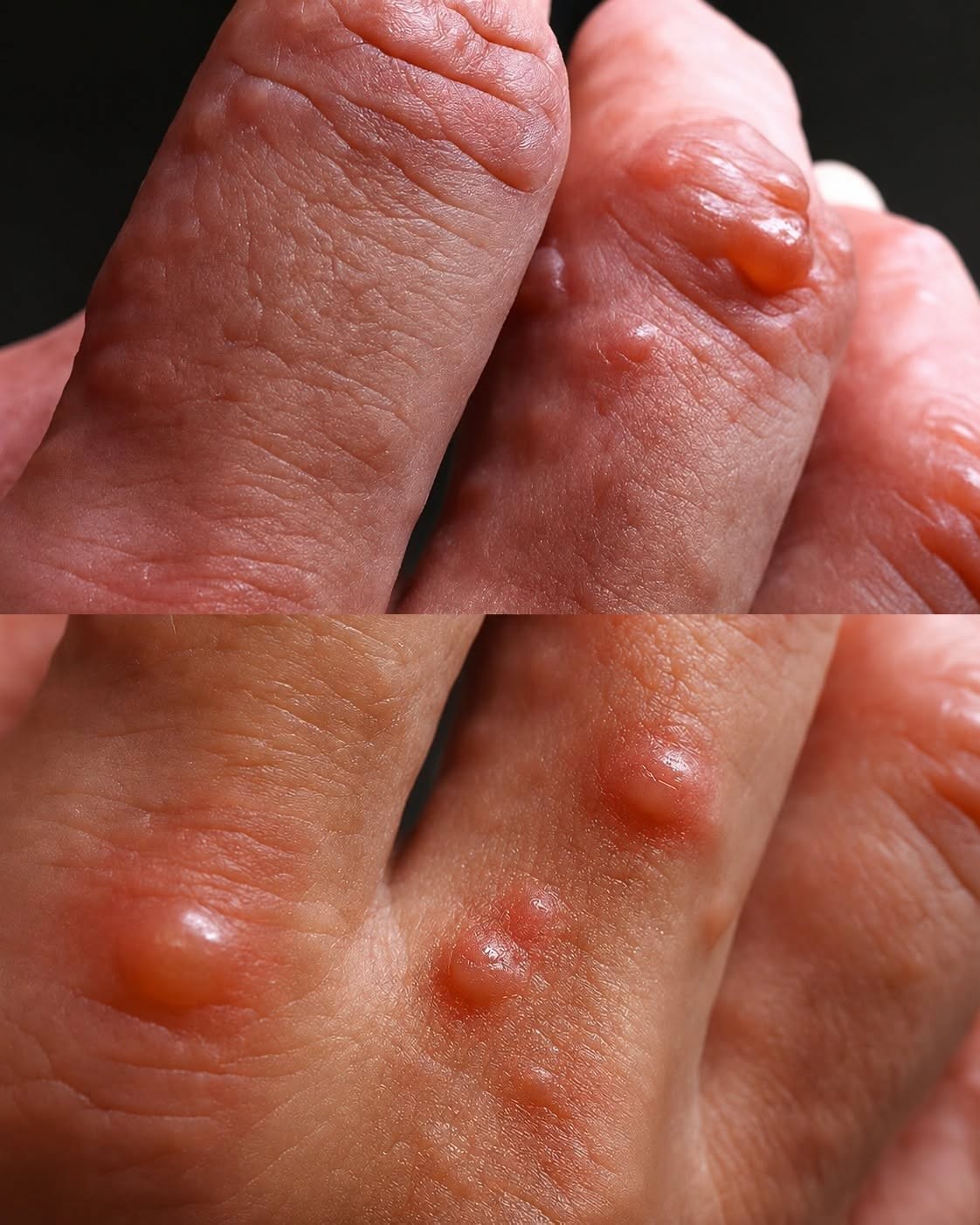
Have you ever noticed a few tiny red dots on your skin and wondered where they came from?
Perhaps you spotted them on your arms, chest, back, legs, or another part of your body while getting dressed or looking in the mirror.
Small red spots can be surprising, particularly when they seem to appear without an obvious explanation.
The good news is that many small red marks are harmless and can occur for ordinary reasons. Skin can change with age, temperature, irritation, sun exposure, minor injuries, allergies, and many other factors.
However, not every red spot is the same.
The appearance, size, shape, location, number of spots, and whether they change over time can all provide useful information.
Some skin changes are worth discussing with a healthcare professional, particularly if they appear suddenly, spread quickly, bleed, become painful, or occur together with other symptoms.
Rather than assuming that every red dot represents a serious health problem, it’s more useful to understand some of the common possibilities.
Small Blood-Vessel Spots Can Become More Noticeable With Age
One common type of small red spot is often associated with changes in tiny blood vessels in the skin.
Cherry angiomas are small, benign growths made up of blood vessels.
They can appear as bright red, reddish-purple, or darker red spots and are often round or slightly raised.
They become increasingly common with age.
Cherry angiomas can occur on different parts of the body and may appear individually or in groups.
Although they can sometimes bleed if scratched or irritated, they are generally harmless.
Because many different skin conditions can look similar, however, it’s best not to diagnose a new skin growth solely from an internet photograph.
If you’re uncertain about a spot, a healthcare professional can examine it.
Irritation Can Cause Temporary Redness
The skin can become red when it is irritated.
A new soap, detergent, cosmetic, shaving product, fabric, adhesive, or skincare ingredient can sometimes cause irritation.
Friction can have a similar effect.
For example, tight clothing or repeated rubbing can leave an area looking red or irritated.
If the redness appears after using a new product, consider whether the timing could be connected.
Avoiding the suspected irritant may allow the skin to settle.
However, if the rash becomes extensive, painful, swollen, blistered, or persistent, professional advice may be appropriate.
Insect Bites Can Look Like Small Red Spots
Insect bites are another common explanation for isolated red marks.
A bite may produce a small bump, redness, swelling, or itching.
The appearance can vary depending on the insect and the individual’s reaction.
Some bites disappear within a short time, while others can remain noticeable for several days.
Try not to scratch repeatedly, because broken skin can become irritated or infected.
If you develop significant swelling, difficulty breathing, dizziness, or another severe reaction after a bite or sting, seek urgent medical attention.
Allergic Reactions Can Affect the Skin
Some red spots or patches can occur as part of an allergic or hypersensitivity reaction.
The rash may be itchy and can appear in different areas of the body.
Hives, for example, often appear as raised, itchy areas that can change location or shape.
Potential triggers include foods, medications, insect stings, infections, and other exposures.
A mild rash may resolve, but a rapidly developing rash accompanied by swelling of the lips, tongue, or throat, difficulty breathing, faintness, or severe weakness requires emergency medical attention.
Heat Can Change the Appearance of Your Skin
Heat, sweating, and humidity can sometimes contribute to small red bumps or spots.
Heat rash can occur when sweat ducts become blocked, producing small irritated areas on the skin.
It is more common in hot or humid environments and may improve when the skin is kept cool and dry.
Wearing loose, breathable clothing and avoiding excessive heat can help reduce irritation.
If a rash persists despite removing the suspected trigger, however, consider having it evaluated.
Sun Exposure Can Play a Role
The skin can develop various changes after repeated exposure to ultraviolet radiation.
Sun exposure contributes to skin aging and can increase the risk of certain skin cancers.
Some red or rough spots can occur on sun-exposed areas.
A spot that is persistent, scaly, crusted, bleeding, painful, or changing in appearance deserves professional attention.
Regular sun protection—including shade, protective clothing, and appropriate sunscreen—can help reduce ultraviolet exposure.
Scratches and Minor Injuries Can Leave Red Marks
Sometimes the simplest explanation is a small injury you didn’t notice.
A scratch, pressure mark, shaving irritation, or minor bump can cause temporary redness.
The mark may become less noticeable as the skin heals.
If the spot continues to grow, changes significantly, becomes painful, or doesn’t behave like a typical minor injury, it may be worth asking a healthcare professional about it.
Why Do Some Red Spots Not Turn Pale When Pressed?
People sometimes perform a simple test by pressing on a red spot to see whether it temporarily becomes lighter.
This is sometimes called blanching.
Some types of redness may fade when pressure is applied, while other spots may not.
Although this observation can provide a healthcare professional with useful information, it isn’t enough to diagnose a skin condition at home.
A spot that doesn’t blanch can have different possible causes.
If you develop many tiny red or purple spots suddenly, particularly together with fever, feeling very unwell, unusual bruising, bleeding, or other concerning symptoms, seek medical advice promptly.
When Red Spots Appear With Other Symptoms
The surrounding symptoms can be more informative than the color of the spot alone.
Pay attention to whether you also have:
-
Fever.
-
Significant itching.
-
Pain or tenderness.
-
Swelling.
-
Easy or unexplained bruising.
-
Unusual bleeding.
-
Fatigue or feeling significantly unwell.
-
Rapid spreading of the rash.
-
Difficulty breathing.
-
Swelling of the face or throat.
A combination of skin changes and systemic symptoms may warrant medical assessment.
Don’t Assume Every Red Spot Is a Vitamin Deficiency
Online posts sometimes claim that tiny red dots automatically mean you’re deficient in a particular vitamin.
That’s not a reliable way to diagnose nutritional problems.
Nutrition can influence skin health, but a specific red spot doesn’t provide enough information to determine whether someone has a vitamin or mineral deficiency.
If you are concerned about your nutrition, consider your overall diet and discuss persistent symptoms with a healthcare professional.
Testing may be appropriate in some circumstances.
Taking large amounts of supplements without knowing whether you need them isn’t necessarily helpful and can sometimes cause harm.
What About Blood Disorders?
Certain blood or platelet-related conditions can be associated with skin findings such as pinpoint spots or unusual bruising.
However, the presence of a few red dots does not mean that someone has a blood disorder.
If you notice a sudden increase in tiny red or purple spots, unexplained bruising, frequent nosebleeds, unusual bleeding, or other symptoms, medical evaluation is appropriate.
A healthcare professional can determine whether further testing is necessary.
When Should You Have a Skin Spot Examined?
Consider having a new or unusual spot evaluated if it:
-
Continues to grow.
-
Changes color or shape.
-
Develops an irregular appearance.
-
Bleeds without an obvious reason.
-
Repeatedly crusts or heals and returns.
-
Becomes painful.
-
Doesn’t improve as expected.
-
Appears alongside other concerning symptoms.
These features don’t automatically mean that the spot is dangerous.
They simply make professional evaluation more worthwhile.
Don’t Pick or Scratch Unfamiliar Spots
If you find a new mark, avoid repeatedly scratching, squeezing, or attempting to remove it yourself.
Doing so can cause inflammation, bleeding, scarring, or infection.
Instead, take a clear photograph in good lighting and monitor whether the appearance changes.
If you decide to seek medical advice, a photograph showing how the spot looked when you first noticed it can sometimes be useful.
Skin Changes Are More Common Than You Might Think
It’s easy to become worried when you notice something new on your skin.
But skin is constantly changing.
Minor marks can appear after everyday activities, and harmless growths can become more common with age.
The internet can make this more confusing because the same general description—such as “tiny red spot”—can refer to many different things.
That’s why dramatic health headlines should be approached carefully.
A description alone cannot replace an examination.
Protecting Your Skin Over Time
Regardless of what causes an individual red spot, basic skin-care habits can help maintain healthy skin.
Protect yourself from excessive ultraviolet exposure.
Avoid smoking.
Use gentle products if your skin is sensitive.
Keep the skin moisturized when needed.
Don’t repeatedly pick at blemishes or unusual spots.
And pay attention to changes rather than obsessively checking every small mark.
Regular medical care can also help identify skin problems that require treatment.
Final Thoughts
So, what could tiny red spots on your skin mean?
There isn’t one universal answer.
They can be associated with harmless changes such as cherry angiomas, irritation, heat rash, insect bites, minor injuries, or other everyday skin reactions.
In other cases, persistent or unusual red or purple spots may deserve professional evaluation, especially when they change rapidly or appear together with unexplained bruising, bleeding, fever, significant pain, or other symptoms.
The most important thing is not to panic—and not to assume that an internet checklist can provide a diagnosis.
Look at the bigger picture.
Consider when the spots appeared, whether they’re changing, whether you’ve recently used a new product or medication, and whether you have any other symptoms.
If you’re uncertain, a healthcare professional can examine the skin and determine whether anything further needs to be done.
Your skin can provide useful clues about your overall health, but one small red spot rarely tells the whole story.
Instead of searching for a frightening explanation, focus on observing changes carefully and getting appropriate medical advice when something seems unusual or persistent.