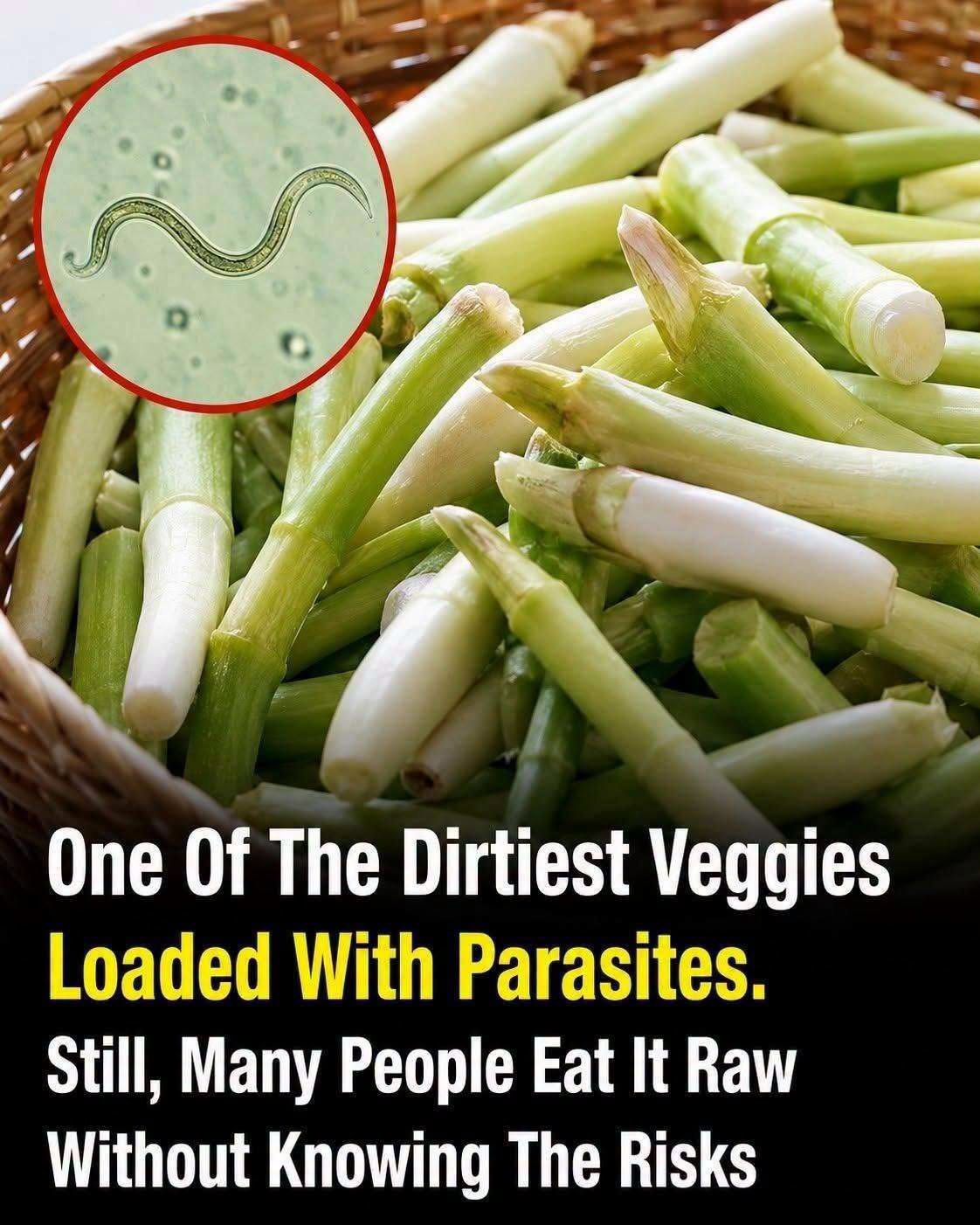
Fresh vegetables are an important part of a balanced diet, and for many people, eating them raw is one of the easiest ways to enjoy their crisp texture, refreshing flavor, and convenience.
A handful of sliced vegetables can turn an ordinary meal into something colorful and satisfying. They can be added to salads, sandwiches, wraps, lunch boxes, or simply eaten as a quick snack.
But there is one part of eating raw vegetables that is easy to overlook: food safety.
Fresh produce grows outdoors or passes through multiple stages before reaching the kitchen. During harvesting, transportation, storage, and handling, vegetables can potentially come into contact with soil, water, animals, equipment, or contaminated surfaces.
That doesn’t mean raw vegetables are unsafe.
It simply means that washing and handling them correctly matters.
Some vegetables may receive more attention when discussing foodborne contamination because of how they are grown or eaten. Produce that grows close to the ground, has uneven surfaces, or is commonly eaten without cooking can require particular care during preparation.
And that is why one familiar vegetable deserves a closer look.
Why Raw Vegetables Can Carry Contamination
When people think about foodborne illness, they often imagine undercooked meat, eggs, or seafood.
Fresh produce may not be the first thing that comes to mind.
However, vegetables can also become contaminated before they reach your kitchen.
Soil can contain microorganisms.
Water used for irrigation can potentially become contaminated.
Animals can come into contact with crops.
Harvesting equipment and containers can transfer contaminants from one surface to another.
Even after produce reaches a grocery store, additional handling can occur.
Customers may touch vegetables while selecting them, workers may handle them during stocking, and produce can come into contact with other foods or surfaces.
The important point is that contamination isn’t always visible.
A vegetable can look fresh, clean, and perfectly healthy while still carrying microscopic contaminants on its surface.
That is why appearance alone isn’t a reliable measure of food safety.
Why Washing Matters
One of the simplest steps people can take is also one of the most important: washing fresh produce under running water before eating it.
Washing can help remove dirt, debris, and some microorganisms from the surface.
It is particularly useful when vegetables are going to be eaten raw because cooking is not being used as an additional safety step.
The process doesn’t have to be complicated.
Start by washing your hands with soap and water.
Then rinse the vegetable thoroughly under clean running water.
For produce with a firm surface, gently rubbing the exterior can help remove dirt and other material.
If the vegetable has damaged or bruised sections, those portions can be removed.
Clean utensils and cutting boards should also be used during preparation.
These basic habits can make a significant difference in reducing the chance of transferring contaminants around the kitchen.
What About Parasites?
The word “parasite” can sound alarming, but it’s important to put the risk into context.
Parasites are organisms that live in or on another organism and obtain nutrients from it.
Certain parasites can be associated with contaminated food or water.
However, it would be misleading to suggest that a particular vegetable is automatically dangerous simply because it is eaten raw.
The actual risk depends on numerous factors.
These can include where the produce was grown, the quality of irrigation water, agricultural practices, harvesting and processing conditions, transportation, storage, handling, and preparation.
In other words, the name of the vegetable alone doesn’t tell us whether a particular item is contaminated.
This is why responsible food-safety advice focuses on proper handling rather than creating fear around a specific food.
Vegetables That Grow Close to the Ground
Produce that grows close to or directly in soil can sometimes require extra attention during cleaning.
Soil naturally contains many microorganisms and other organisms.
If soil or contaminated water comes into contact with vegetables, material can remain on the outer surface.
Leafy vegetables can also present a cleaning challenge because their many surfaces and folds can trap dirt.
Root vegetables have their own considerations because the edible portion develops in or near the soil.
This doesn’t mean these foods should be avoided.
In fact, many vegetables that grow close to the ground are highly nutritious and can be an excellent part of everyday meals.
The lesson is simply to prepare them properly.
Why Cooking Provides an Additional Safety Step
Cooking is another important part of food safety.
Adequate heat can destroy many harmful microorganisms and parasites.
That’s one reason certain foods are traditionally cooked rather than eaten raw.
However, people often choose raw vegetables because they enjoy their flavor and texture.
That’s perfectly reasonable.
The key is understanding that when you eat produce raw, you should pay particular attention to washing, storage, and preventing cross-contamination.
There is no need to eliminate raw vegetables from your diet simply because there is a potential food-safety concern.
Instead, preparation should become part of your routine.
Don’t Wash Produce With Soap
One common misconception is that washing vegetables with household soap or dishwashing liquid will make them safer.
That’s not recommended.
Produce is porous, and cleaning products aren’t designed to be consumed.
Instead, use clean running water and physically rinse or rub the surface as appropriate.
If a package of produce includes specific preparation instructions, follow those directions.
The goal is to remove contaminants without introducing another problem.
Keep Raw Produce Away From Contaminated Surfaces
Another important issue is cross-contamination.
Imagine washing a vegetable thoroughly and then placing it on a cutting board that was just used for raw meat.
The vegetable could become contaminated again.
That’s why kitchen surfaces and utensils should be kept clean.
It is also helpful to wash your hands before preparing food and after handling raw animal products.
Knives, cutting boards, countertops, and other frequently used surfaces should be cleaned appropriately.
Food safety isn’t just about the vegetable itself.
It’s about everything the vegetable touches.
Refrigeration Matters Too
Cleaning is only one part of safe food storage.
Many fresh vegetables should be stored under appropriate conditions to maintain quality and slow the growth of microorganisms.
Follow storage instructions on packaged produce when available.
Refrigerate foods that require refrigeration.
Don’t leave prepared vegetables sitting at room temperature for unnecessarily long periods.
If you prepare a large salad or vegetable dish in advance, store it appropriately and keep it protected from other foods.
Small habits can help maintain both freshness and safety.
Be Careful With Ready-to-Eat Produce
Pre-cut and ready-to-eat vegetables are convenient, especially for busy households.
But once produce has been cut, its surfaces and internal tissues may be exposed to the surrounding environment.
For packaged products, check the label and follow the storage instructions.
Keep refrigerated products cold when required.
If packaging appears damaged or the product has an unusual appearance or odor, use your judgment and follow applicable food-safety guidance.
Convenience shouldn’t mean ignoring basic precautions.
Does This Mean You Should Stop Eating Raw Vegetables?
No.
For most people, vegetables are an important part of a healthy eating pattern.
Raw vegetables can provide fiber, vitamins, minerals, and other beneficial nutrients.
They can also make meals easier to prepare.
The better takeaway is not “never eat this vegetable.”
It’s:
Eat fresh produce, but prepare it carefully.
That means washing it properly, keeping your hands and kitchen surfaces clean, storing it correctly, and avoiding cross-contamination.
These practices are useful regardless of whether you’re eating a tomato, cucumber, carrot, leafy green, or another favorite vegetable.
A Simple Routine for Safer Raw Produce
If you regularly eat vegetables raw, consider making these steps part of your routine:
-
Wash your hands first. Use soap and clean water before handling food.
-
Inspect the produce. Remove visibly damaged or spoiled portions.
-
Rinse under running water. Wash fresh produce thoroughly.
-
Rub firm vegetables gently. This can help remove dirt and material from the surface.
-
Use clean utensils. Don’t prepare fresh vegetables on a contaminated cutting board.
-
Prevent cross-contamination. Keep raw produce away from raw meat, poultry, seafood, and their juices.
-
Store vegetables appropriately. Follow package and food-safety recommendations.
-
Keep prepared foods refrigerated when necessary. Don’t leave perishable dishes at room temperature longer than needed.
-
Pay attention to recalls and local food-safety notices. These can provide important information when a specific product or growing area has been identified as contaminated.
The Bigger Lesson
Headlines about parasites in vegetables can easily make people nervous.
But food safety is more useful when it is based on practical information rather than fear.
A vegetable isn’t inherently dangerous because people enjoy eating it raw.
At the same time, raw produce shouldn’t be treated as completely risk-free.
Like many foods, it deserves proper preparation.
The next time you reach for your favorite raw vegetable, there’s no reason to panic.
Give it a thorough rinse.
Use clean hands and utensils.
Store it properly.
And keep it away from surfaces that could introduce contamination.
Those simple habits allow you to continue enjoying fresh produce while taking sensible steps to reduce food-safety risks.
The real takeaway isn’t that you need to eliminate a particular vegetable from your diet.
It’s that how you prepare your food can be just as important as what you put on your plate.
Fresh vegetables remain a valuable part of many people’s diets, and with sensible food-handling practices, they can be enjoyed in countless ways—from crunchy salads and sandwiches to cooked meals and quick snacks.
So the next time you see a dramatic claim that one vegetable is supposedly the “most dangerous” to eat raw, take a moment before believing it.
Food safety is more complicated than a single headline.
The growing conditions, handling practices, storage, preparation, and individual circumstances all matter.
A little care in the kitchen can go a long way.