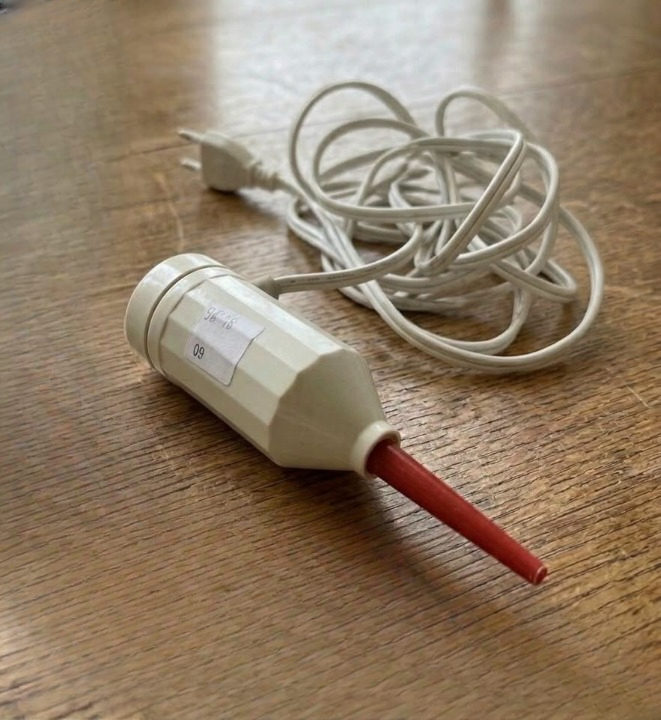
Have you ever opened an old drawer, cleaned out a forgotten closet, or unpacked a dusty storage box only to stop suddenly because of one small object?
It might be an old key with no known lock, a faded photograph tucked inside a book, a handwritten receipt from years ago, or a tiny trinket you don’t even remember keeping. At first glance, it’s just another item among many. Yet somehow, it captures your attention. You turn it over in your hands, wondering where it came from, who owned it, and why you never threw it away.
In many cases, the object itself isn’t remarkable. It has no obvious value and may not even serve a practical purpose anymore. Still, something about it feels impossible to ignore.
Why do ordinary objects sometimes carry extraordinary emotional weight?
The answer has less to do with the item itself and much more to do with how the human mind stores memories, emotions, and unanswered questions. Our brains naturally connect physical objects with experiences, relationships, and moments in time. Even when we forget specific details, the presence of a familiar object can quietly awaken emotions we didn’t realize were still there.
Psychologists often describe this as associative memory—the brain’s remarkable ability to connect sights, sounds, smells, and objects with past experiences. A simple keepsake may become a bridge to an entire chapter of life.
In this article, we’ll explore why everyday items can feel surprisingly meaningful, how memories become attached to physical possessions, why mystery often makes objects seem even more important, and how learning to understand these connections can help us appreciate our personal histories without becoming trapped by them.
Why Certain Objects Capture Our Attention
Every day, we encounter hundreds of ordinary items without giving them much thought.
Keys.
Pens.
Coins.
Buttons.
Old notebooks.
Pieces of jewelry.
Ticket stubs.
Receipts.
Most are quickly forgotten.
Yet every so often, one object seems to pause us.
Perhaps it reminds us of a loved one.
Maybe it belonged to someone we once knew.
Sometimes we cannot explain the feeling at all.
Our attention lingers because the brain constantly searches for meaning. When something appears familiar but incomplete, our curiosity naturally increases.
Instead of seeing only an object, we begin seeing possibilities.
Memory Isn’t Stored Like a Filing Cabinet
Many people imagine memories as neatly organized files waiting to be opened whenever needed.
Modern neuroscience suggests something more complex.
Memories are reconstructed each time we recall them.
That means emotions, present circumstances, and new experiences all influence how we interpret the past.
An old object doesn’t simply “contain” a memory.
Instead, it acts as a trigger that encourages the brain to rebuild part of an earlier experience.
This is why siblings can look at the same family photograph yet remember entirely different moments.
Each person’s mind fills in different details.
Why Mystery Makes Things Feel More Important
Interestingly, complete information often reduces curiosity.
Unanswered questions, however, tend to linger.
Imagine finding:
- An unlabeled key
- A sealed envelope
- A faded postcard without a signature
- A ring inside an old drawer
- A notebook missing its final pages
None of these objects tells a complete story.
Because the story feels unfinished, the imagination begins supplying possibilities.
Psychologists sometimes refer to this tendency as the brain’s desire for closure.
When information is missing, our minds naturally attempt to complete the puzzle.
The Stories We Quietly Invent
When facts are unavailable, imagination often fills the gaps.
Perhaps the key belonged to a first apartment.
Maybe the note was never delivered.
Could the ring have marked an engagement?
Was the photograph taken on someone’s happiest day?
Most of these imagined stories remain harmless.
In fact, storytelling is one of humanity’s oldest ways of understanding the world.
Our ancestors passed knowledge through stories long before written history existed.
Today, we continue using narratives to organize memories and make sense of our experiences.
Why Letting Go Can Be Surprisingly Difficult
Many people struggle to discard items they rarely use.
Sometimes this reflects practical thinking.
Other times it reflects emotional attachment.
An old sweater may remind someone of a parent.
A childhood toy may represent simpler days.
Concert tickets may symbolize an important friendship.
Even broken objects sometimes remain because they carry emotional meaning rather than practical value.
The emotional connection often outweighs the object’s usefulness.
Minimalism Doesn’t Mean Forgetting
Over the past decade, many people have embraced simpler lifestyles by reducing unnecessary possessions.
Minimalism encourages intentional ownership rather than accumulation.
However, simplifying doesn’t require eliminating meaningful keepsakes.
Instead, many people choose to keep a small collection of objects that genuinely represent important memories while letting go of items that no longer serve a purpose.
The goal isn’t owning less for its own sake.
It’s making room for what matters most.
Why Smells and Objects Work Together
Have you ever noticed how opening an old box sometimes brings back memories before you’ve even looked inside?
Scent is closely connected to memory because the brain regions responsible for smell communicate directly with areas involved in emotion and long-term recall.
When combined with familiar objects, even subtle scents can strengthen emotional recollection.
The smell of old paper.
Freshly cut wood.
Leather.
A favorite perfume.
Laundry detergent from childhood.
Together, these sensory experiences create powerful reminders of earlier times.
Objects Often Represent Relationships
Many keepsakes remain valuable not because of what they are but because of who they represent.
Examples include:
- A grandparent’s watch
- A handwritten recipe
- A childhood blanket
- A wedding invitation
- A postcard from a friend
- A favorite coffee mug
Replacing these items would never replace the memories connected to them.
Their emotional value cannot be measured by price alone.
The Difference Between Nostalgia and Living in the Past
Looking back isn’t automatically unhealthy.
Research suggests nostalgia can sometimes promote feelings of gratitude, belonging, and emotional connection.
Problems arise only when people become unable to enjoy the present because they remain focused exclusively on the past.
Healthy reflection allows memories to enrich today’s life rather than prevent future growth.
Objects can remind us where we’ve been without deciding where we’re going.
Organizing Meaningful Keepsakes
Many families eventually inherit boxes filled with letters, photographs, jewelry, and personal belongings.
Instead of storing everything indefinitely, consider organizing items intentionally.
You might:
- Label photographs.
- Preserve handwritten letters.
- Scan important documents digitally.
- Create a memory box.
- Write down the story behind treasured objects.
Future generations often appreciate the story as much as the item itself.
When Ordinary Things Become Family History
What seems insignificant today may become meaningful tomorrow.
An old cookbook may explain family traditions.
A notebook might reveal someone’s dreams.
A pocket watch may tell the story of several generations.
These everyday possessions quietly become historical records within families.
They connect people across decades without saying a single word.
Appreciating the Present While Honoring the Past
Every home contains ordinary objects.
Some eventually disappear.
Others quietly remain for decades.
Although we may never know the complete story behind every forgotten key, faded photograph, or handwritten note, these small reminders encourage reflection about the people, places, and experiences that shaped our lives.
Sometimes their greatest value isn’t solving a mystery.
It’s reminding us that every ordinary day eventually becomes someone’s memory.
Final Thoughts
Life is filled with objects that seem ordinary until one unexpected moment gives them extraordinary meaning. A simple item tucked away in a drawer can spark memories, inspire reflection, or remind us of relationships that helped shape who we are today.
While it’s natural to wonder about the stories behind these possessions, it’s equally important to recognize that their true significance often comes from the emotions they awaken rather than the mysteries they hold.
Whether it’s a faded letter, an old photograph, a forgotten key, or a well-worn keepsake, these quiet reminders connect us to moments that might otherwise fade with time. They teach us that memories don’t always arrive through dramatic events. Often, they return through the smallest details—objects we almost overlooked.
The next time you come across something unexpected while cleaning a drawer or organizing a shelf, take a moment before deciding whether to keep it or let it go. Ask yourself not only what the object is, but also what it represents. Sometimes, the greatest stories aren’t hidden inside the item itself—they live within the memories it quietly brings back.