The Plastic Bottle Car Trick: What Drivers Should Know About Unusual Vehicle Tampering
Finding something unusual attached to your car can be unsettling, especially when you don’t remember putting it there.
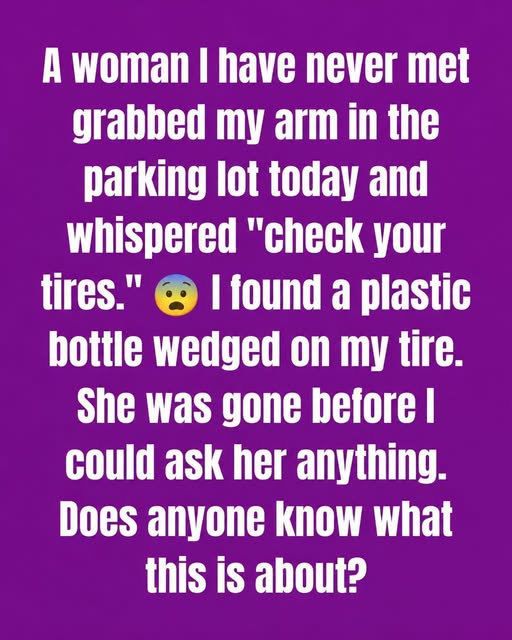
One example that has received attention online involves a plastic bottle placed near one of a vehicle’s wheels. Stories about this practice often describe it as a tactic used by criminals to interfere with drivers or create an opportunity to steal a vehicle.
While individual incidents can vary and online stories sometimes exaggerate how common a particular method is, the broader lesson is useful: drivers should pay attention to anything unusual around their vehicle before getting inside and driving away.
Modern vehicles have many security features, but basic awareness remains an important part of protecting yourself and your property.
What Is the Plastic Bottle Trick?
The story generally involves an empty plastic bottle being placed against or near one of the vehicle’s wheels, often on the passenger side.
The idea described in these stories is that the driver may not immediately notice the bottle when approaching the vehicle.
When the driver starts moving, the bottle can be crushed or make an unexpected noise.
This could potentially distract the driver and cause them to stop and investigate.
Online versions of the story sometimes go further and claim that criminals use this moment to take the vehicle or belongings.
However, it is important not to treat every online account as evidence that this is a widespread or standardized vehicle-theft method.
The practical safety lesson is simpler: if something looks unusual around your vehicle, investigate from a safe position before driving away.
Why an Unexpected Object Can Be Distracting
Drivers become accustomed to the normal sounds and movements of their vehicles.
A sudden crunching sound, scraping noise, or unfamiliar vibration can immediately attract attention.
Most drivers would naturally want to stop and determine what caused it.
That reaction is reasonable.
The important part is what happens next.
If you hear an unfamiliar sound shortly after getting into your vehicle, you don’t necessarily need to jump out immediately in an isolated or unfamiliar location.
Instead, consider your surroundings first.
If you’re in a safe, well-lit location, you can stop and inspect the vehicle.
If you’re somewhere that makes you uncomfortable, moving to a safer public location may be preferable before getting out.
Check Around Your Vehicle Before Driving
A quick walk-around can help identify obvious problems before you start the engine.
Look at:
- The tires and wheels
- The area directly in front of and behind the vehicle
- The space underneath the vehicle
- The door handles
- The windows
- The mirrors
- The windshield
- Anything attached to or placed around the vehicle
You don’t need to perform a complicated inspection every time you drive.
A few seconds of awareness can help you notice objects or damage that weren’t there when you parked.
This is especially useful when leaving a vehicle in an unfamiliar parking lot or public area.
Other Signs Worth Noticing
A plastic bottle isn’t the only unusual thing that could attract a driver’s attention.
Other objects or changes can also be worth investigating.
For example, you might notice:
- An unfamiliar object near a tire
- A damaged mirror
- A door that doesn’t appear fully closed
- A window that looks different from when you parked
- Something hanging beneath the vehicle
- Unusual marks around a lock or door handle
- A warning light that wasn’t previously displayed
- Unexpected damage to a tire
None of these signs automatically means that someone is attempting to steal your vehicle.
There can be completely ordinary explanations.
The point is simply to notice anything that appears different from normal.
Modern Vehicles Have Multiple Security Systems
Vehicle security has changed significantly over the years.
Older cars often relied primarily on mechanical locks and keys.
Modern vehicles may use electronic immobilizers, remote key systems, alarms, tracking services, cameras, and other technologies.
These systems can make unauthorized access more difficult, but they don’t eliminate every possible security risk.
Technology also continues to evolve.
As vehicles become more connected, owners need to understand not only physical security but also the importance of protecting digital access.
Keyless Entry and Vehicle Security
Many newer vehicles use keyless entry systems.
These systems provide convenience because the driver may not need to physically insert a key into the door or ignition.
However, owners should understand how their particular vehicle’s keyless system works.
Some manufacturers provide settings that allow owners to disable passive entry or reduce the risk of unauthorized electronic access.
If your vehicle has a key fob, check the owner’s manual for available security settings.
Some drivers also keep key fobs away from doors and windows as a general precaution.
The appropriate measures depend on the vehicle and its security system.
Don’t Ignore Unusual Damage
Sometimes the most important warning sign isn’t an object placed near the vehicle.
It is physical damage.
If you notice that a door lock, handle, mirror, window, or other component appears damaged, don’t automatically assume it happened accidentally.
At the same time, don’t assume that damage proves someone attempted to steal the vehicle.
Take a moment to assess the situation.
If you believe someone may have interfered with your vehicle, photograph the damage and contact the appropriate local authorities or your insurance provider as necessary.
Avoid touching or disturbing anything that may be relevant to an investigation.
What to Do If You Find Something Suspicious
If you notice an unfamiliar object near your car, your first priority should be your personal safety.
You don’t have to immediately confront anyone.
Look around and pay attention to your surroundings.
If another person is behaving suspiciously nearby, consider returning to a safe building or populated area instead of approaching them.
If you believe there is an immediate threat, contact local emergency services.
If there is no immediate danger but you believe your vehicle has been tampered with, you can document what you found and contact the appropriate authorities.
Your response should depend on the circumstances rather than on an assumption that every unusual object is part of a criminal scheme.
Avoid Confronting Strangers
One of the most important lessons in vehicle-security situations is to avoid unnecessary confrontation.
If you believe someone may be watching your vehicle or behaving suspiciously, there is rarely a good reason to approach them yourself.
Your vehicle can be replaced or repaired.
Your personal safety is more important.
Move to a safe location and seek assistance if necessary.
If you’re in a parking area with security personnel, a shopping center, workplace, hotel, or other staffed facility, you may also be able to notify someone responsible for the property.
Keep Valuables Out of Sight
Vehicle security isn’t limited to preventing theft of the vehicle itself.
Items visible through windows can attract unwanted attention.
Whenever practical, avoid leaving bags, electronics, wallets, cash, documents, or other valuable items where they can easily be seen.
If something must remain in the vehicle, storing it out of sight can reduce temptation.
Of course, no hiding place inside a vehicle should be considered completely secure.
For important belongings, taking them with you is generally preferable.
Park in Visible Locations
Where you park can also affect your overall security.
When possible, choose areas that are:
- Well lit
- Frequently used
- Visible from nearby buildings
- Covered by security cameras when available
- Close to entrances or staffed areas
No parking location can guarantee that a vehicle won’t be tampered with.
However, visibility can make it easier to notice unusual activity and may provide useful evidence if something does happen.
Check Your Vehicle After Leaving It Unattended
If you’ve left your vehicle parked for several hours, especially overnight or in an unfamiliar location, take a quick look around it before getting in.
This doesn’t need to become a lengthy routine.
Look at the wheels, windows, doors, and surrounding area.
If everything looks normal, continue as usual.
If something appears different, take a moment to understand what you’re seeing before driving away.
This simple habit can also help you notice ordinary problems such as a flat tire, damaged mirror, leaking fluid, or another mechanical issue.
Be Careful With Online Vehicle-Theft Stories
Stories about unusual theft techniques can spread quickly on social media.
Some may describe real incidents.
Others may be incomplete, exaggerated, or repeated without enough information to establish how common the method actually is.
That doesn’t mean drivers should ignore the underlying safety lesson.
Instead, separate the useful advice from the dramatic claims.
Being observant around your vehicle is sensible regardless of whether a particular viral trick is widespread.
You don’t need to believe every story to benefit from basic vehicle-security habits.
Technology Is Only One Part of Security
Modern security systems can be helpful, but technology works best alongside basic awareness.
A vehicle alarm may alert people to unauthorized access.
An immobilizer can make starting the vehicle more difficult for someone without the appropriate authorization.
A tracking system may help locate a vehicle in some circumstances.
Cameras can provide useful evidence.
But none of these systems replaces the driver’s judgment.
Checking your vehicle, securing your keys, parking thoughtfully, and avoiding unnecessary confrontations remain useful habits.
What If Your Vehicle Suddenly Makes a Strange Noise?
Unexpected sounds aren’t always related to security.
A plastic bottle, piece of debris, loose trim, a damaged tire, or another mechanical problem can all produce unusual sounds.
If you hear something unexpected after starting or moving your vehicle, find a safe place to stop and investigate when appropriate.
If the noise appears mechanical and you’re unsure whether the vehicle is safe to drive, consult a qualified mechanic or roadside assistance service.
Continuing to drive with an unknown problem can sometimes turn a minor issue into a larger one.
A Simple Vehicle-Safety Routine
You can incorporate several basic habits into your normal routine:
Before entering:
Take a quick look around the vehicle.
Before driving:
Check that the doors, windows, mirrors, and tires appear normal.
After starting:
Pay attention to unusual warning lights, sounds, or vibrations.
If something seems wrong:
Stop somewhere safe before investigating.
If you suspect tampering:
Document what you see and contact the appropriate authorities or service provider.
If someone appears suspicious:
Don’t confront them. Move to a safe location and seek assistance if necessary.
These steps take very little time but can help you respond more calmly when something unexpected happens.
The Bigger Lesson
The plastic-bottle story is interesting because it illustrates how quickly a simple idea can become a widely shared warning online.
Whether a particular version of the story accurately describes a common theft method or not, the underlying principle is worth remembering.
Drivers should pay attention to their surroundings and to the condition of their vehicles.
If you see an unfamiliar object near your car, don’t ignore it.
If something sounds different, investigate when it is safe to do so.
If your vehicle appears damaged or tampered with, document the situation and seek appropriate help.
And if another person is behaving suspiciously, prioritize distance and personal safety rather than confrontation.
Final Thoughts
Vehicle security has changed considerably over the years, and modern cars contain technology that can help protect them from unauthorized use.
But everyday awareness still matters.
A few seconds spent looking around your vehicle before driving can help you identify obvious problems, whether they’re related to security, mechanical issues, or simple debris.
The most useful response to stories about unusual vehicle-theft techniques isn’t panic.
It’s awareness.
Pay attention to your surroundings, protect your keys and valuables, use the security features available on your vehicle, and trust your judgment when something doesn’t look right.
A calm and observant driver is better prepared to deal with an unexpected situation than someone who ignores unusual signs or reacts without considering their surroundings.