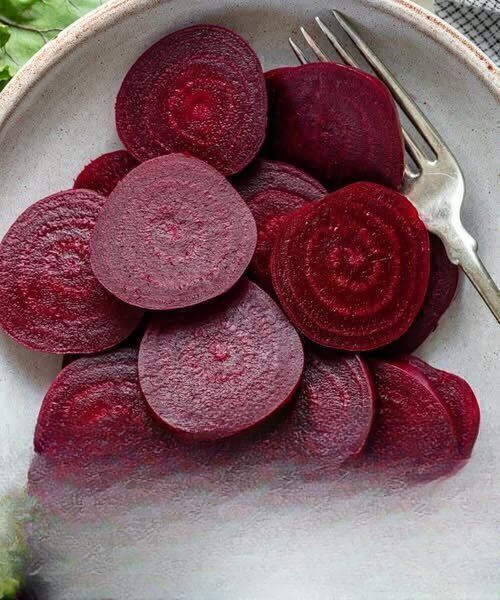
The Beetroot Upgrade: What Happens to Your Body When You Eat Beets Regularly?
The Humble Root Vegetable With Impressive Nutritional Benefits
Beetroot may not be the first vegetable that comes to mind when people think about healthy eating, but this colorful root has earned a place in many balanced diets. With its deep red-purple color, naturally sweet flavor, and impressive combination of nutrients, beetroot offers more than an attractive addition to a salad or dinner plate.
Sometimes called beets, these vegetables contain dietary fiber, folate, potassium, and naturally occurring plant compounds that researchers continue to study for their potential health benefits. Their most interesting feature may be their naturally occurring nitrates, which the body can convert into nitric oxide, a molecule involved in regulating blood vessel function and circulation.
That does not mean beetroot is a miracle food or that eating it daily will automatically transform your health. No single ingredient can replace a balanced diet, regular physical activity, sufficient sleep, or appropriate medical care. However, including beetroot in your usual meals can be a practical way to increase vegetable intake and obtain several valuable nutrients.
The benefits you experience will depend on your overall diet, health, activity level, and the amount and form of beetroot you consume. Whole beets, beetroot juice, and concentrated supplements also differ in their nutritional composition.
So, what might happen when you begin eating beetroot regularly? From digestive health to blood pressure, exercise performance, and the surprising color changes that sometimes follow a beet-rich meal, there is plenty to explore.
1. Your Heart and Blood Vessels May Benefit
One of the most widely studied aspects of beetroot is its potential relationship with cardiovascular health.
Beets contain inorganic nitrates, naturally occurring compounds that can be converted into nitrite and then nitric oxide in the body. Nitric oxide helps blood vessels relax and widen, a process known as vasodilation. This process supports normal blood flow and plays a role in regulating blood pressure.
Researchers have investigated whether consuming nitrate-rich beetroot juice can produce measurable changes in blood pressure. Some clinical studies and systematic reviews have reported reductions in systolic blood pressure, the pressure recorded when the heart contracts. However, the results are not identical across all studies, and the size of the effect varies.
A 2022 systematic review and meta-analysis involving adults with hypertension found that nitrate-rich beetroot juice was associated with a reduction in systolic blood pressure. A later review published in 2024 also reported a reduction in clinical systolic blood pressure, while finding no statistically significant effect on several other blood pressure measurements. The researchers noted that the overall certainty of evidence was limited. <Entity category=”other” value=”Systematic review of beetroot juice and hypertension” disambig=”2024 medical research review”/>.
What does this mean for someone who simply wants to eat more vegetables?
Beetroot may contribute to a heart-conscious eating pattern, particularly when it replaces foods that are high in sodium or heavily processed. Its naturally occurring nitrates are one reason scientists continue to investigate it.
Nevertheless, eating beets is not a substitute for prescribed blood pressure medication. Anyone managing hypertension should continue following their healthcare professional’s recommendations rather than changing treatment because of a dietary trend.
It is also important to recognize that blood pressure is influenced by many factors, including genetics, age, physical activity, sleep, stress, sodium intake, and overall dietary habits. Beetroot can be one part of a broader approach, not a stand-alone solution.
2. Your Body Receives Nutrients That Support Everyday Functions
Beetroot provides several nutrients that the body uses to maintain normal physiological processes.
One particularly important nutrient is folate, also known as vitamin B9. Folate is needed for DNA synthesis, cell division, and normal red blood cell formation. It is especially important during periods of rapid growth and during pregnancy, when nutritional requirements change.
Beetroot also supplies potassium, a mineral involved in fluid balance, nerve signaling, and muscle contraction. Potassium is important for normal heart and muscle function, although the amount obtained from a serving of beetroot is only one part of a person’s total daily intake.
Other nutrients found in beets include manganese, magnesium, and smaller amounts of vitamin C and iron. Their precise contribution depends on serving size and preparation method.
These nutrients do not work in isolation. Your body depends on a wide range of vitamins, minerals, protein, fats, carbohydrates, and other dietary components to function properly.
Eating beetroot alongside other vegetables, fruit, whole grains, legumes, nuts, and suitable protein sources can help create a more varied diet. The advantage is not that beets contain every nutrient your body needs, but that they contribute to a broader nutritional picture.
3. Your Digestive System May Benefit From the Fiber
Another reason to include whole beetroot in your meals is its dietary fiber.
Fiber is the part of plant foods that the body does not fully digest. It supports bowel regularity and can help make stools easier to pass when consumed as part of a diet containing sufficient fluids and other fiber-rich foods.
A cup of raw beetroot provides several grams of fiber, although the amount varies according to serving size and how the vegetable is prepared. Cooked beets also contribute fiber, making them a useful option for people who prefer a softer texture.
Fiber can also contribute to feelings of fullness after a meal. This may help some people manage their eating patterns without relying on restrictive diets or eliminating entire food groups.
However, increasing fiber intake suddenly can cause bloating, gas, or abdominal discomfort in some individuals. If your usual diet contains relatively little fiber, it may be more comfortable to introduce beetroot gradually and increase other fiber-rich foods over time.
Drinking enough water is also important, particularly when increasing fiber intake.
Whole beetroot is generally a better choice for obtaining fiber than clear or strained beet juice. Juicing removes much of the vegetable’s solid material, which means the resulting drink may contain substantially less fiber than the original root.
If your goal is to support regular digestion, try adding sliced beets to salads, combining roasted beets with whole grains, or mixing grated raw beetroot into a vegetable dish.
4. Your Workout Routine May Feel Different
Beetroot has attracted considerable interest among athletes and recreational exercisers because of its nitrate content.
During exercise, your muscles need oxygen and energy to keep working. Nitric oxide participates in processes related to blood vessel function and circulation, which has led researchers to investigate whether nitrate-rich foods can influence exercise efficiency.
Some studies have found that beetroot juice may improve exercise tolerance or reduce the amount of oxygen required for certain activities. Other studies have found smaller effects or no meaningful improvement.
The results can depend on the type of exercise, the individual’s fitness level, the nitrate content of the product, and the timing and amount consumed.
The National Institutes of Health Office of Dietary Supplements notes that research supports potential performance benefits from nitrate-rich sources such as beetroot juice in some recreational athletes, while questions remain about the best ways to use these products. <Entity category=”other” value=”NIH Office of Dietary Supplements: Exercise and Athletic Performance” disambig=”Evidence review of sports nutrition and supplements”/>.
For an ordinary person, this does not mean beetroot will suddenly make workouts easier or guarantee better endurance. A balanced meal containing vegetables, carbohydrates, protein, and sufficient fluids remains more important than any single ingredient.
If you enjoy exercising, beetroot can be included in your normal eating routine. Roasted beets alongside a grain bowl or a small serving of beetroot with lunch can provide nutrients without requiring a specialized supplement.
People considering concentrated beetroot products for athletic performance should remember that supplements vary in composition and quality. More is not necessarily better, and anyone with medical conditions or taking relevant medication may wish to discuss their use with a qualified healthcare professional.
5. You Get Plant Compounds That Contribute to a Varied Diet
The vivid color of red beetroot comes largely from natural pigments called betalains.
These compounds are of interest to researchers because laboratory and early-stage studies have explored their antioxidant and anti-inflammatory properties. Antioxidants participate in the body’s systems for managing oxidative stress, which occurs when the production of reactive molecules and the body’s defenses against them become imbalanced.
Beetroot also contains other plant compounds that contribute to its distinctive nutritional profile.
However, it is important to distinguish laboratory findings from proven outcomes in humans. A compound demonstrating antioxidant activity in a laboratory does not automatically mean that eating a particular food will prevent a disease or produce a specific health improvement.
Research into the long-term effects of beetroot and its pigments is ongoing. Current evidence does not justify claims that beets detoxify the body, cure inflammation, or protect against every chronic illness.
The practical lesson is straightforward: eating a variety of colorful vegetables is a useful way to obtain different plant compounds. Beetroot can be one of those vegetables, alongside leafy greens, carrots, tomatoes, peppers, cabbage, and other produce.
Variety is generally more valuable than depending on a single so-called superfood.
6. Your Diet May Become More Satisfying
Beetroot can add color, texture, and a naturally sweet flavor to meals without requiring large amounts of added sugar or fat.
Whole beets contain water and fiber, both of which can contribute to the volume of a meal. This may help make certain dishes more satisfying, especially when beetroot is combined with other nutrient-rich ingredients.
For example, a salad made with beetroot, leafy greens, chickpeas, and a source of protein can provide a range of nutrients and textures. Roasted beets can also be paired with whole grains and healthy fats to create a more substantial meal.
This does not mean beetroot directly causes weight loss. Changes in body weight depend on overall energy intake, activity, sleep, genetics, medication, and other factors.
However, adding vegetables to meals can make it easier to build eating habits that are varied and sustainable.
It is also worth remembering that beetroot juice is not nutritionally identical to whole beetroot. A juice can be easy to drink quickly and may contain less fiber than the intact vegetable. Depending on the quantity and preparation, it may also be easier to consume more total calories or natural sugars in liquid form.
If your aim is to make meals more filling, whole beetroot is a useful starting point.
7. Your Red Blood Cell Health Depends on More Than Beets
Because beetroot contains folate and some iron, it is sometimes promoted as a food that can improve blood health.
There is a useful nutritional point behind this claim, but it should not be exaggerated.
Folate is essential for normal cell division and red blood cell production. Iron is also necessary because the body uses it to make hemoglobin, the protein in red blood cells that carries oxygen.
However, beetroot is not an especially concentrated source of iron compared with many iron-rich foods. It should not be regarded as a treatment for iron-deficiency anemia.
If someone has persistent fatigue, weakness, dizziness, shortness of breath, or other symptoms that may be associated with anemia, a medical assessment is more appropriate than relying on a particular vegetable.
A healthcare professional can determine whether testing is needed and whether an iron or vitamin deficiency is present. Treatment depends on the cause, and taking iron unnecessarily can be harmful.
For everyday nutrition, beetroot can contribute folate and other nutrients as part of a varied diet. It is most useful when viewed as one component of a larger eating pattern rather than a replacement for appropriate medical care.
8. You May Notice a Surprising Change in Urine or Stool Color
One of the most unexpected effects of eating beetroot is that your urine or stool may appear pink, red, or reddish-purple afterward.
This phenomenon is commonly known as beeturia when it involves urine. It happens because some of the natural pigments in beetroot pass through the digestive system and are excreted.
The color change can be surprising, especially if you have never experienced it before. In many cases, it is harmless and temporary.
Not everyone experiences beeturia, and the likelihood and intensity of the color change can vary. It is not a reliable measure of how well your body is absorbing nutrients or how healthy you are.
Although beetroot is a common explanation for reddish urine or stool after a beet-rich meal, you should not automatically assume that every red discoloration comes from food.
If the color change occurs without a clear dietary explanation, persists, recurs unexpectedly, or is accompanied by pain or other concerning symptoms, seek medical advice. Blood in urine or stool can have causes that require assessment.
The key is to consider the context without ignoring symptoms that may need attention.
9. Your Brain and Cognitive Health Are Still Being Studied
The relationship between beetroot, circulation, and brain function has also attracted scientific interest.
The brain requires a continuous supply of oxygen and nutrients. Since dietary nitrate can influence nitric oxide production and blood vessel function, researchers have investigated whether beetroot consumption might affect cerebral blood flow or aspects of cognitive performance.
Some early studies have reported changes in measures related to blood flow, while others have examined memory, attention, or performance on cognitive tasks. Findings vary, and many studies have involved relatively small groups or short intervention periods.
It is therefore too early to claim that eating beetroot will reliably improve memory, prevent dementia, or protect against age-related cognitive decline.
Brain health is influenced by many factors, including cardiovascular health, sleep, physical activity, social engagement, and overall diet. Maintaining healthy blood pressure and eating a variety of nutrient-rich foods can support general well-being, but no single vegetable guarantees a particular cognitive outcome.
Beetroot can still be a worthwhile addition to meals because of its overall nutritional value. Its potential effects on cognition remain an area for further research rather than a proven reason to consume it as a treatment.
10. Your Gut Microbes May Respond to a More Plant-Rich Diet
Your digestive tract contains a large community of microorganisms, often called the gut microbiome. These organisms interact with components of the food you eat, including dietary fiber.
Fiber from plant foods can be used by certain gut microbes, producing substances that participate in normal digestive and metabolic processes.
Because beetroot contains fiber and other plant compounds, it can contribute to a diet that supports a diverse range of food sources for the gut microbiome.
However, the microbiome is influenced by the entire diet and many other factors. Scientists cannot currently promise that eating beetroot alone will produce a particular microbiome profile or prevent a specific digestive disorder.
A more practical approach is to consume a variety of plant foods regularly. Whole grains, legumes, fruits, vegetables, nuts, and seeds all provide different types of fiber and plant compounds.
If beetroot is a food you enjoy, including it alongside these other foods is a reasonable way to increase dietary variety.
People who have sensitive digestion may prefer smaller servings at first. As with many fiber-containing foods, individual tolerance varies.
11. Your Body Benefits More From a Consistent Eating Pattern Than a Short-Term Trend
The term “superfood” is widely used in food marketing, but it does not have a precise scientific definition. It can make an ordinary food sound as though it offers exceptional benefits that other foods cannot provide.
Beetroot is nutritious, but it is not necessary to eat it every day to have a healthy diet.
What matters most is the pattern of your food choices over time. Regularly eating vegetables, fruits, whole grains, legumes, and suitable protein sources provides a broad range of nutrients that no single ingredient can supply.
If you enjoy beetroot, eating it several times a week can be an easy way to increase vegetable intake. If you dislike its earthy flavor, other vegetables can provide different but equally useful nutrients.
Consistency does not mean eating the same food repeatedly. In fact, variety can make healthy eating more enjoyable and provide a wider range of dietary components.
Instead of treating beetroot as a quick health upgrade, think of it as one convenient option within a balanced routine.
12. What Is the Best Way to Eat Beetroot?
One of the advantages of beetroot is its versatility. You can prepare it in several ways depending on your taste, available time, and preferred meals.
Raw beetroot
Raw beetroot can be peeled and grated into salads or cut into thin slices. Its texture is firm and crunchy, and its flavor is often more pronounced than that of cooked beets.
Combining grated beetroot with carrots, leafy greens, citrus, or a simple dressing can create a colorful side dish.
Wash the vegetable thoroughly before preparation, and follow safe food-handling practices.
Roasted beetroot
Roasting brings out beetroot’s natural sweetness and creates a softer texture. Cut it into evenly sized pieces, add a modest amount of oil and seasonings if desired, and roast until tender.
Roasted beets pair well with grains, legumes, leafy greens, and many protein sources. They can also be served as a side dish with a main meal.
Boiled or steamed beetroot
Boiling and steaming are straightforward ways to prepare beets. Cooking time depends on their size, and the roots are generally ready when they can be pierced easily with a fork.
Some water-soluble nutrients may move into cooking water, so steaming or using the cooking liquid in a suitable dish can help limit waste.
Cooked beetroot can be added to soups, salads, or warm vegetable dishes.
Beetroot juice
Beetroot juice offers a convenient way to consume the vegetable, and many studies investigating nitrate-related effects have used juice rather than whole beets.
However, juice usually contains less fiber than whole beetroot. Concentrated products can also provide different amounts of nitrate depending on their formulation.
If you enjoy beet juice, consider it one option rather than a requirement for good health. It is not necessary to drink large quantities to maintain a balanced diet.
Beetroot in soups and mixed dishes
Beetroot can be used in soups, stews, grain bowls, dips, and homemade spreads. Mixing it with ingredients such as beans, yogurt, herbs, lemon, or whole grains can create a variety of flavors and textures.
The best preparation method is the one you enjoy enough to use consistently.
13. How Much Beetroot Should You Eat?
There is no single daily amount of beetroot that everyone needs to consume.
Your ideal serving depends on your appetite, overall diet, medical circumstances, and how well you tolerate the vegetable. A modest serving as part of a meal is a sensible place to begin for most people who can safely eat beets.
You do not need to follow a strict beetroot schedule or consume it at a particular time of day to obtain its general nutritional benefits.
If you are new to beetroot, try a small portion and see how you respond. You can gradually include it in different meals if you enjoy it.
People interested in beetroot juice for a specific purpose, such as exercise performance or blood pressure management, should understand that research studies have used different products, nitrate concentrations, serving sizes, and schedules. A quantity used in a study should not automatically be treated as a recommendation for everyone.
Most importantly, do not stop taking prescribed medication or replace a recommended treatment with beetroot juice.
14. Who Should Be Careful About Eating Beetroot?
Beetroot is a normal food that most people can include in a balanced diet. Nevertheless, there are circumstances in which extra care may be appropriate.
People with a history of certain kidney stones
Beetroot contains oxalates, naturally occurring compounds that can contribute to the formation of calcium oxalate stones in susceptible individuals.
This does not mean everyone needs to avoid beets. However, people who have experienced calcium oxalate kidney stones or have been advised to follow a low-oxalate diet should ask their healthcare professional whether beetroot portions need to be limited.
Dietary advice should reflect the person’s medical history and the type of kidney stone involved.
People taking blood pressure medication
Because nitrate-rich beetroot products may influence blood pressure, people who take blood pressure-lowering medication should use caution with large quantities of concentrated beetroot juice or supplements.
This is particularly important for anyone who already experiences low blood pressure, dizziness, or faintness.
Ordinary food portions may fit comfortably into many people’s diets, but concentrated products are different from a serving of vegetables. If you plan to use beetroot products specifically to influence blood pressure, discuss that plan with a healthcare professional.
People with sensitive digestion
Some people experience bloating, gas, or digestive discomfort when they increase their fiber intake. Starting with smaller portions may help them determine what they tolerate.
People who notice unusual symptoms
Red or pink urine after eating beetroot can be harmless, but unexplained discoloration should not automatically be attributed to food. If you have persistent symptoms, pain, or concerns about bleeding, seek medical advice.
The purpose of these precautions is not to discourage people from eating beetroot. It is to recognize that individual circumstances can influence what is appropriate.
15. A Simple Way to Add Beetroot to Your Weekly Meals
You do not need a complicated meal plan to enjoy beetroot. Small additions to familiar meals can make it easier to include the vegetable regularly.
For breakfast, you could pair a balanced meal with a small serving of grated beetroot in a savory salad, if that suits your preferences.
At lunch, roasted beetroot can be combined with leafy greens, chickpeas, whole grains, and a dressing made with olive oil and lemon.
For dinner, try serving cooked beets alongside vegetables and a protein source. They can also be added to soups or mixed dishes for extra color and flavor.
For a snack, a small serving of beetroot hummus or another beet-based spread can be paired with suitable vegetables or whole-grain crackers.
You do not need to eat beetroot at every meal. Rotating it with other vegetables helps keep your meals interesting and improves the variety of foods in your diet.
If you buy fresh beets, store them appropriately and remove damaged portions before preparation. Cooked beetroot should be refrigerated promptly and stored in a clean, covered container.
Final Thoughts: Is Beetroot Worth Eating Regularly?
Beetroot is a nutritious, versatile vegetable that can contribute fiber, folate, potassium, and naturally occurring plant compounds to your diet. Its nitrate content has made it especially interesting to researchers studying blood pressure, blood vessel function, and exercise performance.
Some evidence suggests that nitrate-rich beetroot juice may produce modest improvements in certain blood pressure measurements and exercise-related outcomes. However, findings vary, and more research is needed to establish the long-term effects and identify who is most likely to benefit.
Other potential benefits, including effects on brain health and inflammation, remain under investigation and should not be treated as established medical outcomes.
For most people, the simplest approach is to enjoy beetroot in a form they like, whether raw, roasted, boiled, or included in a mixed dish. Whole beets provide fiber, while juice may be convenient for people who prefer drinking their vegetables.
Be mindful of individual considerations, especially if you have a history of certain kidney stones, take blood pressure medication, or experience symptoms that need medical attention.
Ultimately, beetroot does not need to be a miracle food to deserve a place on your plate. Its value comes from the nutrients it contributes, the variety it adds to meals, and the way it can fit into a balanced eating pattern.
Rather than expecting one vegetable to transform your health overnight, focus on the habits that make a difference over time: eat a range of vegetables and fruits, choose fiber-rich foods regularly, stay physically active, get sufficient sleep, and follow appropriate medical advice.
Beetroot can be a delicious part of that routine—one colorful serving at a time.