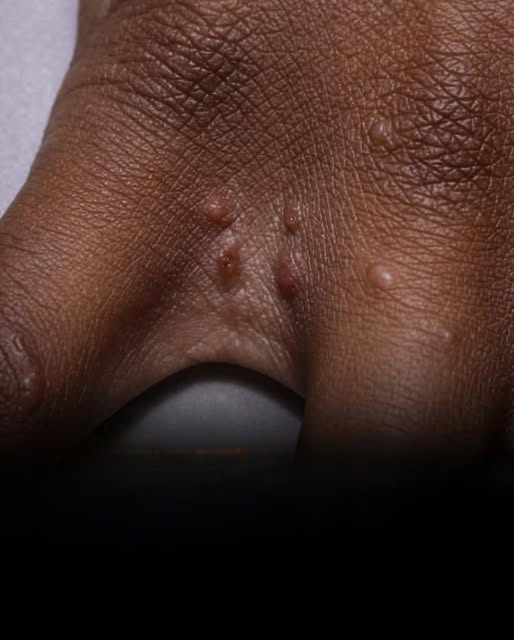
Noticing small red bumps on your skin can be unsettling, especially when they appear unexpectedly or seem to change over time. Although many common skin bumps are harmless, changes in the skin can sometimes be associated with irritation, allergies, infections, inflammation, or other conditions that may require professional evaluation.
The important thing is not to panic or assume the worst. A small red bump does not automatically indicate a serious health problem. Skin can react to many everyday factors, including friction, insect bites, shaving, sweat, cosmetics, soaps, detergents, weather changes, and minor irritation.
At the same time, it is wise to pay attention to noticeable or persistent changes rather than simply ignoring them.
Why Small Red Bumps Can Appear
The skin is the body’s largest organ and is constantly exposed to the environment. As a result, it can respond to a wide range of triggers.
Small red bumps may develop after irritation from clothing, shaving, personal-care products, or household products. They can also occur around hair follicles, particularly after sweating or hair removal.
In other situations, bumps may be associated with an allergic or sensitivity reaction. A new soap, lotion, detergent, cosmetic product, or fabric can sometimes trigger skin irritation.
Insect bites are another common possibility. Depending on the type of insect and the individual’s reaction, bites may appear as isolated bumps or several spots grouped together.
There are also many ordinary skin conditions that can cause small red or pink bumps. Their appearance can vary considerably from person to person.
Because so many different things can produce similar-looking changes, appearance alone usually isn’t enough to determine the exact cause.
Pay Attention to Changes
Rather than becoming alarmed by every small bump, it can be more useful to observe what happens over time.
Consider whether the area is:
- New or longstanding
- Increasing or decreasing in size
- Changing in color or appearance
- Itchy or uncomfortable
- Tender or painful
- Becoming swollen
- Producing fluid or developing a crust
- Appearing in one location or spreading to other areas
You may also want to think about what happened shortly before the bumps appeared.
Did you start using a new skincare product?
Did you change laundry detergent?
Have you recently shaved the area?
Have you spent more time outdoors?
Did the bumps appear after exercising or sweating?
These details can sometimes provide useful clues for a healthcare professional.
When a Skin Change Should Be Evaluated
Many minor skin problems improve on their own. However, persistent, recurring, spreading, or unusual skin changes are worth discussing with a qualified healthcare professional.
You should consider seeking medical advice if a new skin change does not improve, continues to develop, or is accompanied by other concerning symptoms.
Prompt medical attention is especially important if a skin reaction occurs together with symptoms such as significant swelling, difficulty breathing, faintness, or widespread symptoms following a possible allergic reaction.
A healthcare professional can examine the affected area and determine whether further evaluation is appropriate.
Avoid Automatically Assuming the Worst
One common mistake is searching for a frightening explanation immediately after noticing something unusual on the skin.
Online images and descriptions can be misleading because many different skin conditions can look remarkably similar.
A harmless irritation can sometimes resemble a more concerning condition in photographs, while an unusual-looking spot may turn out to have a simple explanation.
For that reason, online information should be used as general education rather than as a substitute for an examination.
If you are concerned about a particular skin change, a dermatologist or other qualified medical professional can provide a much more reliable assessment.
Keep Track of New Skin Changes
If you notice a bump that concerns you, taking a clear photograph can sometimes be useful for monitoring whether it changes.
Try to take the photograph in consistent lighting and from a similar distance.
You can also make a note of when you first noticed it and whether it changes in size, color, texture, or sensation.
This information can be helpful if you eventually decide to discuss the issue with a healthcare professional.
However, avoid repeatedly touching, scratching, squeezing, or picking at the area simply to check it.
Manipulating the skin can cause additional irritation and may make it harder to determine what the original issue looked like.
Everyday Skin Care Can Help
While the appropriate care depends on the cause, gentle skin care is generally preferable when an area is irritated.
Use mild cleansing products and avoid excessive scrubbing.
If a particular product appears to trigger irritation, consider stopping it until you can determine whether it is contributing to the problem.
Keeping the skin clean and avoiding unnecessary friction may also help prevent additional irritation.
However, avoid applying prescription treatments or strong medications based solely on an online description. Different skin conditions can require very different treatments, and using the wrong product may make certain problems worse.
Consider Recent Changes in Your Routine
Sometimes the simplest explanation can be found by looking at recent changes.
Think about anything new that came into contact with your skin.
This could include:
- A new body wash
- A different laundry detergent
- New clothing
- Cosmetics
- Shaving products
- Skin creams
- Fragrances
- Adhesive products
- Outdoor exposure
- Increased exercise or sweating
If the bumps appeared soon after a particular change, mentioning that information to a healthcare professional may help with the evaluation.
Skin Changes Are Not Always a Warning Sign
The phrase “warning signal” can sound alarming, but it’s important to put skin changes into perspective.
Most everyday skin bumps are not automatically evidence of a serious underlying problem.
The skin naturally develops temporary changes throughout life.
Minor irritation, blocked follicles, insect bites, sensitivity reactions, and other common causes can all produce bumps or redness.
The goal should therefore be awareness rather than fear.
Pay attention to your skin, but don’t assume that every unfamiliar mark represents a dangerous condition.
Know When to Seek Urgent Help
Certain symptoms should not be ignored.
If a sudden skin reaction is accompanied by difficulty breathing, swelling of the lips or tongue, severe dizziness, fainting, or other signs of a potentially serious allergic reaction, seek emergency medical assistance immediately.
Likewise, rapidly worsening symptoms, severe pain, extensive swelling, or a significant illness accompanying a skin eruption deserve prompt professional attention.
For less urgent concerns, arranging an appointment with a primary-care clinician or dermatologist can help determine what is happening.
Don’t Rely on Social Media Diagnoses
Social media posts often use dramatic language to attract attention.
A headline such as “Don’t ignore these bumps” may encourage people to click, but it does not mean that every red bump represents the same condition.
Health information should be presented carefully.
A responsible approach is to explain possible causes, acknowledge uncertainty, identify situations that deserve medical attention, and encourage professional evaluation when appropriate.
This is particularly important with skin concerns because appearance can vary significantly between individuals.
Your Skin Can Provide Useful Clues
Although a small red bump may be completely harmless, paying attention to changes in your skin is still a sensible part of general self-awareness.
Your skin can respond to environmental conditions, products, physical irritation, infections, inflammation, and numerous other factors.
Learning to recognize changes without immediately assuming a serious diagnosis can help you make better decisions about when to monitor a symptom and when to seek advice.
The key is balance.
Don’t ignore persistent or unusual changes, but don’t allow an alarming headline to convince you that a minor skin issue automatically means something is wrong internally.
A Better Way to Think About Small Red Bumps
Instead of asking, “What serious disease does this mean?”, a more useful approach is:
“What changed, how long has this been present, is it getting better or worse, and do I have any other symptoms?”
Those questions provide much more useful information.
If the bump is temporary and improves, it may simply have been a minor irritation or another common skin reaction.
If it persists, changes, spreads, or concerns you, professional evaluation can provide clarity.
Final Thoughts
Small red bumps on the skin can have many possible explanations, and their presence alone does not tell you what caused them.
Some may result from everyday irritation, while others can be associated with conditions that deserve medical attention. The most important factors are the bump’s appearance, duration, progression, accompanying symptoms, and your overall circumstances.
Rather than ignoring noticeable changes or assuming the worst, monitor them thoughtfully and seek professional advice when something seems unusual, persistent, or concerning.
Your skin deserves attention, but it doesn’t need to become a source of unnecessary fear. Stay observant, avoid self-diagnosing from alarming online headlines, and speak with a qualified healthcare professional when you’re unsure.
This article is for general educational purposes only and is not a diagnosis or a substitute for personalized medical advice. If you have a concerning or persistent skin change, consult an appropriately qualified healthcare professional.