Why Sleep Position Can Influence Comfort and Well-Being
A good night’s sleep is essential for overall health. While many people focus on choosing the right mattress, pillow, or bedtime routine, another factor that may influence sleep quality is body position.
Although there is no single sleeping position that is ideal for everyone, some research suggests that sleeping on the left side may offer certain benefits for specific individuals, particularly those who experience acid reflux or are looking for a more comfortable sleeping posture.
It’s important to remember that sleep position is only one part of healthy sleep habits, and individual comfort and medical conditions should always be considered.
Why Sleep Position Matters
Throughout the night, the body continues carrying out many important functions, including digestion, circulation, tissue repair, and hormone regulation.
The position you sleep in may influence:
- Breathing comfort
- Spinal alignment
- Pressure on joints
- Digestive comfort
- Sleep quality for some individuals
Finding a position that supports both comfort and healthy body alignment can contribute to more restful sleep.
Left-Side Sleeping and Acid Reflux
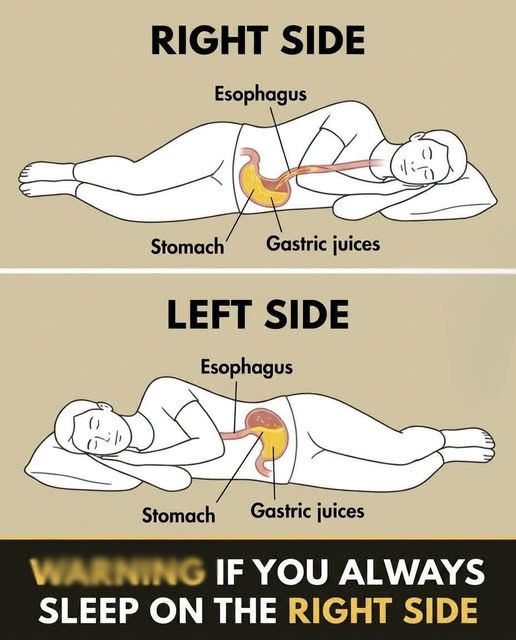
One of the most widely discussed benefits of sleeping on the left side relates to acid reflux, also known as gastroesophageal reflux disease (GERD) in people with persistent symptoms.
Some studies suggest that sleeping on the left side may reduce nighttime reflux episodes in certain individuals.
This may be related to the natural position of the stomach and esophagus, which can make it less likely for stomach contents to move upward while lying on the left side.
People who frequently experience heartburn at night may find this position more comfortable, although it should not replace medical advice or treatment when symptoms are ongoing.
Supporting Comfortable Digestion
Digestion continues for several hours after eating, even while you sleep.
Although sleep position alone does not determine digestive health, some individuals report feeling more comfortable when resting on their left side after an evening meal.
Maintaining healthy eating habits, avoiding very large meals before bedtime, and allowing time for digestion before lying down are also important practices that may improve nighttime comfort.
Circulation During Sleep
Sleeping on either side may help some people reduce pressure on certain parts of the body compared with lying flat on the back for extended periods.
Left-side sleeping is often recommended during pregnancy because it may support comfortable circulation by reducing pressure on major blood vessels.
Outside of pregnancy, the best sleeping position varies depending on personal comfort, medical history, and individual health needs.
Spinal Alignment and Pressure Relief
Many side sleepers find that proper pillow support helps maintain a neutral spinal position throughout the night.
Using a pillow that keeps the head aligned with the neck and placing a pillow between the knees may reduce pressure on the hips and lower back for some people.
These adjustments can improve comfort regardless of whether someone prefers sleeping on the left or right side.
Is Left-Side Sleeping Better for Everyone?
Not necessarily.
Every sleeping position has advantages and disadvantages depending on the individual.
Some people naturally sleep better on their back, while others prefer the right side or frequently change positions throughout the night.
Medical conditions such as shoulder pain, sleep apnea, pregnancy, chronic back pain, or digestive concerns may influence which position feels most comfortable.
The most suitable position is often the one that allows consistent, comfortable, and restorative sleep.
Healthy Sleep Habits Matter More
While sleeping position can make a difference for some people, overall sleep habits have a much greater impact on long-term health.
Good sleep hygiene includes:
- Following a consistent sleep schedule
- Creating a quiet and comfortable sleep environment
- Limiting caffeine later in the day
- Reducing screen exposure before bedtime
- Maintaining regular physical activity
- Managing stress through healthy relaxation techniques
These habits often contribute more to sleep quality than sleeping position alone.
Small Changes Can Improve Comfort
If you’re interested in trying left-side sleeping, consider making gradual adjustments.
Helpful strategies include:
- Using supportive pillows
- Sleeping on a comfortable mattress
- Placing a pillow behind your back to help maintain your position
- Avoiding heavy meals immediately before bedtime
These simple changes may make the transition easier if you’re accustomed to another sleeping position.
When to Talk to a Healthcare Professional
If you regularly experience interrupted sleep, loud snoring, breathing difficulties, persistent heartburn, or chronic pain that affects your sleep, it’s a good idea to consult a healthcare professional.
These symptoms may have underlying causes that require proper evaluation and treatment.
Changing sleep position may improve comfort for some people, but it should not replace professional medical care when symptoms persist.
Final Thoughts
Sleeping on your left side may offer benefits for certain individuals, particularly those who experience occasional nighttime acid reflux or simply find the position more comfortable.
However, there is no single sleeping position that guarantees better health for everyone. Quality sleep depends on many factors, including a consistent routine, a supportive sleep environment, and attention to overall wellness.
Rather than focusing on one position as a cure-all, consider it one of several lifestyle choices that can contribute to more restful and comfortable sleep.
Small adjustments made consistently often provide the greatest long-term benefits for overall well-being.