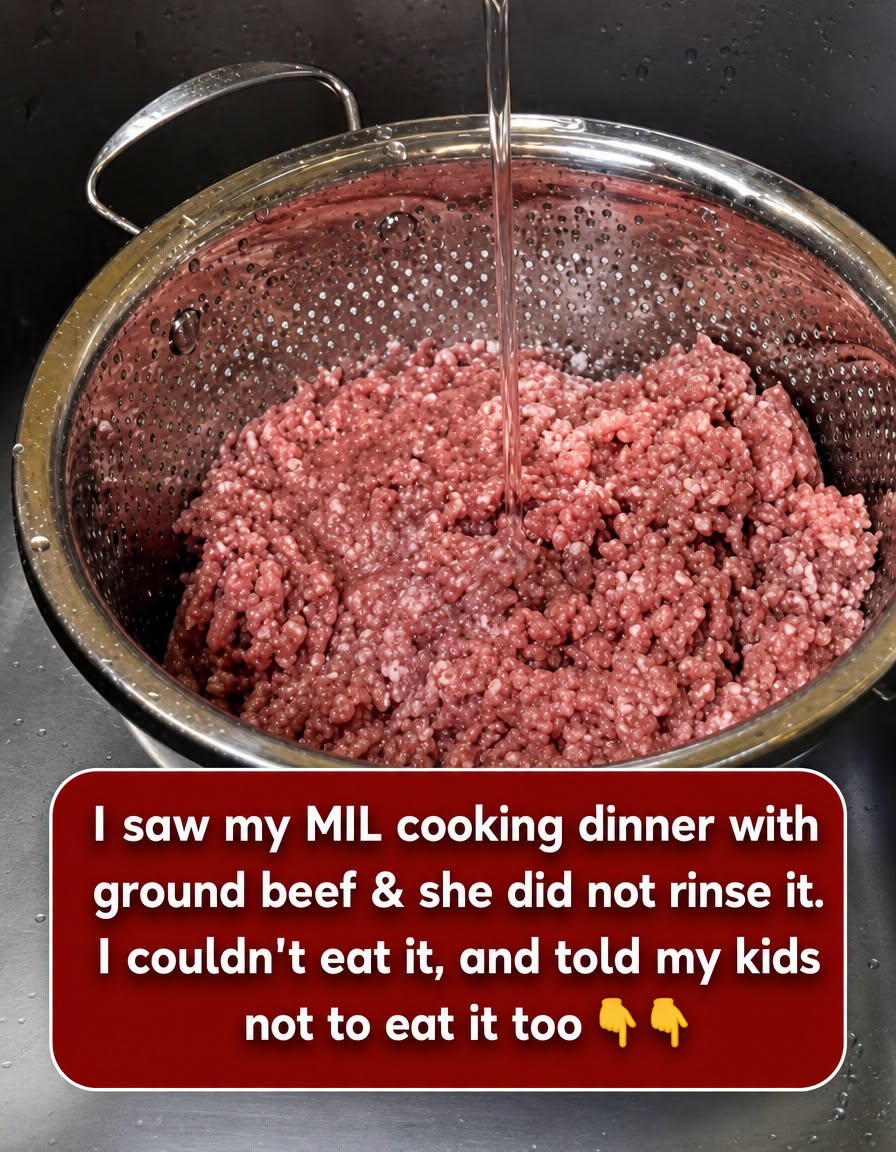
Should You Rinse Ground Beef After Cooking? What Home Cooks Should Know
Ground beef is one of the most useful ingredients you can keep in the kitchen.
It can become tacos, burgers, meatballs, chili, pasta sauce, stuffed peppers, casseroles, shepherd’s pie, meatloaf, and countless quick dinners. It cooks relatively quickly, works with a wide range of seasonings, and can be combined with vegetables, grains, beans, pasta, and sauces.
But there is one question that comes up regularly when cooking it:
Should you rinse ground beef after cooking?
The short answer is that rinsing cooked ground beef is generally not necessary.
If you want to reduce the amount of fat in a dish, draining the cooked beef is usually the more practical approach. Rinsing it under water can remove some fat, but it can also wash away flavor, make the meat less appealing in texture, and create an unnecessary cleanup problem.
There are also important food-safety considerations when handling raw and cooked ground beef.
So rather than treating rinsing as a standard cooking step, it helps to understand what happens to ground beef during cooking, how to drain it properly, and when reducing fat actually makes sense.
Why Ground Beef Releases Fat
Ground beef contains varying amounts of fat depending on the cut and the lean-to-fat ratio listed on the package.
You may see products labeled with ratios such as:
- 70% lean / 30% fat
- 80% lean / 20% fat
- 85% lean / 15% fat
- 90% lean / 10% fat
- 93% lean / 7% fat
The exact amount of fat released during cooking depends on the product, cooking temperature, pan size, and other factors.
When the meat heats up, some of the fat melts.
That’s why you may see liquid collecting in the bottom of the pan.
Some recipes benefit from that fat.
It can help brown the meat and carry the flavor of spices and other ingredients.
Other recipes may become too greasy if a lot of fat remains.
That’s where draining comes in.
Draining Is Different From Rinsing
This distinction is important.
When you drain ground beef, you remove the excess liquid and melted fat from the pan.
The cooked meat remains intact.
When you rinse it, you’re taking the cooked meat and exposing it to water.
That can remove some of the surface fat, but it can also remove juices, seasoning, and some of the browned material that contributes to the overall flavor.
For most everyday recipes, draining gives you the benefit you’re looking for without requiring an additional rinsing step.
Why Some People Rinse Ground Beef
Rinsing cooked ground beef isn’t a new idea.
Some cooks have used the technique for years, especially when working with higher-fat ground beef.
The reasoning is straightforward.
If the meat releases a lot of fat, running hot water over it can remove some of that remaining fat.
This practice has also been associated with older cooking advice focused heavily on reducing dietary fat.
However, whether you actually need to do this depends on the recipe and your personal cooking preferences.
If your goal is simply to remove excess grease, you can usually accomplish that by draining the pan.
What Happens to the Flavor?
One of the biggest drawbacks of rinsing is flavor.
Ground beef develops flavor as it cooks, particularly when the surface browns.
That browning creates compounds that contribute to the savory character of cooked meat.
If you rinse the beef afterward, some of the flavorful material on the surface can be washed away.
This may not matter much in every dish.
For example, if the beef is going into a heavily seasoned chili, there are many other ingredients contributing flavor.
But in a simple dish where the beef itself is the main ingredient, the difference may be more noticeable.
What About Texture?
Texture can also change.
Cooked ground beef naturally has a particular texture created by the meat, fat, browning, and cooking method.
Rinsing it can make the meat wetter.
If you drain it thoroughly afterward, the difference may be less noticeable, but the meat can still lose some of the browned exterior that gives it a more satisfying texture.
This is especially relevant when making dishes such as tacos, burgers, or seasoned beef bowls where the texture of the meat is important.
When Draining Makes Sense
There are plenty of situations where draining ground beef is useful.
If you cook a higher-fat product and notice a large amount of grease in the pan, draining can prevent the finished dish from becoming excessively oily.
This is particularly useful for:
- Tacos
- Chili
- Pasta sauce
- Casseroles
- Stuffed peppers
- Sloppy joes
- Ground beef soups
- Rice bowls
- Meat sauces
Whether you drain all of the fat or leave some behind depends on the recipe.
Some dishes benefit from retaining a small amount because it contributes flavor and helps distribute seasonings.
How to Drain Ground Beef Safely
If you decide to drain your ground beef, be careful with the hot fat.
Don’t pour a large amount of hot grease directly into the sink.
As it cools, grease can solidify and contribute to plumbing problems.
Instead, allow the fat to cool somewhat and place it into an appropriate heat-resistant container.
For small amounts, some cooks use a disposable container or another suitable vessel.
Once the fat has cooled and solidified, it can generally be disposed of according to local waste guidelines.
The exact disposal options vary by location.
Don’t Pour Grease Down the Sink
This is one of the most useful kitchen habits to remember.
Hot cooking grease may be liquid when it leaves the pan, but it doesn’t necessarily remain liquid after it travels through your plumbing.
As grease cools, it can stick to the inside of pipes.
Over time, accumulated grease can contribute to blockages.
Even if the drain appears to work normally immediately afterward, repeatedly putting grease down the sink is not a good household habit.
It’s much better to collect the grease and dispose of it appropriately.
Should You Drain Before Adding Seasonings?
That depends on the recipe.
A common method is to brown the beef first, then drain excess grease before adding ingredients such as onions, garlic, spices, tomatoes, beans, or sauce.
This works well for many dishes.
However, if you’re sautéing onions or other vegetables with the beef, the cooking fat can help them brown.
You might therefore want to remove only some of the excess fat rather than all of it.
Cooking isn’t always about eliminating fat.
It’s about controlling it.
Choosing Leaner Ground Beef
If you regularly find yourself dealing with too much grease, another option is to start with leaner ground beef.
For example, a package labeled 90% lean and 10% fat will generally produce less rendered fat than one labeled 70% lean and 30% fat.
That doesn’t automatically make one product appropriate for every recipe.
Higher-fat ground beef can be useful for dishes where moisture and richness are desirable.
Leaner beef may work better when you want a lighter result or when the recipe already contains a rich sauce.
Choosing the right ratio can therefore reduce the need for additional fat removal.
Does Rinsing Make Ground Beef Healthier?
This is where it’s important to avoid oversimplifying the issue.
Rinsing can remove some fat, but it shouldn’t be viewed as a magic step that automatically makes a meal healthy.
Overall nutrition depends on the entire meal.
Consider what you’re serving with the beef.
A dish made with vegetables, beans, whole grains, and a moderate amount of lean protein is very different nutritionally from one dominated by processed ingredients, cheese, refined carbohydrates, and large portions.
If you’re trying to reduce saturated fat or overall dietary fat, choosing a leaner ground beef product and controlling portion sizes can be more straightforward strategies than relying on rinsing.
Individual nutritional needs also vary.
Food Safety Comes First
Regardless of whether you drain or rinse ground beef, proper cooking and handling are much more important from a food-safety perspective.
Raw ground beef can contain harmful bacteria.
Grinding meat increases the amount of surface area exposed during processing, which is one reason ground meat needs to be handled and cooked carefully.
Keep raw ground beef refrigerated until you’re ready to use it.
Wash your hands after handling it.
Keep raw meat separate from foods that will be eaten without further cooking.
Use clean utensils and cutting boards.
Most importantly, cook ground beef to a safe internal temperature rather than relying only on its color.
Don’t Judge Doneness by Color Alone
Ground beef can change color as it cooks, but color isn’t always a reliable indicator of whether it has reached a safe temperature.
A food thermometer is a much better tool.
For ground beef, the U.S. Department of Agriculture recommends cooking it to an internal temperature of 160°F (71°C).
Insert the thermometer into the thickest part of the food and follow the thermometer manufacturer’s instructions for proper use.
This is much more dependable than simply looking at whether the meat appears brown.
What About Washing Raw Ground Beef?
This is an entirely different issue.
Washing or rinsing raw ground beef is generally not recommended.
Water doesn’t make raw meat safe.
Instead, splashing water can spread bacteria to sinks, countertops, utensils, and nearby foods.
Cooking the meat properly is the step that reduces the risk from harmful bacteria.
So if you’re wondering whether to rinse ground beef before cooking, the better practice is generally to skip the rinse and focus on proper cooking and kitchen hygiene.
What If the Cooked Beef Is Extremely Greasy?
Suppose you’ve already cooked your ground beef and there is a substantial amount of grease in the pan.
You have several options.
The simplest is to drain the excess fat.
You can also transfer the cooked beef to a clean pan using a slotted spoon, leaving much of the grease behind.
Another approach is to use leaner beef next time.
If the recipe contains sauce, you may be able to adjust the amount of added fat elsewhere.
Rinsing is one possible way to remove additional fat, but it isn’t usually the first method most cooks need.
What About Taco Meat?
Taco meat is a good example of why rinsing may not be desirable.
After browning ground beef, many recipes call for seasoning it with chili powder, cumin, garlic, onion, paprika, salt, pepper, and other ingredients.
The fat and browned bits left from cooking can help the seasoning coat the meat.
If you rinse the beef, you may remove some of that flavor.
Draining the excess grease before adding the seasoning mixture is generally enough.
You can then add a small amount of water or broth to help the seasoning distribute evenly.
What About Spaghetti Sauce?
Ground beef used for pasta sauce can be handled similarly.
Brown the meat.
Drain excess grease if necessary.
Then add onions, garlic, tomatoes, herbs, and other ingredients.
If you leave a small amount of cooking fat in the pan, it can contribute to the overall flavor.
The amount you retain is a matter of preference and recipe requirements.
There’s usually little reason to rinse the meat.
What About Chili?
Chili can tolerate a little more variation.
Because it often contains tomatoes, beans, spices, onions, peppers, and other ingredients, the beef is only one component of the final dish.
If your ground beef produces a large amount of grease, drain it before adding the rest of the ingredients.
If only a small amount remains, you may decide to leave it.
Again, rinsing isn’t normally necessary.
The Paper-Towel Method
Some cooks use paper towels to absorb excess grease from the pan.
This can work for a small amount of fat, but be cautious around hot surfaces.
Don’t place paper towels directly onto extremely hot grease or a hot burner.
If you use this approach, remove the pan from direct heat and handle the towels carefully.
For larger amounts of grease, draining into a suitable container is generally more practical.
A Better Approach: Control the Fat From the Beginning
Instead of cooking very fatty ground beef and then trying to remove a large amount of grease afterward, you can control the result from the start.
Choose a leaner product when appropriate.
Use a pan large enough to allow the meat to brown rather than steam.
Avoid adding unnecessary oil if the beef already contains sufficient fat.
Drain only as much as the recipe requires.
This gives you more control over the final texture and flavor.
Why Browning Matters
One reason cooks may hesitate to rinse ground beef is because browning is important.
When meat develops a browned surface, it gains a deeper savory flavor.
Crowding the pan with too much meat can cause moisture to accumulate and interfere with browning.
Using a suitable pan and cooking the meat in batches when necessary can improve the result.
Once the beef is browned, you can decide how much fat to retain.
This approach separates two different goals:
Browning for flavor.
Draining for fat control.
There’s no need to use rinsing as the solution to both.
What Should You Do With the Fat?
If you drain the beef, don’t automatically throw the hot fat into the trash or sink.
Allow it to cool enough to handle safely.
Then transfer it to a container that can tolerate the remaining heat.
Once completely cooled, follow local waste-disposal recommendations.
Some municipalities have specific guidance for cooking oil and grease.
For larger quantities of cooking oil, recycling or collection programs may be available depending on where you live.
Can You Save Beef Fat?
Some cooks choose to save rendered beef fat for later use.
When handled and stored properly, rendered fat can be useful for cooking.
However, food safety matters.
Don’t keep meat drippings at room temperature for extended periods.
If you intend to save rendered fat, use a clean container and refrigerate or otherwise store it according to appropriate food-safety practices.
If you’re unsure how to handle it safely, disposal is simpler.
What If You Already Rinsed the Beef?
If you’ve been rinsing cooked ground beef for years, there’s no need to panic.
It doesn’t mean you’ve ruined every meal you’ve made.
You may simply notice that the meat has a slightly different texture or flavor.
The bigger concern is making sure the meat was cooked safely and handled properly.
Going forward, try draining instead.
You may find that the finished dish tastes better while still having less excess grease.
The Best Method Depends on the Recipe
There isn’t one universal rule for every ground-beef dish.
A burger patty is different from taco meat.
Taco meat is different from chili.
Chili is different from meat sauce.
Meatloaf is different from a casserole.
Each recipe has its own balance of fat, moisture, seasoning, and texture.
That’s why the best approach is to think about the final dish.
Ask yourself:
Does this recipe need the fat for flavor?
Is there enough grease that the dish will become unpleasantly oily?
Would draining improve the texture?
Will the beef be combined with a rich sauce?
These questions are more useful than automatically rinsing every batch.
A Simple Ground Beef Cooking Routine
For many everyday meals, a straightforward routine works well.
Start by heating a suitable skillet.
Add the ground beef.
Break it apart with a spatula.
Allow it to cook thoroughly while stirring and turning as needed.
Check the internal temperature with a food thermometer.
Once the beef reaches a safe temperature, assess the amount of fat in the pan.
If there is a lot, drain the excess carefully.
Then continue with the recipe.
Add your seasonings, vegetables, sauce, beans, or other ingredients.
This process is simple and avoids an unnecessary rinsing step.
Final Thoughts
So, should you rinse ground beef after cooking?
For most home-cooked meals, you don’t need to.
If your goal is to reduce excess grease, draining the cooked beef is usually the simpler approach.
Rinsing may remove some fat, but it can also wash away flavorful browned material, alter the texture, and add an unnecessary step to the cooking process.
Instead, consider choosing a ground beef ratio that fits your recipe, cooking the meat properly, draining excess fat when necessary, and handling the rendered grease safely.
Most importantly, remember that food safety comes before fat reduction.
Keep raw meat separate from ready-to-eat foods, avoid rinsing raw ground beef, wash your hands and utensils after handling it, and use a food thermometer to make sure the meat reaches a safe internal temperature.
Ground beef is an incredibly versatile ingredient, and a few simple cooking habits can make it easier to prepare while preserving the flavor and texture you want.
In many cases, the best answer isn’t to rinse the meat.
It’s simply to cook it properly, drain what you don’t need, and let the recipe do the rest.