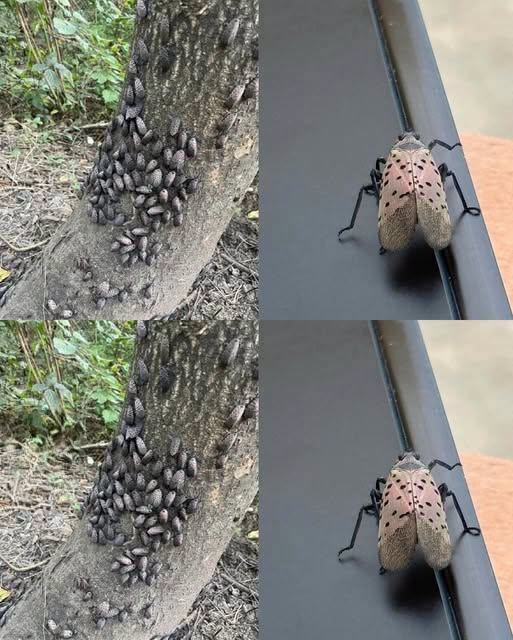
Finding several unfamiliar insects in your backyard can be surprising, especially when a dramatic warning online suggests that seeing even one means you should immediately get rid of them. However, not every insect that appears around your home is dangerous or requires removal.
Before taking action, it is much more useful to identify what you are actually seeing, understand its behavior, and determine whether it poses a genuine concern for people, pets, plants, or the surrounding environment.
Many insects are simply passing through your yard. Others may be attracted by flowers, standing water, outdoor lighting, food sources, or vegetation. Some can even play valuable roles in pollination, decomposition, or natural pest control.
That is why identification should come before intervention.
Why Insects Suddenly Appear in Your Yard
Outdoor insect activity can change dramatically depending on the season and weather.
Warm temperatures can increase insect activity, while rainfall may encourage certain species to become more visible. Changes in landscaping, new plants, piles of leaves, compost, standing water, or outdoor lighting can also attract insects.
You may notice more insects after mowing the lawn, watering plants, cleaning up garden areas, or spending more time outdoors.
Seeing several insects at once does not necessarily mean there is an infestation.
In many cases, they are responding to environmental conditions that happen to be favorable at that particular moment.
Don’t Panic When You See an Unfamiliar Insect
A common mistake is to assume that an unfamiliar insect must be harmful.
There are thousands of insect species, and many look similar even though they have completely different behaviors and effects.
One species might feed on plants, another might feed on smaller insects, and another might simply be looking for shelter.
Some insects that appear intimidating are harmless to people.
Others can be beneficial because they naturally reduce populations of insects that damage gardens.
For this reason, immediately destroying every unfamiliar insect may not be the best approach.
Identification Is the First Step
Before deciding what to do, try to identify the insect.
Pay attention to its:
- Size
- Color
- Body shape
- Number of legs
- Wing structure
- Antennae
- Distinctive markings
- Location
- Behavior
A clear photograph can also be useful.
If you are unsure, consider contacting a local university extension service, pest-management professional, or another reliable identification resource.
Avoid relying solely on dramatic social media posts that provide no species name or credible source.
Some Insects Are Helpful
Not every insect in your yard is a pest.
Bees and other pollinating insects can contribute to plant reproduction.
Lady beetles and certain predatory insects can feed on other insects that damage plants.
Some insects help break down organic material and contribute to the natural recycling of nutrients.
Even insects that people rarely notice can play roles within local ecosystems.
A healthy garden typically contains a variety of organisms.
The goal isn’t necessarily to eliminate every insect.
Instead, the goal is to understand which insects are beneficial, which may cause problems, and which should simply be left alone.
When Insects May Become a Problem
There are situations where insect activity deserves closer attention.
You may want to investigate further if you notice:
- Large numbers of insects appearing repeatedly
- Significant plant damage
- Insects entering your home
- Nests or colonies near frequently used areas
- Damage to wood or structures
- Repeated bites or stings
- An unusual infestation that continues to grow
These signs don’t automatically indicate a dangerous situation.
They simply suggest that identifying the species and understanding its behavior may be worthwhile.
Be Careful Around Stinging or Biting Insects
Some insects can sting or bite when they feel threatened.
If you encounter an insect that appears defensive or is gathered around a nest, avoid disturbing it.
Don’t attempt to handle an unfamiliar insect with your bare hands.
Keep children and pets away from areas where insects appear concentrated.
If a nest is located near an entrance, play area, walkway, or another frequently used location, consider asking a qualified pest professional for advice rather than attempting removal yourself.
Avoid Using Chemicals Without Knowing What You’re Treating
Another common reaction to seeing insects is immediately reaching for an insecticide.
That may not always be necessary.
Using a chemical product without identifying the pest can result in unnecessary exposure and may harm beneficial insects.
Some products can also affect plants, pets, wildlife, or other organisms if they are used incorrectly.
Always read and follow the product label and applicable safety instructions.
When identification is uncertain, a professional assessment may be a better first step.
Look for What May Be Attracting Them
If insects suddenly become common around your property, consider what might be attracting them.
Potential factors include:
Standing water: Some insects are attracted to areas where water collects.
Outdoor lighting: Certain insects are drawn toward lights at night.
Flowering plants: Pollinators may gather around flowers because they are searching for nectar and pollen.
Food waste: Open garbage or food scraps can attract various insects.
Overripe fruit: Fallen fruit can become an attractive food source.
Dense vegetation: Tall grass, leaf piles, and thick plant growth can provide shelter.
Moist areas: Some insects prefer damp environments.
Addressing an attractant may sometimes reduce insect activity without requiring widespread chemical treatment.
Keep Your Outdoor Areas Well Maintained
Basic property maintenance can reduce opportunities for unwanted pests.
Keep garbage containers properly closed.
Remove standing water where practical.
Clean up fallen fruit and food waste.
Trim vegetation when necessary.
Repair damaged screens and seal obvious openings around buildings.
Store outdoor materials appropriately.
These measures don’t eliminate all insects, nor should they. Instead, they can help reduce conditions that encourage certain unwanted species to gather close to your home.
Don’t Trust Every Viral Warning
Online warnings can spread rapidly.
A post may claim that a particular insect is extremely dangerous or that seeing one requires immediate action.
Such claims should be approached carefully.
Before sharing or acting on a warning, look for the actual insect species being discussed and verify the information through reliable sources.
A photograph without a confirmed identification can be particularly misleading.
Two insects may look similar while having completely different levels of risk.
Responsible information should explain the species, potential concerns, appropriate precautions, and reliable methods of identification.
What If You Can’t Identify It?
That’s okay.
You don’t need to know the name of every insect in your backyard.
If you find something unfamiliar, observe it from a safe distance.
Take a photograph if you can do so safely.
Record where you found it and whether you noticed any unusual behavior.
If the insects are numerous, causing property damage, or appearing near areas where people or pets regularly spend time, contact an appropriate local professional for assistance.
Avoid touching or collecting unfamiliar insects unless you know it is safe to do so.
What If Someone Is Stung or Bitten?
If someone experiences a bite or sting, monitor the situation carefully.
Minor local reactions can occur, but symptoms vary from person to person.
A person who develops serious symptoms such as difficulty breathing, severe swelling, faintness, or other signs of a potentially serious allergic reaction should receive urgent medical attention.
If the reaction seems unusual or severe, don’t rely on an online insect identification article for treatment advice.
A healthcare professional can provide appropriate guidance based on the person’s symptoms.
Protect Children and Pets
Children may naturally be curious about unusual insects.
Teach them not to touch insects they don’t recognize.
Pets may also investigate insects, nests, or garden areas.
If you notice concentrated insect activity, keeping children and pets away from the area until you understand what you’re dealing with is a sensible precaution.
This doesn’t mean that every insect is dangerous.
It simply reduces unnecessary contact while you identify the situation.
Your Backyard Is a Small Ecosystem
A backyard isn’t just grass, flowers, and trees.
It is a small ecosystem containing insects, birds, plants, microorganisms, and other organisms.
Some relationships may be obvious, while others are more difficult to see.
Removing every insect would disrupt that ecosystem and may not even solve a pest problem.
A better approach is targeted management.
Identify the species.
Understand its role.
Determine whether it is actually causing harm.
Then choose an appropriate response.
Final Thoughts
Seeing several unfamiliar insects in your backyard can certainly get your attention, but there is no need to assume that every unusual insect represents an immediate threat.
Instead of reacting to alarming headlines, take a moment to observe and identify what you have found.
Some insects may be harmless visitors.
Some may be beneficial to your garden.
Others may occasionally require management, particularly if they are damaging plants, entering your home, building nests near high-traffic areas, or creating a safety concern.
The most responsible approach is identification before intervention.
Keep your outdoor spaces reasonably clean, reduce unnecessary attractants, avoid disturbing unfamiliar nests, and seek professional assistance when you’re uncertain about a potentially problematic species.
Most importantly, don’t let sensational warnings turn an ordinary backyard discovery into unnecessary panic.
The next time you notice an unusual insect, don’t immediately assume the worst. Learn what it is, understand its behavior, and then decide whether any action is actually necessary.
This article is intended for general informational purposes. Insect species and local pest-management recommendations vary by location. If you encounter an unfamiliar insect or nest that may pose a safety concern, consult a qualified local pest professional or appropriate public-health/extension resource.