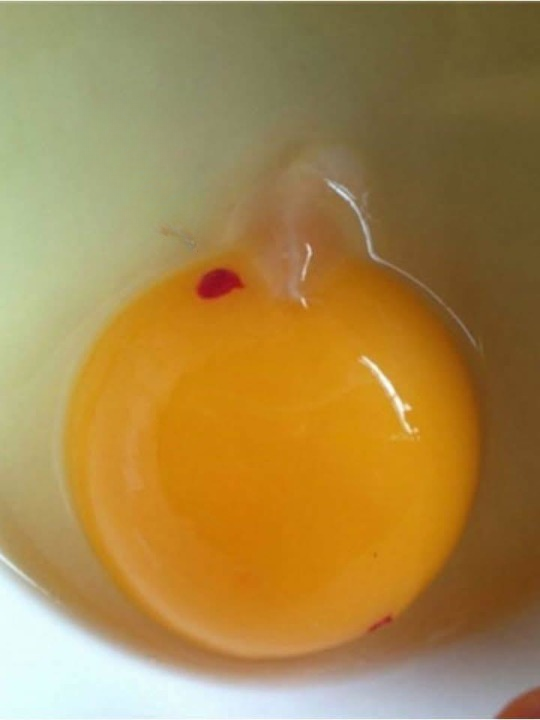
Cracking an egg into a frying pan or mixing bowl is usually an uneventful part of preparing breakfast. Occasionally, however, you may notice a small red or reddish-brown spot floating near the yolk or resting within the egg white. Because this is not something people see every day, the discovery can be surprising and may immediately raise questions about freshness, quality, and food safety.
The reassuring answer is that a small red spot inside an egg is usually a natural occurrence rather than a sign that the egg is spoiled. These marks are commonly known as blood spots. Although their appearance may be unpleasant to some people, they are generally harmless when the egg has been stored properly and shows no other signs of deterioration.
Here is what causes these spots, how to distinguish them from genuine warning signs, and what you should check before deciding whether to use the egg.
What Causes a Red Spot Inside an Egg?
A blood spot can form when one of the hen’s tiny blood vessels ruptures while the egg is developing. This may happen around the time the yolk is released from the hen’s ovary or while the egg is moving through the reproductive system.
A very small quantity of blood may then become attached to the yolk or appear in the egg white. By the time the egg reaches your kitchen, the spot might be bright red, dark red, rust-colored, or brown.
According to the U.S. Department of Agriculture, blood spots occur when one or more small blood vessels rupture during ovulation. Their presence does not automatically mean that an egg is unsafe to eat. The USDA also describes small blood or meat spots as rare but normal occurrences that generally do not affect an egg’s safety or overall quality. USDA Food Safety and Inspection Service
The spot does not mean that the egg contains a developing chick. Commercially sold eggs are generally unfertilized, and blood spots can appear whether an egg has been fertilized or not. This common misunderstanding has caused many perfectly usable eggs to be discarded unnecessarily.
Why Don’t All Eggs Have These Spots?
Blood spots are relatively uncommon in cartons sold at supermarkets because commercial eggs are normally inspected before being packaged. One inspection method is called candling. During this process, a bright light is used to examine the inside of an egg without breaking its shell.
Candling can reveal cracks, large blood spots, abnormalities, and certain quality problems. Eggs with noticeable internal defects may be removed before reaching store shelves. Nevertheless, tiny marks can sometimes be difficult to detect, especially in eggs with darker shells.
This explains why a red spot may occasionally appear even in a fresh carton purchased from a reputable market. Its presence does not necessarily indicate poor processing or careless inspection. It may simply have been too small to be seen during grading.
Small spots may also be more noticeable in farm-fresh or backyard eggs that have not passed through the same commercial grading process.
Are Brown Eggs More Likely to Contain Blood Spots?
Some shoppers believe that blood spots are more common in brown eggs. The actual difference may be related partly to the difficulty of inspecting darker shells during candling.
A brown shell allows less light to pass through than a white shell, making very small internal spots harder to identify. As a result, a blood spot may be slightly more likely to remain unnoticed during inspection.
The color of the shell itself does not determine the egg’s nutritional value or general safety. Brown eggs and white eggs provide similar nutrition. Shell color is mainly influenced by the breed of the hen rather than by the egg’s freshness or health benefits.
What Are “Meat Spots”?
Not every brown or reddish particle inside an egg is a blood spot. Some are known as meat spots. Despite the unsettling name, these spots do not mean that the egg contains meat in the ordinary sense.
A meat spot may consist of a tiny piece of tissue from the hen’s reproductive tract or a blood spot that has changed color over time. It may appear brown, tan, grayish, or dark red.
Like a small blood spot, a minor meat spot is generally considered a quality issue rather than evidence that the egg is dangerous. If its appearance bothers you, remove it with the tip of a clean spoon or knife before cooking the egg.
Consumers who prefer not to eat the egg can discard it. However, a single small spot alone is not usually proof of spoilage.
When Should You Throw an Egg Away?
Although a tiny red or brown spot is normally harmless, other changes may indicate that an egg should not be consumed. The most important warning sign is an unpleasant odor.
A spoiled egg typically produces a strong, unmistakable smell after it is cracked. This odor may be noticeable whether the egg is raw or cooked. If an egg smells sour, rotten, sulfurous in an unusual way, or simply different from a normal fresh egg, discard it immediately.
You should also avoid using an egg if you notice:
- Black, green, or unusual pink discoloration inside the egg
- Signs of mold
- A leaking or badly damaged shell
- An unusual substance covering the shell
- An abnormal odor
- Extensive internal discoloration rather than one small, defined spot
- Evidence that the egg was left unrefrigerated for an unsafe length of time
When an egg looks or smells seriously abnormal, tasting it is not a safe way to test it. Dispose of it and clean any bowl, utensil, countertop, or hand that came into contact with its contents.
If only one egg in a carton appears questionable, it does not necessarily mean that every egg must be discarded. Examine the remaining shells carefully, keep the eggs refrigerated, and crack each one separately before adding it to a recipe.
Crack Eggs Into a Separate Bowl
A useful kitchen habit is to crack each egg into a small, clean bowl before placing it in a pan or combining it with other ingredients.
This simple step allows you to inspect the egg’s appearance and smell. If it turns out to be spoiled, you can discard that one egg without ruining an entire cake mixture, breakfast dish, or bowl of ingredients.
This is especially helpful when using several eggs in the same recipe. It also makes it easier to remove a harmless blood spot if you do not want it included in the finished dish.
Wash the bowl before using it again if you encounter an egg that appears spoiled.
Does a Floating Egg Mean It Is Spoiled?
The well-known water test can provide a rough indication of an egg’s age, but it does not confirm whether an egg is safe to eat.
As an egg ages, moisture and air move through the shell, gradually enlarging the air cell inside. An older egg may stand upright or float when placed in water because it contains more air. A fresh egg generally lies flat near the bottom.
However, an egg that floats is not automatically spoiled, and an egg that sinks is not guaranteed to be free from harmful bacteria. Smell, shell condition, storage history, and proper cooking remain more meaningful safety considerations.
The safest approach is to crack a questionable egg into a separate bowl and examine it carefully.
Proper Storage Is Essential
Egg safety depends much more on handling and storage than on a tiny natural blood spot. Buy eggs from a refrigerated display and inspect the carton before placing it in your shopping basket. Avoid cartons containing leaking or heavily cracked eggs.
After returning home, refrigerate the eggs promptly. Keeping them in their original carton helps protect them from absorbing odors and limits moisture loss. The carton also displays the date and other useful product information.
Store eggs in the main section of the refrigerator rather than in the door. Temperatures in the refrigerator door can fluctuate whenever it is opened, while an interior shelf usually provides a more consistent environment.
Do not wash commercially packaged eggs before storing them. In the United States, retail eggs are washed under controlled conditions before being sold. Additional washing at home may spread contamination around the sink or kitchen.
Clean your hands, utensils, and preparation surfaces after handling raw eggs. Raw egg that spills onto a counter should be cleaned promptly rather than wiped casually with a reusable kitchen towel.
Cook Eggs Thoroughly
Proper cooking reduces the risk associated with bacteria that may occasionally be present in or on eggs. For everyday home cooking, prepare eggs until the whites and yolks are firm. Egg-based casseroles and similar mixed dishes should also be cooked thoroughly.
Recipes containing raw or lightly cooked eggs require additional caution. Consider using pasteurized eggs or pasteurized egg products for homemade sauces, uncooked desserts, certain dressings, or beverages in which the eggs will not receive sufficient heat.
Extra care is especially important when serving young children, older adults, pregnant people, or anyone with a weakened immune system.
The Bottom Line
Finding a small red spot floating inside a market-bought egg can be startling, but it is usually not a warning sign. In most cases, it is a natural blood spot caused by the rupture of a tiny vessel while the egg was forming.
If the egg has an intact shell, has been refrigerated correctly, smells normal, and contains no unusual widespread discoloration, the small spot can be removed and the egg cooked thoroughly. If the egg has a strong unpleasant odor, strange coloring, mold, leakage, or other clear signs of deterioration, it should be discarded.
Rather than judging an egg by one tiny mark, consider its complete condition. Proper refrigeration, clean preparation practices, careful inspection, and thorough cooking are the most important measures for keeping eggs safe and enjoyable.