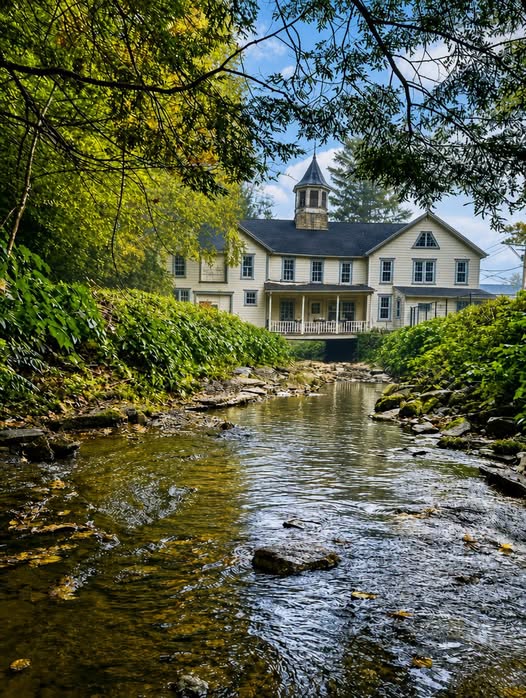
There is something undeniably appealing about the idea of leaving behind the noise of busy streets and waking up somewhere surrounded by trees, open space, and the quiet sounds of nature.
For people who spend most of their days surrounded by traffic, buildings, crowded neighborhoods, and constant activity, a private country home can represent something more than simply another place to live. It can offer a different pace of life—one where there is room to breathe, spend time outdoors, enjoy greater privacy, and create a home environment that feels removed from the demands of a busy urban routine.
A property surrounded by nature can also provide flexibility.
Depending on the land, layout, location, and applicable local regulations, a country property may offer opportunities for gardening, outdoor recreation, entertaining, hobbies, working from home, or simply enjoying a quieter daily routine.
The appeal is not necessarily about having a long list of luxury features.
Sometimes, the most valuable feature is space itself.
A Different Kind of Lifestyle
Country living has a distinctive character.
Instead of looking outside and seeing neighboring buildings immediately beyond the property line, homeowners may have trees, fields, gardens, or natural landscapes surrounding their living space.
Instead of hearing constant traffic, they may notice birds, wind moving through the trees, or the occasional sounds associated with rural life.
That change can make a significant difference in how a home feels.
Of course, country living isn’t perfect for everyone.
Rural properties can involve longer drives, fewer nearby services, different maintenance requirements, and greater responsibility for the property itself.
But for someone who values privacy and outdoor space, those trade-offs may be worth considering.
The right property can provide an environment where home life feels less hurried and more connected to the surrounding landscape.
Privacy Without Feeling Completely Isolated
One of the biggest attractions of a private country property is the potential for greater separation from neighboring homes.
Privacy can mean many things.
It may mean having more distance between the house and the road.
It may mean trees or natural features that create visual separation.
It may mean having outdoor areas where family members can relax without feeling as though they are constantly being observed.
For some buyers, this is one of the most important reasons to consider moving outside a densely populated area.
At the same time, privacy should not automatically be confused with isolation.
A property can provide a sense of seclusion while still being within reasonable driving distance of towns, schools, shops, medical services, restaurants, and other necessities.
The actual balance depends heavily on location.
That is why prospective buyers should investigate the surrounding area rather than judging a property only by photographs.
The Beauty of a Natural Setting
Living close to nature can change the character of everyday life.
A morning cup of coffee can become an opportunity to step outside and enjoy the surroundings.
Children may have more room to play outdoors.
A homeowner might spend an afternoon working in a garden, walking around the property, reading beneath a tree, or simply enjoying the changing seasons.
Nature also creates variety throughout the year.
Spring can bring new growth and flowers.
Summer may offer long evenings outdoors.
Autumn can transform wooded areas with changing colors.
Winter can create an entirely different landscape.
For someone who appreciates seasonal changes, a property surrounded by natural scenery can provide a constantly changing backdrop.
Space Creates Possibilities
A larger property can offer opportunities that are difficult to find in a typical urban home.
The available land might allow space for gardens, outdoor seating, recreational areas, storage, workshops, or other personal projects, depending on the property’s characteristics and local rules.
For some homeowners, that flexibility is the real attraction.
Perhaps they have always wanted to grow vegetables.
Maybe they want a peaceful outdoor workspace.
Perhaps they enjoy woodworking, gardening, photography, painting, or other hobbies that benefit from additional room.
Maybe they simply want an outdoor area where family and friends can gather.
A home doesn’t have to be designed for one specific purpose.
One of the advantages of having more space is the ability to adapt it over time.
A Place to Slow Down
Modern life often encourages people to move quickly.
Work schedules, commuting, appointments, shopping, school, notifications, and social commitments can make everyday life feel constantly busy.
A quieter home environment can provide a natural contrast.
The physical setting may encourage residents to spend more time outdoors and create routines that feel less rushed.
This doesn’t mean country living eliminates stress.
Every home comes with responsibilities.
A rural property may require mowing, landscaping, repairs, heating, maintenance, and other tasks that are less common or less demanding in some urban properties.
Still, there can be a psychological difference between maintaining a property surrounded by natural space and living in a densely developed neighborhood.
For some people, that difference is precisely what they are looking for.
A Potential Work-From-Home Environment
Remote and hybrid work have changed how many people think about their homes.
When a house also serves as a workplace, the surrounding environment can become more important.
A country home may offer opportunities to create a dedicated office away from the busiest areas of the house.
If the property has sufficient space, homeowners might be able to establish a quiet workspace with room for a desk, equipment, books, or other necessities.
The benefit is not simply having another room.
It is having some separation between professional responsibilities and personal life.
A peaceful setting may also make breaks more enjoyable.
Instead of stepping outside into a busy parking lot or crowded street, someone might be able to walk through the yard or sit outdoors for a few minutes.
Of course, internet availability should be carefully investigated before purchasing a rural property.
A beautiful location is less useful for someone who works remotely if reliable internet service is unavailable or inadequate.
Outdoor Living
One of the most appealing aspects of a country home is the possibility of making better use of outdoor space.
Outdoor living doesn’t necessarily require an elaborate setup.
A comfortable chair, a table, a shaded area, or a simple patio can create a place where people want to spend time.
Depending on the property, there may also be opportunities for larger outdoor projects.
A garden can provide fresh produce.
A fire area can become a gathering place where permitted.
A lawn can provide space for games.
A wooded section of the property can offer a quiet place to walk.
Even an ordinary outdoor area can become meaningful when it is part of everyday life.
Gardening and Growing Your Own Food
For many people considering a move to the countryside, gardening is part of the appeal.
Having access to suitable land can provide an opportunity to grow vegetables, herbs, flowers, or fruit.
Gardening also introduces a different rhythm into daily life.
Instead of simply purchasing everything from a store, homeowners can participate directly in growing at least some of what they consume.
Of course, successful gardening depends on factors such as soil quality, sunlight, water availability, climate, pests, and the time available for maintenance.
A property that looks perfect for gardening may still require significant preparation.
Before beginning a large project, homeowners should investigate the land carefully and understand what grows well in the local environment.
A Property for Hobbies and Projects
Extra space can be particularly valuable for people who have hobbies.
Someone who enjoys woodworking might want a workshop.
A gardener may want a greenhouse.
An artist might want a studio.
A collector may need storage.
A person who enjoys repairing or building things may appreciate having a dedicated workspace.
The possibilities depend on the property itself and local regulations.
Before making changes, buyers should determine whether permits or approvals are required.
This is particularly important for outbuildings, workshops, additions, fencing, driveways, wells, septic systems, and other improvements.
The freedom associated with rural property can be substantial, but it should never be assumed that every project is automatically permitted.
Entertaining Family and Friends
A country home can also provide a comfortable setting for gatherings.
There may be room for outdoor meals, birthdays, holidays, family visits, or relaxed weekends with friends.
Instead of organizing every gathering around a restaurant or crowded public venue, homeowners may have the option of hosting people at home.
The surrounding landscape can become part of the experience.
Guests can spend time outdoors, children can have room to play, and everyone can enjoy a slower atmosphere.
Again, the exact possibilities depend on the property’s layout and facilities.
But the idea of having enough space to welcome people comfortably is one reason larger homes continue to attract buyers.
A Home That Changes With the Seasons
One of the most interesting aspects of living surrounded by nature is that the property can feel different throughout the year.
Spring can bring greenery and new growth.
Summer can turn outdoor areas into gathering spaces.
Autumn may create dramatic changes in wooded surroundings.
Winter can make the landscape quieter and more reflective.
These changes can make a home feel dynamic.
Rather than looking at the same landscape every day, residents experience a gradual transformation as the seasons pass.
For people who enjoy photography, gardening, wildlife observation, or simply spending time outdoors, this can be especially appealing.
The Importance of Location
A beautiful home isn’t enough by itself.
Location remains one of the most important considerations when evaluating any property.
A buyer should investigate the distance to essential services.
How far is the nearest grocery store?
How long does it take to reach medical care?
What schools serve the area?
How accessible are major roads?
Is public transportation available?
How reliable is internet service?
What are the nearby properties like?
Are there agricultural operations nearby?
Are there plans for new development?
Understanding the surrounding area can prevent unpleasant surprises later.
A peaceful property today may have different surroundings in the future if development is planned nearby.
Understanding Rural Property Access
Access is another important consideration.
Some country properties are located on public roads.
Others may involve private roads, shared driveways, easements, or access agreements.
Buyers should understand who is responsible for maintaining roads and driveways.
Winter weather can make rural access more challenging in some regions.
Heavy rain can also affect unpaved roads or drainage.
These practical details may not appear in attractive property photographs, but they can have a major impact on everyday life.
Water and Wastewater Considerations
Utilities should also be investigated carefully.
Some rural homes are connected to municipal water and sewer systems.
Others may rely on private wells and septic systems.
A private well means homeowners may have responsibilities related to water testing, equipment maintenance, and system upkeep.
A septic system also requires appropriate maintenance and periodic evaluation.
Buyers should understand how these systems work before purchasing a rural property.
Professional inspections can help identify potential problems and provide a clearer picture of the property’s condition.
Heating and Energy
Heating arrangements can also differ between urban and rural homes.
Depending on the property and region, a home may use electricity, natural gas, heating oil, propane, wood, or another energy source.
The cost and availability of each option can vary.
A prospective buyer should ask about the existing heating system, its age, maintenance history, and estimated operating costs.
Energy efficiency is another useful consideration.
Insulation, windows, doors, roofing, heating equipment, and ventilation can all influence energy consumption.
A peaceful location is appealing, but practical operating costs are part of the overall homeownership experience.
Maintenance Comes With the Land
One of the realities of owning more land is that there is usually more to maintain.
Grass grows.
Trees shed branches.
Leaves accumulate.
Fences require attention.
Driveways need maintenance.
Gardens need care.
Buildings and outdoor structures may need periodic repairs.
For someone who enjoys working outdoors, these responsibilities can be satisfying.
For someone who prefers a low-maintenance lifestyle, they may become a burden.
Prospective buyers should honestly evaluate how much time they want to spend maintaining a property.
The right amount of land is different for every household.
Privacy and Community Can Coexist
Some people worry that moving to the countryside means losing access to community.
That isn’t necessarily true.
Rural areas often have their own communities, local businesses, schools, markets, organizations, events, and social networks.
The experience may simply be different from living in a dense urban neighborhood.
Instead of encountering dozens of people every day while walking down the street, residents may have fewer casual interactions but stronger connections through local activities.
The best choice depends on personal preferences.
Someone who wants complete convenience may prefer a central location.
Someone who values space and quiet may accept a longer drive in exchange for a more private environment.
Thinking About Future Needs
A home should not only meet today’s needs.
It is worth considering how the property might work five or ten years from now.
Will the family grow?
Will older family members need easier access?
Will working arrangements change?
Will the property remain manageable as the owners age?
Could a workshop or additional living space become useful?
Could maintenance become difficult?
These questions are particularly important when purchasing a property with substantial land.
A large rural home can be wonderful when everyone is young and energetic, but the maintenance requirements may become more challenging over time.
Long-term thinking can help buyers choose a property that remains practical.
The Emotional Appeal of Coming Home
There is also an emotional dimension to a property like this.
A home surrounded by nature can create a feeling of arrival.
After spending a day dealing with traffic, work, appointments, and other responsibilities, turning onto a quiet road and seeing trees or open land can feel like a transition from the outside world into a private space.
That feeling is difficult to measure.
Real estate decisions involve numbers, inspections, financing, taxes, maintenance, and practical considerations.
But they are also about how people want to live.
For some buyers, the feeling of peace that comes from a private setting is one of the most valuable characteristics a home can offer.
Not Every Country Property Is the Same
It’s important not to romanticize rural living.
A property surrounded by trees may be beautiful, but it could also require significant maintenance.
A long driveway can provide privacy but may require more work.
A remote location can provide peace but increase travel time.
A large piece of land can create opportunities but also increase responsibilities.
These trade-offs are not necessarily disadvantages.
They simply need to be understood.
The best property is the one whose advantages and responsibilities match the buyer’s lifestyle.
What Buyers Should Investigate
Anyone considering a country property should look beyond photographs and descriptions.
A thorough evaluation may include:
-
Property boundaries
-
Road access
-
Utility availability
-
Water source
-
Wastewater system
-
Internet service
-
Heating system
-
Roof condition
-
Structural condition
-
Drainage
-
Landscaping
-
Trees and potential hazards
-
Local zoning rules
-
Property taxes
-
Insurance requirements
-
Nearby development
-
Environmental considerations
-
Easements and access rights
-
Permits for existing structures
Professional inspections and appropriate legal and financial advice can help buyers understand these issues before committing to a purchase.
Making the Most of a Natural Property
If you eventually become the owner of a property surrounded by nature, there are countless ways to make the setting part of everyday life.
Create a comfortable outdoor sitting area.
Plant a garden.
Maintain walking paths where appropriate.
Add native plants that support local wildlife.
Create a quiet reading area.
Set up a workspace with views of the surrounding landscape.
Use outdoor space for family gatherings.
Or simply leave parts of the property natural.
Not every part of a property needs to be developed.
Sometimes the most valuable thing about a wooded or open area is that it remains exactly as it is.
Protecting the Natural Character of the Property
Homeowners should also think about responsible land management.
Trees, streams, soil, wildlife, and native vegetation can all contribute to the character of a property.
Before clearing land or removing mature trees, it can be worth understanding local rules and considering the environmental consequences.
Native plants can sometimes require less maintenance than ornamental landscaping and may provide habitat for local wildlife.
Responsible property management can help preserve the qualities that made the land attractive in the first place.
A Place for Simple Moments
Not every benefit of country living needs to be dramatic.
Sometimes it is simply having breakfast outdoors.
It may be watching the sunset.
Hearing rain against the roof.
Walking through the yard after a snowfall.
Picking vegetables from a garden.
Sitting beneath a tree with a book.
Watching birds in the morning.
Hosting family for dinner.
These small moments can become part of what makes a home feel special.
Luxury isn’t always about expensive finishes or impressive features.
Sometimes it is having the time and space to enjoy ordinary things.
The Meaning of Home
A house provides shelter.
A home provides something more personal.
It becomes the place where routines develop, memories are created, and everyday life unfolds.
For some people, that home is a downtown apartment.
For others, it is a suburban house.
For someone else, it may be a private country property surrounded by trees and open space.
There is no single definition of the perfect home.
What matters is how well the property fits the life of the people who live there.
Final Thoughts
A private country home surrounded by nature can offer a lifestyle that many people find deeply appealing.
More space, greater privacy, outdoor opportunities, and a quieter environment can create a welcome contrast to busy urban living.
But the appeal of rural property should be balanced with practical considerations.
Potential buyers should investigate access, utilities, maintenance, internet availability, heating, water, wastewater systems, local regulations, taxes, insurance, and the overall condition of the property.
The most beautiful landscape cannot replace careful research.
At the same time, a home should be about more than a checklist.
It should also provide a sense of comfort and belonging.
For someone who values privacy, nature, outdoor space, and a slower pace of life, a country property may offer an environment where those priorities can become part of everyday living.
Imagine beginning the morning without immediately hearing the sounds of heavy traffic.
Imagine stepping outside with a cup of coffee and having natural surroundings instead of a crowded street as your backdrop.
Imagine having enough outdoor space to create a garden, enjoy a hobby, host family, or simply sit quietly at the end of a long day.
Those possibilities are part of the attraction.
But the most important consideration is not whether a property looks like an escape in photographs.
It is whether the property works in real life.
A successful home purchase combines emotional appeal with practical planning.
Take the time to understand the land.
Learn about the neighborhood.
Inspect the house.
Research the costs.
Ask questions.
Consider future needs.
And make sure the responsibilities of the property fit the lifestyle you actually want.
When those pieces come together, a country home can become much more than a place to live.
It can become a space to slow down, spend time with family, pursue personal interests, enjoy the outdoors, and create a lifestyle built around the things that matter most.
For many people, that is the real meaning of having a home surrounded by nature: not simply owning more land, but having more room for life itself.