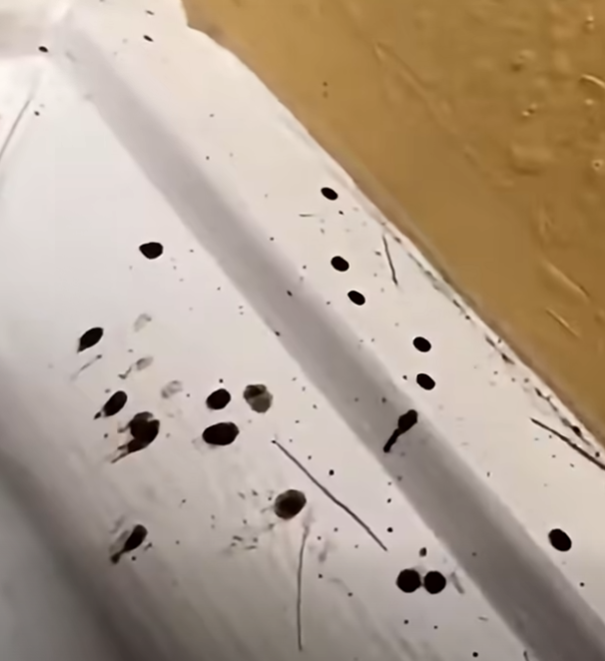
Have you ever walked into your kitchen, glanced at the countertop, wall, or floor, and noticed several tiny black dots that you don’t remember seeing before?
At first, they might seem harmless. You may assume they’re crumbs, dust, or small marks left behind after cooking. But when you notice more of them appearing in different places, you may begin to wonder where they came from and whether they indicate a problem that needs attention.
The truth is that tiny black dots in a kitchen can have several explanations. They might be ordinary food debris, insect droppings, mold-like growth, grease splashes, or particles coming from a household material. Their appearance alone is not enough to determine the cause.
The good news is that a careful inspection can often help narrow down the possibilities.
Before reaching for cleaning products or assuming the worst, take a moment to look at where the dots are appearing, whether they can be wiped away, and whether there are any other signs nearby.
Understanding the source is the first step toward choosing the right solution.
1. Tiny Black Dots Could Be Insect Droppings
One possible explanation for small, dark specks in a kitchen is insect activity.
Certain household pests leave droppings or other debris in areas where they hide, feed, or travel. Kitchens can attract insects because they provide access to food, moisture, warmth, and sheltered spaces.
The exact appearance depends on the type of insect. Some droppings may look like dark grains or tiny specks, while others may resemble fine particles or small pellets.
You might notice them near cupboards, along baseboards, behind appliances, around food storage areas, or in the corners of drawers.
However, not every black speck is evidence of pests. Crumbs, dirt, and other household debris can look similar.
If you suspect insect activity, look for additional clues, such as live insects, shed skins, damaged food packaging, or repeated accumulations of debris in the same location.
Check food containers and pantry shelves carefully. Store dry goods in tightly sealed containers and clean away crumbs, particularly around appliances and hard-to-reach corners.
If you continue finding unexplained droppings or see signs of an infestation, consider contacting a qualified pest-control professional. Correct identification matters because different pests require different treatments.
2. Could the Dots Be Related to Cockroaches?
Cockroaches are among the pests that can become established in kitchens, especially where food scraps, moisture, and hiding places are available.
Depending on the species and the insect’s size, cockroach droppings can appear as small dark specks or more noticeable pellet-like marks.
Potential hiding places include gaps around pipes, spaces beneath sinks, cabinet hinges, and the areas behind refrigerators or stoves.
Other signs may include shed skins, egg cases, live insects, or a persistent musty odor when an infestation is substantial.
Still, identifying cockroaches from a few tiny dots alone is unreliable. Other debris can look very similar, and a photograph may not provide enough detail for a confident identification.
If you suspect cockroaches, clean affected surfaces thoroughly and remove food and water sources where possible. Fix leaking pipes, seal gaps where appropriate, and avoid leaving pet food or uncovered food out overnight.
Keep pesticides away from food, utensils, and food-preparation surfaces. Follow product instructions carefully, and seek professional help if the problem persists.
3. Black Specks Near the Sink May Have a Different Cause
The area around a kitchen sink is frequently exposed to water, soap, food residue, and cleaning products.
Over time, small particles can accumulate around the faucet base, sink seams, drain, and edges of the countertop.
In some cases, dark marks may be associated with deteriorating sealant, accumulated grime, or material breaking down around an older fixture.
Moisture can also contribute to microbial growth on surfaces that remain damp.
Look closely at the location of the marks. Are they concentrated along a seam? Do they appear on the sealant rather than the surrounding countertop? Is the area frequently wet?
These details can help distinguish an isolated cleaning issue from a problem involving the material itself.
For ordinary surface grime, use a cleaning product suitable for the material and follow its label directions. Avoid abrasive tools on delicate finishes.
If sealant is deteriorating or the area remains damp despite regular cleaning, addressing the underlying moisture problem may be necessary.
Do not assume that every dark mark around a sink is mold. Identifying the actual cause is important before deciding how to treat it.
4. Could Moisture or Mold Be Responsible?
Moisture is another possible explanation for dark spots in a kitchen.
Condensation, leaking pipes, poor ventilation, or water entering through damaged seals can leave certain areas damp for extended periods. Under suitable conditions, mold and other microorganisms can grow on surfaces and materials.
Possible locations include areas beneath the sink, around windows, behind appliances, along damp walls, and near leaking plumbing.
Some types of mold growth can appear dark, but color alone cannot establish whether a substance is mold or identify its type.
Pay attention to accompanying signs, such as persistent dampness, peeling paint, a musty smell, or discoloration that continues to spread.
If you suspect moisture-related growth, first identify and correct the source of the water. Simply wiping away a stain may not resolve the underlying problem if the surface continues to get wet.
Small areas of mold on suitable, nonporous surfaces may sometimes be cleaned using appropriate products and protective measures. However, extensive growth, recurring contamination, or mold affecting porous materials may require professional assessment.
Never mix cleaning chemicals, particularly bleach with ammonia or acidic products, because dangerous gases can be produced.
5. Food Crumbs and Cooking Residue Are Also Possible
Not every mysterious kitchen mark indicates a pest or moisture problem.
Tiny black dots can come from ordinary cooking and food preparation.
Burnt food particles may fall from pans, ovens, toasters, or baking trays. Spices, seeds, and dark crumbs can also scatter across countertops and floors.
Grease splashes may collect dust over time, creating dark marks around cooking areas.
If the dots appear mainly near the stove, toaster, or food-preparation counter, inspect those areas before considering more complicated explanations.
Clean the surrounding surfaces and check whether the marks return. If they disappear completely and do not reappear, ordinary residue may have been responsible.
However, if new specks repeatedly accumulate in the same place, investigate further instead of assuming that cleaning alone has solved the problem.
Keeping appliances clean, emptying crumb trays, and wiping surfaces after cooking can help prevent everyday residue from building up.
6. Look for Patterns Before Drawing Conclusions
One of the most useful ways to investigate unexplained black dots is to examine their distribution.
A few isolated marks on a countertop may have a different explanation from repeated specks appearing inside a pantry or around a damp cabinet.
Consider these questions:
- Are the dots concentrated near food, water, or a particular appliance?
- Do they appear on horizontal surfaces, vertical walls, or both?
- Can they be wiped away easily, or do they seem embedded in the material?
- Do they return after the area has been cleaned?
- Are there other signs of insects, moisture, damaged sealant, or deteriorating surfaces?
These observations will not necessarily identify the substance, but they can help narrow down the possibilities.
If possible, take a clear photograph before cleaning the area. Include a familiar object, such as a coin, nearby for scale, without touching any material you suspect could be hazardous.
A photograph taken in good lighting may help a pest-control professional, maintenance specialist, or other qualified person assess the situation.
7. What Should You Do When You Find Black Dots?
The appropriate response depends on the likely source.
For ordinary crumbs or cooking residue, routine cleaning is generally sufficient.
If you suspect pests, inspect cupboards and food packaging, remove accessible food sources, and look for other signs of activity.
If the dots are associated with dampness, leaking pipes, or deteriorating sealant, address the moisture or material problem rather than repeatedly cleaning the visible marks.
When the substance is unknown, avoid touching, brushing, or blowing it around unnecessarily. Keep children and pets away until you have a better understanding of what it might be.
If you find unexplained particles in a food container, discard food that may be contaminated and clean the container or storage area appropriately.
Persistent, spreading, or recurring marks deserve closer attention, particularly when accompanied by visible pests, damaged materials, or signs of water intrusion.
The goal is not to panic over every small speck. It is to identify the source and respond appropriately.
8. Simple Habits That Help Keep a Kitchen Clean
A few consistent habits can make it easier to spot changes in your kitchen before they become bigger problems.
Store food in sealed containers, wipe away spills promptly, and clean beneath appliances when practical.
Check the cabinet beneath the sink periodically for leaks or damp materials. Keep the area around the faucet dry when possible, and use suitable ventilation to reduce excess moisture.
Inspect pantry goods occasionally for damaged packaging or signs of pests. Empty crumb trays and clean cooking appliances according to their manufacturers’ instructions.
It is also helpful to pay attention to recurring marks. If the same unusual spots repeatedly return after cleaning, record where they appear and consider whether an underlying source remains.
Regular cleaning is valuable, but identifying the cause of a recurring problem is often more effective than simply removing its visible signs.
Final Thoughts: Don’t Ignore the Clues, but Don’t Assume the Worst
Discovering tiny black dots in your kitchen can be puzzling, especially when you cannot remember seeing them before.
They may be ordinary food debris, insect-related material, moisture-associated growth, grease, or particles from a household surface. Without seeing the dots and examining their surroundings, it is impossible to determine the cause confidently.
The most useful approach is to look for patterns, check for other signs, and avoid making assumptions based on color alone.
If the marks repeatedly return, appear alongside signs of pests or moisture, or seem to be damaging a surface, investigate the underlying problem and seek professional advice when needed.
A few small specks do not automatically mean that your kitchen is unsafe or infested. But paying attention to unusual changes can help you keep your home cleaner, identify maintenance problems earlier, and make informed decisions about what to do next.
Have you noticed similar black dots in your kitchen? Their location, appearance, and whether they return after cleaning may help narrow down the possibilities. Share a clear photograph and a description of where you found them to help others offer more informed suggestions.