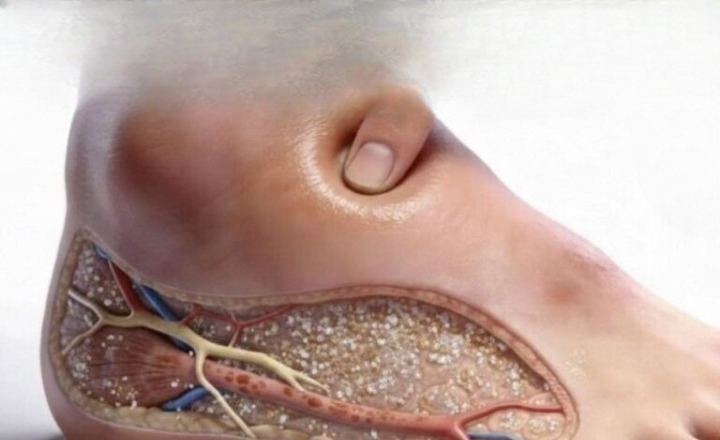
Natural Ways to Support Healthy Circulation and Reduce Occasional Foot Swelling
Swollen feet and ankles are a common experience, especially after spending many hours standing, sitting, traveling, or walking. By the end of a long day, shoes may feel tighter than usual, socks can leave noticeable marks around the ankles, and the legs may feel heavier or less comfortable.
In many everyday situations, mild swelling is temporary and improves after resting or changing position. The body naturally moves fluid through the tissues and circulatory system, but certain circumstances can make fluid collect around the lower legs and feet.
Fortunately, several simple lifestyle habits may help support normal circulation and make occasional swelling less noticeable. Staying physically active, changing positions regularly, elevating the legs, staying appropriately hydrated, and choosing comfortable footwear are among the practical steps that can support overall leg and foot comfort.
However, swelling should not always be treated as a minor inconvenience. Persistent or unexplained swelling can sometimes be associated with an underlying health issue, medication side effect, injury, or circulation problem. For that reason, home strategies should be viewed as supportive habits rather than a substitute for professional medical advice.
Understanding why swelling happens is the first step toward managing it responsibly.
What Causes Swelling in the Feet?
Swelling occurs when excess fluid accumulates in the tissues. The medical term commonly used for this type of swelling is edema.
The feet and ankles are particularly prone to temporary swelling because they are located at the lowest part of the body. Gravity can influence the movement of fluid, particularly when a person remains in one position for an extended period.
For example, someone who spends an entire workday sitting at a desk may notice swollen ankles in the evening. The same thing can happen to someone whose job requires standing for many hours.
Long-distance travel can also contribute to temporary swelling because people often remain seated for prolonged periods and have fewer opportunities to move their legs.
Other possible contributors include hot weather, certain dietary habits, hormonal changes, injuries, and some medications.
There can also be medical causes of swelling involving the heart, kidneys, liver, veins, lymphatic system, or other parts of the body.
That is why the pattern of swelling matters.
Occasional swelling that disappears with rest may be very different from swelling that repeatedly occurs, gradually worsens, or appears alongside other symptoms.
Start With Gentle Movement
One of the simplest ways to support healthy circulation is to move regularly.
The muscles in the legs play an important role in helping blood move back toward the heart. When you walk, flex your ankles, or contract the muscles in your legs, these movements can assist normal circulation.
You do not necessarily need an intense workout.
A short walk around the house, office, or neighborhood may be enough to break up a long period of inactivity.
If you spend much of the day sitting, try standing up periodically and moving around for a few minutes.
Simple movements can also be performed while seated.
You can gently move your feet up and down, rotate your ankles, or straighten and bend your legs several times.
These activities are particularly practical for people who work at desks or spend long periods traveling.
The goal is not to force the body into strenuous exercise. Instead, the idea is to avoid remaining completely still for extended periods.
Take Regular Breaks From Sitting
Modern lifestyles often involve long periods of sitting.
Office work, driving, watching television, studying, and computer use can all reduce the amount of movement a person gets throughout the day.
Remaining seated for hours can contribute to feelings of stiffness and heaviness in the lower legs.
A simple strategy is to create regular movement breaks.
For example, you might stand while making a phone call, walk around the room after completing a task, or take a short walk during a break.
If you have a sedentary job, consider using reminders to encourage movement throughout the day.
Even small changes can make daily routines more active.
This does not mean that everyone needs to follow the same exercise schedule. The most useful routine is generally one that is appropriate for your abilities and can be maintained consistently.
Elevating Your Legs
Another simple strategy for occasional swelling is elevating the legs while resting.
When the legs are raised above the level of the heart, gravity can assist the movement of fluid away from the lower extremities.
You can lie down and place your legs on pillows or rest them on a comfortable elevated surface.
There is no need to make the position uncomfortable.
The purpose is simply to give the legs a chance to rest in a raised position.
Some people find this especially comfortable at the end of a long day.
However, if elevating your legs causes pain, breathing difficulties, or other unusual symptoms, stop and seek medical advice.
People with certain medical conditions may also need individualized guidance about positioning and fluid management.
Stay Hydrated
Drinking enough fluid is an important part of general health.
It may seem counterintuitive to drink water when the body appears to be retaining fluid, but restricting fluids without medical guidance is generally not an appropriate solution to swelling.
The amount of fluid a person needs varies according to factors such as body size, activity level, climate, diet, age, and health status.
Water is usually a practical choice for everyday hydration.
Rather than focusing on a single exact amount that applies to everyone, pay attention to your body’s needs and follow any hydration recommendations provided by your healthcare professional.
People with certain heart, kidney, or liver conditions may have specific fluid restrictions, so they should follow their medical team’s advice rather than increasing or reducing fluid intake based on general wellness recommendations.
Pay Attention to Sodium Intake
Diet can also influence fluid balance.
Sodium is an essential mineral, but consuming large amounts of sodium can contribute to fluid retention in some people.
Many people associate sodium primarily with the salt shaker, but processed and packaged foods can also contain substantial amounts.
Common sources include processed meats, packaged soups, salty snacks, sauces, fast food, and some prepared meals.
Reducing excessive sodium intake may be useful as part of an overall balanced eating pattern.
This does not mean eliminating salt completely.
The body needs sodium for important functions, including nerve and muscle activity.
Instead, the goal is generally to avoid excessive intake and choose a balanced diet.
Reading nutrition labels can help you compare products and become more aware of how much sodium is present in commonly eaten foods.
Choose More Whole Foods
A balanced diet can support overall cardiovascular and circulatory health.
Rather than relying on one particular food or drink as a solution for swollen feet, focus on an overall eating pattern that includes a variety of nutritious foods.
Fruits and vegetables provide vitamins, minerals, fiber, and other beneficial compounds.
Whole grains can contribute fiber and important nutrients.
Beans, lentils, nuts, seeds, fish, eggs, and other protein sources can also fit into a balanced diet.
The goal is variety.
No single food should be expected to eliminate swelling or correct an underlying medical condition.
A nutritious diet is best viewed as one part of a broader approach to maintaining general health.
Foods Containing Potassium
Potassium is an essential mineral involved in fluid balance, muscle function, and nerve activity.
Foods that naturally contain potassium include bananas, potatoes, beans, lentils, spinach, tomatoes, yogurt, and several other fruits and vegetables.
Including potassium-rich foods as part of a balanced diet can be beneficial for general nutrition.
However, potassium supplements should not be used casually to address swelling.
People with kidney disease or certain other health conditions may need to limit potassium. Some medications can also affect potassium levels.
For that reason, it is better to obtain most nutrients from food unless a healthcare professional recommends supplementation.
A food containing potassium is not a treatment for unexplained edema.
Comfortable Footwear Matters
Shoes can make swollen feet feel much more uncomfortable.
When feet become slightly larger throughout the day, shoes that already fit tightly may create pressure around the toes, ankles, or upper part of the foot.
Choosing footwear with enough room for the toes and comfortable support can make everyday activities easier.
If your feet tend to swell later in the day, it can be useful to make sure your shoes still feel comfortable during that period.
Avoid footwear that causes pain, numbness, pressure points, or restricted movement.
Comfortable shoes are particularly important for people who spend many hours walking or standing.
Avoid Staying in One Position for Too Long
Movement does not have to mean exercising continuously.
Changing position can also help.
If you are sitting, stand up occasionally.
If you are standing for a long time, sit down and rest when possible.
If you are traveling, take appropriate opportunities to move around safely.
Small adjustments throughout the day can be easier to maintain than trying to compensate for many hours of inactivity with a single workout.
A healthy daily routine generally includes a mixture of movement and rest.
Gentle Ankle Exercises
Simple ankle movements can be performed while seated or lying down.
For example, you can slowly point your toes away from your body and then bring them back toward you.
You can also gently rotate each ankle in one direction and then the other.
These movements are not intended to treat a medical condition.
Their primary purpose is to keep the joints moving and provide a simple way to break up periods of inactivity.
If a particular movement causes pain, stop performing it.
People recovering from surgery, injury, or certain medical conditions should ask a healthcare professional which exercises are appropriate.
Consider a Gentle Walking Routine
Walking is one of the simplest forms of physical activity.
It does not require expensive equipment, and it can often be adjusted to different fitness levels.
A short walk can help you move your legs after spending a long time sitting.
For someone who is currently inactive, starting with a manageable amount of walking may be more realistic than beginning with an intense exercise program.
As fitness improves, duration and frequency can gradually increase if appropriate.
The most important consideration is choosing activity that is safe for your individual health and abilities.
If you experience chest discomfort, unusual shortness of breath, dizziness, fainting, or significant pain during exercise, stop and seek appropriate medical attention.
Maintaining a Healthy Weight
Body weight can influence pressure on the lower limbs and may affect mobility.
For people who are above a healthy weight range, gradual weight management may support overall cardiovascular and metabolic health.
However, weight should not be treated as the sole explanation for swollen feet.
People of all body sizes can experience edema.
A healthy approach to weight management generally focuses on balanced nutrition, regular physical activity, adequate sleep, and sustainable habits rather than extreme diets.
Rapid or restrictive diets are not an appropriate treatment for unexplained swelling.
Be Careful With Herbal Remedies
The internet contains many claims about herbal teas, supplements, and natural products that supposedly remove excess fluid from the body.
These claims should be approached carefully.
“Natural” does not automatically mean safe or effective.
Some herbs can interact with prescription medications or affect blood pressure, blood sugar, kidney function, or electrolyte levels.
Certain products may also have a diuretic effect, meaning they can increase urination. That does not necessarily mean they are appropriate for treating swelling.
Using a product that changes fluid balance without understanding the underlying cause of swelling could create additional problems.
If you are considering an herbal supplement, especially if you take prescription medication or have a chronic medical condition, discuss it with a qualified healthcare professional first.
Massage and Swollen Feet
Gentle massage can feel relaxing for some people and may temporarily improve comfort.
However, massage should not be assumed to treat the underlying cause of swelling.
There are situations in which massage may not be appropriate.
For example, unexplained swelling accompanied by significant pain, redness, warmth, or other concerning symptoms should be medically evaluated rather than simply massaged.
People with known circulation disorders or certain medical conditions should ask their healthcare professional whether massage is appropriate.
If massage is considered safe, it should be gentle and should not cause pain.
Compression Socks and Leg Swelling
Compression garments are sometimes recommended for certain types of leg swelling, particularly when related to circulation problems involving the veins.
They apply controlled pressure to the legs and can help support normal movement of fluid and blood.
However, compression socks are not appropriate for everyone.
People with certain arterial circulation problems or other medical conditions may need to avoid them or use a specific type under professional guidance.
If swelling is new, persistent, or unexplained, it is better to determine the cause before choosing compression garments.
A healthcare professional can advise whether compression is appropriate and what level of compression should be used.
Pay Attention to Your Daily Routine
Keeping track of when swelling appears can sometimes provide useful information.
Ask yourself:
Does it happen mostly at the end of the day?
Does it occur after long periods of sitting?
Does it improve overnight?
Does it happen after exercise?
Is one foot affected more than the other?
Does it occur repeatedly?
Are there other symptoms at the same time?
Patterns can help a healthcare professional understand what may be happening.
You may even find it useful to keep a simple note for several days if swelling is occurring regularly.
Record when it begins, how long it lasts, and whether anything seems to improve or worsen it.
When Swelling Should Be Checked by a Professional
Not all foot swelling should be managed at home.
If swelling is persistent, recurrent, unexplained, or gradually getting worse, it is worth discussing with a healthcare professional.
Medical evaluation is particularly important if swelling appears alongside other symptoms.
Examples include:
- Significant or unexplained pain
- Redness or warmth
- Skin changes
- A sudden increase in swelling
- Swelling that affects only one leg or foot
- Persistent swelling that does not improve with rest
- Unusual shortness of breath
- Chest discomfort
- Fainting or severe dizziness
- Unexplained rapid weight gain
- Significant weakness or other unusual symptoms
Sudden swelling accompanied by breathing difficulty or chest symptoms can require urgent medical attention.
Similarly, new one-sided leg swelling with pain or warmth should not simply be treated with home remedies.
The appropriate response depends on the person’s symptoms and medical history.
Medication Can Sometimes Play a Role
Some medications can contribute to swelling as a side effect.
Certain blood-pressure medicines, hormonal medications, anti-inflammatory drugs, steroids, and other prescription or over-the-counter products may cause fluid retention in some people.
If you notice swelling after starting a new medication, do not stop taking the medicine on your own.
Instead, contact the prescribing healthcare professional or pharmacist.
They can determine whether the medication could be contributing to the problem and whether a different approach is appropriate.
Changing prescription medication without professional guidance can create unnecessary risks.
Travel and Long Periods of Sitting
Travel can create a particularly common situation for temporary foot and ankle swelling.
Long flights, car trips, bus rides, and train journeys may require people to remain seated for extended periods.
Whenever it is safe and practical, change position and move your legs during the journey.
Simple ankle movements can also be performed while seated.
For longer journeys, follow appropriate travel and health guidance, particularly if you have a history of blood clots or circulation problems.
People with significant medical risk factors should ask their healthcare professional about preventive measures before extended travel.
Hot Weather Can Affect Swelling
Some people notice more swelling during hot weather.
Heat can influence blood vessels and fluid distribution, and prolonged outdoor activity can make the legs feel heavier.
Staying appropriately hydrated, avoiding excessive heat exposure, taking breaks, and resting the legs can help with general comfort.
However, swelling during hot weather should not automatically be dismissed as harmless.
If it is severe, persistent, or accompanied by other symptoms, medical advice may be appropriate.
Healthy Habits Work Best Together
There is rarely one magic solution for occasional foot swelling.
A combination of everyday habits is generally more useful.
You can combine regular movement with balanced nutrition, appropriate hydration, comfortable footwear, and periods of leg elevation.
For someone who sits for long periods, adding short movement breaks may be particularly practical.
For someone who stands throughout the workday, alternating standing with appropriate rest may help.
For someone who frequently travels, planning opportunities for movement can be useful.
The best approach depends on the individual and the reason the swelling occurs.
Avoid Extreme “Detox” Approaches
Some online sources promote aggressive detoxes, fasting programs, or products designed to rapidly remove water from the body.
These approaches should be treated with caution.
Rapid fluid loss is not the same as resolving the cause of swelling.
Extreme restriction can also lead to dehydration or electrolyte disturbances.
A healthy body does not need an internet detox product to perform its normal waste-removal functions.
If you repeatedly experience fluid retention, the more useful step is to understand why it is happening.
Listen to Changes in Your Body
Occasional swelling after a long day may be manageable with simple lifestyle adjustments.
But recurring changes deserve attention.
Your body can provide useful information through patterns such as repeated swelling, unusual fatigue, changes in exercise tolerance, or other new symptoms.
This does not mean that every minor symptom indicates a serious condition.
Instead, it means that persistent changes should not be ignored indefinitely.
Paying attention to patterns can help you decide when professional advice may be appropriate.
A Simple Daily Routine
For people experiencing occasional foot or ankle swelling, a basic daily routine might include several practical habits.
Start the day with normal hydration and a balanced breakfast.
During work or other sedentary activities, take periodic movement breaks.
If you have been sitting for a long time, stand and walk for a few minutes.
If you have been standing for many hours, take appropriate opportunities to sit and rest.
Choose footwear that feels comfortable and does not create unnecessary pressure.
Include regular physical activity that matches your fitness level.
At the end of a long day, consider resting with your legs elevated if that feels comfortable.
These habits are simple, but consistency can be more useful than relying on a single dramatic remedy.
The Bigger Picture: Supporting Circulation
Healthy circulation is part of overall health.
Physical activity, balanced nutrition, maintaining appropriate blood pressure and cholesterol levels, avoiding tobacco, getting adequate sleep, and managing health conditions can all contribute to cardiovascular wellness.
Foot swelling should therefore be viewed in the context of a person’s overall health rather than as an isolated cosmetic issue.
For some people, the cause may be something relatively minor and temporary.
For others, it may be an indication that a healthcare professional should investigate further.
The appearance of swollen feet alone cannot determine the cause.
Final Thoughts
Swollen feet and ankles can be uncomfortable, particularly after long periods of sitting, standing, traveling, or being active.
For occasional and mild swelling, simple habits may help improve comfort. Regular movement, changing positions, elevating the legs, maintaining appropriate hydration, limiting excessive sodium, choosing comfortable footwear, and following a balanced diet are all reasonable ways to support general circulation and leg health.
However, these strategies should not be presented as cures.
Swelling has many possible causes, and the right approach depends on why it is happening. Some cases may be related to everyday habits, while others can be associated with medications, injuries, vein problems, or other medical conditions.
That is why persistent, unexplained, sudden, or one-sided swelling deserves appropriate attention.
It is also important to remember that there is no universal “detox” food, tea, supplement, or home remedy that can safely replace medical evaluation when a health problem is present.
The most practical approach is to build healthy habits into everyday life while remaining aware of changes in your body.
Move regularly. Avoid sitting or standing in one position for excessively long periods. Eat a varied and balanced diet. Stay appropriately hydrated. Give your legs time to rest. Wear comfortable footwear. And when symptoms are unusual, persistent, or accompanied by concerning changes, seek professional medical advice.
Taking care of circulation is not about finding one miracle solution. It is about supporting overall health through consistent, sensible habits and knowing when a symptom deserves more attention.