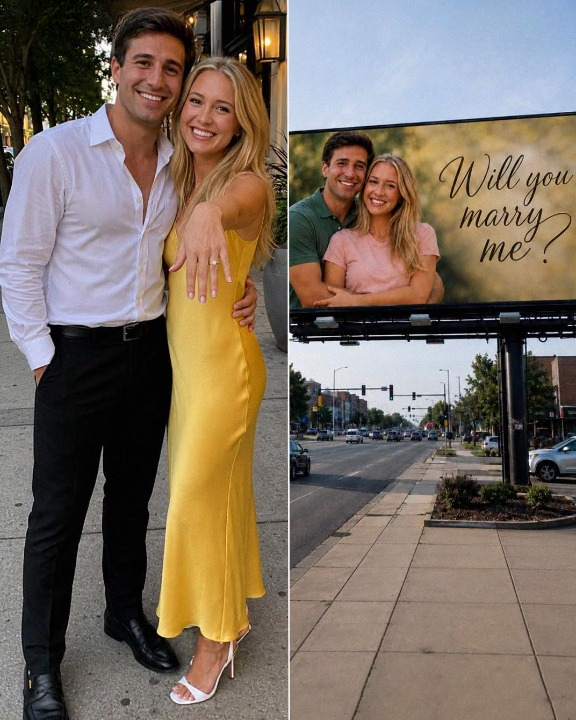
For six years, Myles had been the person I trusted more than anyone else.
We met in our late twenties, at a time when neither of us was interested in rushing into marriage. We both wanted stable careers, some savings, and the freedom to build a relationship because we genuinely wanted one—not because we felt pressured by family or friends.
Over the years, we became a team.
We traveled when we could afford it, survived stressful job changes, celebrated promotions, and somehow still managed to make each other laugh after terrible days.
Marriage had come up many times.
“Eventually,” Myles would always say.
And I agreed.
There was no hurry.
But during the months before everything changed, I noticed something different about him.
He started staying late at work.
His phone was constantly buzzing.
Sometimes he stepped outside to answer calls, saying they involved a complicated project.
He looked exhausted, too.
“You’re not sleeping,” I told him one evening.
“I’m fine,” he replied.
“You’ve been saying that for weeks.”
Myles kissed my forehead.
“Just work. Trust me.”
And I did.
Looking back, maybe that was why what happened next affected me so deeply.
One afternoon, Myles called while I was finishing work.
“I need you to do something for me tonight.”
“What?”
“Meet me at our favorite restaurant at seven.”
I laughed.
“That sounds suspicious.”
“It’s supposed to.”
Then he added one strange instruction.
“When you leave home, call me. Keep me on speaker while you drive.”
“Why?”
“You’ll see.”
I spent the next few hours wondering whether he was planning an anniversary surprise even though our anniversary was still two months away.
At six-thirty, I changed into a dark blue dress he loved and called him as I walked toward my car.
“Leaving now,” I said.
“Perfect.”
He kept me talking about meaningless things while I drove.
Then, about ten minutes from the restaurant, I noticed something glowing above the road.
A huge illuminated billboard.
At first, I saw our photograph.
It was a picture from a vacation three years earlier, both of us laughing while standing beside the ocean.
Then I read the enormous words underneath it.
WILL YOU MARRY ME?
I nearly forgot I was driving.
“Myles!”
He laughed through the speaker.
“So?”
I was already crying.
“So what?”
“Helen, will you marry me?”
“Yes!”
I laughed and cried at the same time.
“Yes, of course I will!”
“Hurry up,” he said. “Your fiancé is waiting.”
When I arrived at the restaurant, Myles was standing outside holding flowers.
He got down on one knee anyway, even though I had already said yes over the phone.
People nearby applauded.
I barely noticed them.
That evening felt perfect.
We drank champagne, talked about wedding ideas, and imagined where we might live someday.
For hours, I kept staring at the ring.
“You really planned all of this?” I asked.
“For months.”
Suddenly, all his secret phone calls and late nights seemed to make sense.
The next morning, I woke up ridiculously early.
Myles had already left for work.
I made coffee, looked at my ring again, and decided to drive past the billboard.
I wanted to see it one more time in daylight.
But when I reached the intersection, my excitement vanished.
Someone had altered it.
Across our smiling photograph, written in enormous red letters, were the words:
BEFORE YOU SAY YES, THERE’S SOMETHING YOU NEED TO KNOW.
I pulled into a nearby parking lot.
For several minutes, I simply stared.
Maybe it was vandalism.
Maybe somebody thought ruining a stranger’s proposal was funny.
But why those specific words?
For the rest of the day, I could barely concentrate.
Every secret phone call Myles had made suddenly looked different.
Every late night at work.
Every time he had turned his phone facedown.
By evening, I had convinced myself I was being paranoid.
Then someone knocked on my door.
I assumed Myles had forgotten his keys.
Instead, a man around forty stood outside wearing a baseball cap and work jacket.
“Are you Helen?”
“Yes.”
He looked nervous.
“Myles can’t know I came here.”
My heart started pounding.
“Who are you?”
“My name is Aaron.”
He looked toward the street before lowering his voice.
“You saw the billboard?”
I immediately understood.
“You wrote that?”
“I did.”
“Why?”
Aaron swallowed.
“Because I thought you deserved to know the truth before marrying him.”
I stepped outside and closed the door behind me.
“What truth?”
He hesitated.
Then he said something I never expected.
“Myles owes me money.”
I blinked.
“What?”
“A lot of money.”
That wasn’t what I had imagined.
Aaron explained that he and Myles had gone into a private investment together nearly two years earlier.
Myles had convinced him to put money into what he described as a promising property development.
The project failed.
But according to Aaron, Myles hadn’t told me because much of the money he invested wasn’t actually his.
“He borrowed against things,” Aaron said.
“What things?”
“Credit cards. Personal loans.”
My stomach tightened.
“How much?”
Aaron gave me a number that made me sit down on the porch step.
More than $100,000.
“No,” I whispered.
“I have paperwork.”
He pulled copies from an envelope.
There was Myles’s signature.
Loan documents.
Payment schedules.
Messages.
Then I saw something worse.
One document contained an application listing my income as part of his household finances.
I stared at Aaron.
“Did I sign this?”
“No.”
I felt cold.
That evening, when Myles came home, he smiled when he saw me.
“There’s my fiancée.”
I placed the documents on the kitchen table.
His smile disappeared instantly.
“Where did you get those?”
“Does it matter?”
He sat down.
For several seconds, neither of us spoke.
Finally, he admitted everything.
The late nights had not all been proposal planning.
Some had been meetings with creditors.
The mysterious calls had often been about overdue payments.
The billboard itself had been paid for with another credit card.
“Why didn’t you tell me?” I asked.
“I was going to fix everything.”
“When?”
“Before we got married.”
I looked at the ring.
“You asked me to build a future with you while hiding a financial disaster.”
“I was embarrassed.”
“That doesn’t explain using my financial information.”
He had no answer.
I removed the ring and placed it on the table.
“I’m not saying we’re finished forever,” I said. “But I’m definitely not marrying you next year.”
Myles looked devastated.
“So that’s it?”
“No. This is what happens next. You show me everything. Every account. Every loan. Every debt. And you get professional financial advice.”
“And the wedding?”
“There is no wedding until I know whether I can trust you again.”
For months afterward, we worked through the mess.
Myles sold his expensive car.
He met with a financial counselor.
We separated our finances completely.
He apologized to Aaron and began repaying him according to a formal agreement.
Most importantly, he stopped hiding.
The wedding was postponed indefinitely.
Some friends thought I should leave immediately.
Others thought I should forgive him because he hadn’t cheated.
But betrayal isn’t limited to romance.
Trust can be damaged whenever someone builds an important part of your shared life around a lie.
I eventually contacted Aaron and thanked him.
His method was dramatic, but his warning gave me something priceless: the chance to make an informed decision before legally tying my future to Myles’s financial problems.
The billboard stayed up for several more days.
By then, the company had covered the red message.
The original proposal appeared again.
WILL YOU MARRY ME?
But whenever I drove past it, I no longer remembered the beautiful proposal first.
I remembered the warning.
And I learned something I wish everyone understood before saying yes to forever:
A marriage proposal can be romantic.
A diamond can be beautiful.
A grand gesture can make you cry.
But before building a life with someone, you need more than romance.
You need honesty.
Because the most important question isn’t simply whether you love someone enough to marry them.
It’s whether you truly know the life you’re agreeing to share.