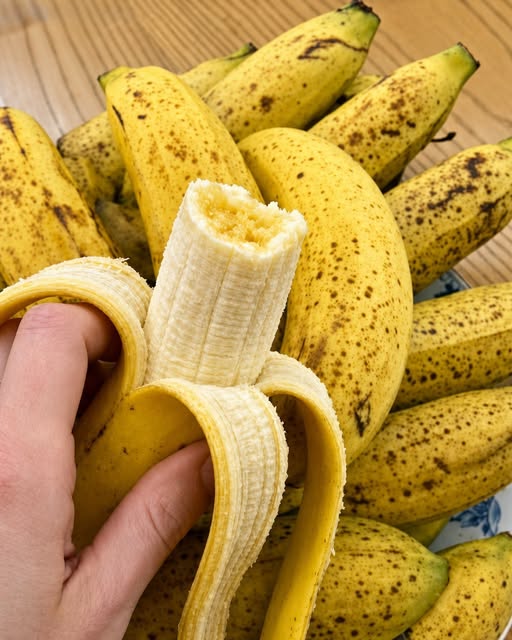
If You’re Over 50, Eating One Banana a Day May Affect Your Health in These Ways
As people get older, everyday food choices can become more important. After the age of 50, many adults begin paying closer attention to their energy levels, digestion, heart health, blood pressure, and overall nutrition. This often leads to questions about familiar foods that have been part of the diet for years.
One of those foods is the banana.
Bananas are inexpensive, convenient, naturally sweet, and easy to include in breakfast or as a snack. They also provide carbohydrates, fiber, potassium, vitamin B6, and other nutrients. For many people, eating one banana a day can easily fit into a balanced eating pattern.
However, the effects of eating bananas can vary from person to person. Age alone does not make bananas harmful, but certain medical conditions, medications, or dietary needs can make potassium-rich foods more relevant.
That is why the question is not simply whether people over 50 should eat bananas.
The more useful question is: What could happen if you make one banana a regular part of your daily diet, and when might you need to be more careful?
Why Bananas Remain Popular After 50
Bananas have several characteristics that make them appealing for adults of all ages.
They require no preparation, are easy to carry, and can be eaten at almost any time of the day. A banana can be added to oatmeal, yogurt, cereal, smoothies, or whole-grain toast. It can also serve as a convenient alternative to highly processed snacks.
For older adults who sometimes struggle with appetite or do not want to prepare complicated meals, simple foods can be particularly practical.
A banana also contains carbohydrates, which provide energy. This can make it useful before physical activity or as part of a breakfast.
The fruit also contains dietary fiber. Fiber plays an important role in normal digestion and can contribute to a feeling of fullness.
But there is another nutrient in bananas that receives considerable attention: potassium.
Potassium Is One of the Main Reasons Bananas Get Attention
Potassium is an essential mineral involved in several important functions in the body. It helps support normal muscle function, nerve signaling, and fluid balance.
Because bananas contain potassium, they are frequently mentioned when people discuss foods associated with heart and blood-pressure-friendly diets.
For healthy adults, getting potassium from foods such as fruits, vegetables, beans, dairy products, and other nutrient-rich foods can be part of a balanced diet.
However, more of a nutrient is not automatically better for everyone.
This becomes particularly important for people whose kidneys do not function normally.
When a Banana May Need More Consideration
The kidneys help regulate potassium levels in the body.
If someone has certain forms of kidney disease, the body may have difficulty removing excess potassium from the bloodstream. In those circumstances, a doctor or dietitian may recommend limiting potassium-rich foods.
This does not mean bananas are dangerous for everyone over 50.
It means that an individual’s health history matters.
Someone who has healthy kidney function and eats a varied diet may have very different nutritional needs from someone who has been diagnosed with chronic kidney disease.
Adults taking certain medications may also need to discuss potassium intake with a healthcare professional.
For this reason, people should not make major dietary changes based solely on a social-media headline claiming that a particular fruit becomes harmful after a certain age.
What About Blood Sugar?
Another common concern involves the natural carbohydrates found in bananas.
Bananas contain naturally occurring sugars and carbohydrates. The amount and effect can vary depending on the size and ripeness of the fruit.
A ripe banana generally tastes sweeter because some of its starches have converted into sugars.
For most people, eating a banana as part of a balanced meal or snack is not automatically a problem.
However, people with diabetes or other blood-sugar concerns may need to pay attention to portion size and how different foods affect their individual glucose levels.
One useful approach is to combine a banana with another nutritious food containing protein or healthy fat.
For example, a banana paired with plain yogurt, nuts, or a small amount of natural nut butter may create a more balanced snack than eating the fruit alongside another highly sugary food.
Again, individual dietary recommendations can differ.
Bananas and Digestion
Bananas are also associated with digestive health because they contain fiber.
Fiber can support regular bowel movements and contributes to overall digestive health when consumed as part of an adequate-fiber diet.
However, people sometimes report different digestive responses to bananas.
Some individuals find bananas easy to digest, while others may experience bloating or changes in bowel habits depending on the amount they eat and their overall diet.
The ripeness of the banana can also matter.
Less-ripe bananas contain more resistant starch, while ripe bananas contain more readily available sugars. Resistant starch can behave differently during digestion and may serve as a food source for certain gut bacteria.
This is one reason nutrition is rarely as simple as declaring one food universally good or bad.
Could Eating One Banana Every Day Cause Weight Gain?
Another question often raised is whether daily bananas can contribute to weight gain.
A banana contains calories, just like every other food. But eating one banana does not automatically cause weight gain.
Changes in body weight are influenced by overall energy intake, physical activity, metabolism, dietary patterns, sleep, age, and numerous other factors.
Replacing a highly processed dessert or sugary snack with a banana could represent a very different dietary choice from adding a banana on top of an already calorie-heavy diet.
The overall pattern matters much more than one individual fruit.
For someone trying to manage weight after 50, portion sizes and the nutritional quality of the entire diet are generally more important considerations than simply eliminating bananas.
The Difference Between a Banana and a Sugary Snack
One reason bananas can be useful is that they are a whole food.
Compare a banana with a packaged snack containing added sugars, refined carbohydrates, and relatively little fiber or micronutrients.
The banana provides carbohydrates along with fiber and several vitamins and minerals.
That does not make every banana-based product equally nutritious, though.
Banana-flavored cereal bars, muffins, desserts, smoothies with added sugar, and other processed products can contain ingredients that are very different from those in a whole banana.
The nutritional value comes not simply from the word “banana” on the package, but from the complete ingredient list and preparation.
What Happens When You Eat a Banana at Night?
Some people prefer eating fruit in the evening, while others choose it in the morning.
There is no universal rule that says a banana must be eaten at a particular time of day.
For some people, a banana can be a convenient evening snack. Others may prefer it earlier in the day.
The important consideration is how it fits into the person’s overall diet and individual needs.
If eating a banana shortly before bed causes digestive discomfort or makes someone feel too full, moving the snack to an earlier time may be more comfortable.
On the other hand, if it is simply a convenient and satisfying snack, there may be no reason to avoid it solely because it is nighttime.
Does Eating a Banana Help With Muscle Health?
Maintaining muscle becomes increasingly important with age.
Adults naturally experience changes in muscle mass and strength as they get older, particularly when physical activity and adequate nutrition are lacking.
Bananas can contribute carbohydrates and potassium to the diet, but they should not be viewed as a complete solution for maintaining muscle.
Protein, resistance exercise, adequate calories, sleep, and overall nutrition are also important.
A banana after exercise can provide carbohydrates, for example, but pairing it with a protein-rich food may create a more nutritionally complete snack.
A simple combination might be:
- Banana with plain Greek yogurt
- Banana with a small portion of nuts
- Banana with cottage cheese
- Banana blended with unsweetened yogurt
- Banana with oatmeal and seeds
The goal is not to turn one food into a miracle solution but to build a balanced eating pattern.
Bananas and Heart Health
Heart health becomes an increasingly important consideration with age.
A diet containing a variety of fruits and vegetables is generally associated with a nutritious eating pattern. Bananas can contribute potassium, fiber, and other nutrients.
However, eating bananas alone cannot guarantee good cardiovascular health.
Blood pressure, cholesterol, smoking, physical activity, body weight, sleep, family history, and overall diet all play roles in cardiovascular health.
Someone concerned about heart health should therefore look at the entire lifestyle rather than focusing on a single fruit.
Why Headlines About Bananas Can Be Misleading
Online health articles sometimes use headlines such as:
“If you’re over 50, eating one banana a day could cause…”
These headlines can attract attention because they create uncertainty about a familiar food.
But age-based statements like this can be misleading when they suggest that one food suddenly becomes harmful simply because someone reaches a particular birthday.
There is no universal rule that people over 50 must stop eating bananas.
The appropriate amount of potassium, carbohydrates, fiber, and other nutrients depends on the individual’s overall health and dietary requirements.
A person who is 51 and healthy may have completely different nutritional considerations from someone who is 70 and managing kidney disease.
This is why context matters.
What About People Taking Medication?
Some medications can affect potassium levels or kidney function.
Because of this, individuals taking certain prescription medications may be advised to monitor their potassium intake.
Rather than assuming that bananas must be avoided, people who take regular medications should ask their healthcare professional whether their diet needs any specific restrictions.
This is especially important when someone has been diagnosed with kidney disease, heart disease, diabetes, or another condition requiring dietary management.
It is also important not to stop or change prescribed medication simply because of something read online.
How Many Bananas Should You Eat?
There is no single number that applies to every adult.
For many people, one banana can be a perfectly reasonable serving of fruit.
But daily fruit intake can come from many different sources.
Instead of relying exclusively on bananas, people can rotate among foods such as:
- Apples
- Oranges
- Berries
- Pears
- Peaches
- Kiwi
- Melons
- Grapes
Different fruits provide different combinations of nutrients and plant compounds.
Variety can therefore be more useful than concentrating heavily on one food.
A Banana Does Not Replace a Balanced Diet
One of the most important points is that no single fruit can compensate for an otherwise unbalanced diet.
Eating a banana every morning does not cancel out a diet dominated by highly processed foods.
Likewise, eating a banana does not provide all the protein, healthy fats, vitamins, minerals, and other nutrients the body needs.
For adults over 50, a balanced diet may include:
Protein
Protein-rich foods can include fish, eggs, poultry, beans, lentils, yogurt, cottage cheese, tofu, and other options.
Vegetables
A wide range of colorful vegetables can provide fiber and important micronutrients.
Whole grains
Foods such as oats, brown rice, whole-grain bread, and other whole grains can contribute fiber and carbohydrates.
Healthy fats
Nuts, seeds, olive oil, avocado, and certain fish can provide beneficial fats.
Fruit
Bananas can be included alongside other fruits for variety.
The goal is balance rather than perfection.
What If You Eat Two or Three Bananas?
The nutritional effect of eating two or three bananas is different from eating one.
Larger quantities provide more carbohydrates, calories, fiber, and potassium.
For a healthy person who is physically active, this may not necessarily be problematic.
But someone who has been advised to restrict potassium or carbohydrates may need to be more cautious.
This is why general internet advice cannot replace individualized dietary guidance.
If a healthcare professional has given you a specific potassium or carbohydrate limit, that recommendation should take priority over generalized claims about bananas.
Bananas and Hydration
Bananas are sometimes included in discussions about hydration because potassium is involved in fluid balance.
However, a banana should not be considered a substitute for water.
For everyday hydration, drinking adequate fluids remains important.
People who exercise heavily, work in hot environments, or have medical conditions affecting fluid balance may have different hydration needs and should follow appropriate professional guidance.
Choosing the Right Banana
The appearance and ripeness of a banana can tell you something about its texture and taste.
Green bananas tend to be firmer and contain more resistant starch.
As bananas ripen, they become softer and sweeter.
Brown spots generally indicate increasing ripeness rather than automatically meaning that the fruit is unsafe.
As long as the banana is stored appropriately and does not show signs of spoilage such as an unusual smell, leaking liquid, mold, or extensive deterioration, the fruit can generally be evaluated like other fresh produce.
A Simple Daily Routine
For someone who enjoys bananas, there are many easy ways to include them without making them the center of every meal.
For breakfast, a sliced banana can be added to oatmeal with nuts and seeds.
As a snack, it can be combined with plain yogurt.
After