I Spotted a Snake in My Yard This Morning: What Every Homeowner Should Know About the World’s Most Dangerous Snakes
It started as an ordinary morning. I stepped outside, expecting to enjoy the fresh air, look around the garden, and begin the usual household activities. The grass was still covered with morning dew, the surroundings were quiet, and everything appeared completely normal.
Then something unusual caught my attention.
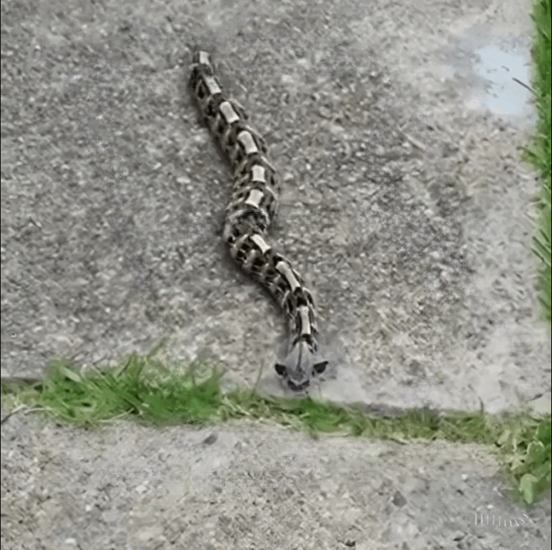
Near the edge of the yard, I noticed a shape lying close to the grass. At first, I thought it might have been a fallen branch, a piece of garden debris, or something left behind by the wind. But when I looked more carefully, I realized that it was moving.
It was a snake.
The discovery immediately changed the atmosphere of an otherwise peaceful morning. Although snakes are a natural part of many outdoor environments, finding one unexpectedly near a home can be frightening, especially when you do not know what species you are looking at or whether it is dangerous.
Some snakes are harmless and help control populations of rodents and other small animals. Others, however, possess highly potent venom and can cause serious medical emergencies if they bite a person.
The important thing to understand is that not every snake is dangerous, and not every snake encounter needs to become a frightening experience. Knowing how to recognize potential risks, maintain a safe distance, and respond appropriately can help protect everyone in the household.
In this article, we explore why snakes sometimes appear in residential gardens, which species are considered among the world’s most dangerous, how to avoid accidental encounters, and what to do if you discover a snake near your home.
Why Finding a Snake in Your Yard Can Be a Serious Surprise
Most people do not expect to encounter a snake while walking through their garden.
A backyard is generally associated with familiar activities such as watering plants, maintaining flower beds, playing with pets, or enjoying time outdoors.
However, gardens are also small ecosystems.
They can provide food, shelter, moisture, and hiding places for different types of wildlife. Depending on the location, snakes may occasionally enter residential properties while searching for food or moving between suitable habitats.
Some snakes spend much of their time hidden beneath vegetation, rocks, wood, or other objects.
Because they are often difficult to notice, a person may walk past a snake without realizing it is nearby.
An unexpected encounter can be particularly concerning when the animal is venomous.
The safest approach is never to assume that a snake is harmless simply because it looks small, moves slowly, or does not appear aggressive.
Likewise, a snake should not automatically be considered dangerous based on its color or appearance.
Correct identification requires reliable information, and many snake species have similar physical characteristics.
If you cannot identify the animal confidently, treat it as potentially venomous and keep your distance.
Understanding Why Snakes Enter Residential Gardens
Snakes do not usually enter gardens because they are looking for people.
In most situations, they are simply responding to environmental conditions.
A residential garden may provide several things that make an area attractive to wildlife.
1. An Available Food Source
One of the main reasons snakes visit residential areas is the availability of food.
Different snake species eat different types of animals, including rodents, frogs, lizards, insects, birds, and other small creatures.
If a garden attracts mice or other small animals, it may also attract snakes that feed on them.
For example, gardens with accessible food waste, bird-feeding areas, or spaces where rodents can hide may provide favorable conditions for certain wildlife.
This does not mean that every garden with rodents will attract snakes.
However, reducing rodent activity can help make residential surroundings less attractive to some snake species.
2. Places to Hide
Snakes often seek sheltered locations where they can remain protected from predators and environmental conditions.
Overgrown grass, piles of leaves, stacked wood, unused materials, and dense vegetation can provide hiding places.
These areas may also attract the small animals that snakes feed on.
Keeping gardens reasonably maintained can reduce the number of places where snakes may remain unnoticed.
However, garden maintenance should always be approached carefully. Never reach blindly into piles of leaves, wood, or other areas where wildlife could be hiding.
3. Warmth and Suitable Temperatures
Snakes are ectothermic animals, meaning that they rely on external environmental sources to regulate their body temperature.
Depending on the species and local climate, they may seek warmer or cooler areas throughout the day.
Rocks, walls, garden structures, and other surfaces can influence the temperatures available in a residential environment.
This is one reason snakes may sometimes be noticed in gardens during particular weather conditions.
Their activity varies according to species, season, temperature, and geographic location.
4. Water and Moisture
Water is another important environmental resource.
Gardens with ponds, irrigation systems, leaking outdoor taps, or other sources of moisture may attract frogs, insects, and other small animals.
Some snake species feed on these animals.
Consequently, a garden with a suitable combination of shelter, water, and food may occasionally attract wildlife.
Maintaining outdoor plumbing and avoiding unnecessary standing water can help improve general garden hygiene.
5. Natural Habitat Changes
Sometimes snakes appear in residential neighborhoods because their natural habitats are changing.
Construction, agricultural activity, landscaping, and other environmental changes can affect the places where wildlife normally lives.
A snake may move through a residential property while searching for a more suitable environment.
This does not necessarily mean that the property has a snake infestation or that the animal intends to remain there.
In many cases, it may simply be passing through.
Some of the World’s Most Dangerous Snakes
The term “dangerous snake” can refer to several different characteristics.
Some snakes have extremely potent venom, while others can inject relatively large quantities of venom during a bite.
The actual risk to humans depends on multiple factors, including the species, the amount of venom injected, the location of the bite, and how quickly medical treatment is provided.
It is also important to understand that a snake’s danger cannot be judged by its size or appearance alone.
Here are several species widely recognized for their medical significance and potentially dangerous venom.
1. Inland Taipan
<escape> </escape>
The