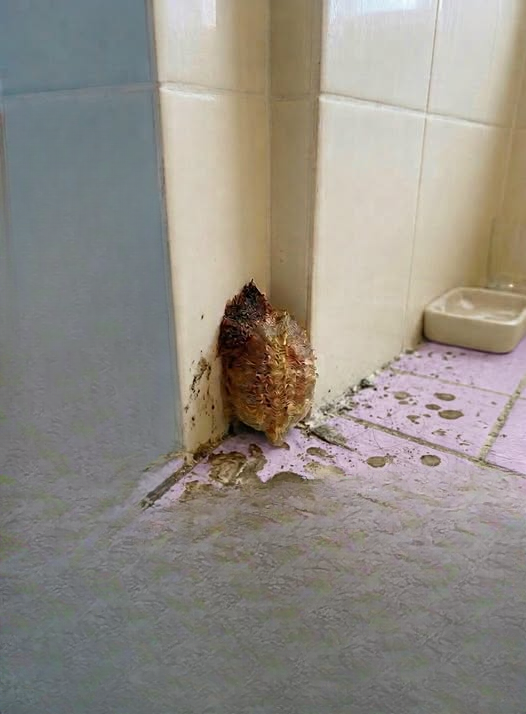
I Returned Home After Ten Days Away and Discovered an Unexpected Change in My Bathroom
Living alone has many advantages. There is freedom to organize a home according to personal preferences, follow an individual schedule, and leave belongings exactly where they were last used. Everyday responsibilities are easier to manage when there is no need to coordinate with other household members, and returning home after a trip can feel like stepping back into a familiar routine.
However, leaving a home unattended for several days can sometimes reveal changes that would otherwise go unnoticed. A small plumbing issue may become more apparent, condensation may collect in an enclosed space, or a damp area may develop signs of microbial growth. Even a room that appeared perfectly clean before departure can look different after a period without regular ventilation or cleaning.
Imagine returning to an apartment after ten days away, opening the bathroom door, and noticing something unexpected near a damp surface. At first glance, it might look like a patch of material that was not there before. Its unusual appearance could raise questions about where it came from, how long it had been developing, and whether it requires professional attention.
Although the exact details of any particular bathroom discovery cannot be established from this brief scenario, the situation highlights a practical subject for homeowners and renters: how moisture, temperature, ventilation, and routine maintenance affect indoor spaces.
Understanding these factors can help people identify potential problems early, respond calmly, and maintain a cleaner and more comfortable home.
Why a Bathroom Can Change While You Are Away
Bathrooms are among the areas of a home most frequently exposed to moisture. Showers, baths, sinks, and plumbing fixtures introduce water into the environment, while warm water can increase humidity in a relatively short period.
Under normal circumstances, ventilation and routine cleaning help control these conditions. An exhaust fan removes humid air, an open window may provide additional airflow where appropriate, and regular drying reduces the amount of moisture left on surfaces.
When a home is unoccupied, some of these routines stop. Nobody uses the bathroom, wipes down the shower, checks corners after bathing, or notices a small change near the sink.
That does not automatically mean a problem will develop. A properly maintained bathroom with good ventilation and no leaks can remain in excellent condition while its occupants are away.
However, certain conditions can make changes more likely.
A slow plumbing leak may continue even when nobody is home. Moist outdoor air can enter through openings, and temperature differences may lead to condensation on cooler surfaces. Water that was already present around a shower seal, window frame, or sink connection may take longer to dry if the area receives little airflow.
If a surface stays damp, some microorganisms may find suitable conditions for growth. In particular, certain types of mold can develop on materials that remain wet or humid.
The important point is that time away from home is not necessarily the cause of the problem. It may simply allow an existing condition to become easier to notice.
What Might Be Growing in a Bathroom?
An unfamiliar patch, film, or textured area can have several possible explanations. Appearance alone is rarely enough to identify it accurately.
Before deciding what to do, it helps to consider the material on which it appears, the surrounding conditions, and whether there are signs of water damage.
Mold on Damp Surfaces
Mold is a type of fungus that can grow on many materials when moisture and suitable nutrients are available. Bathrooms provide potential growing conditions because water is frequently present and humidity can rise during bathing.
Mold may appear as spots or patches in different colors, including white, gray, green, brown, or black. Its texture can vary from powdery to fuzzy or slimy, depending on the species, surface, and stage of growth.
It may develop on grout, silicone sealant, painted walls, ceilings, wood, or materials containing dust and organic residue.
Not every dark stain is mold, and not every fuzzy-looking substance is fungal growth. Mineral deposits, soap residue, dirt, damaged paint, and other materials can sometimes resemble it.
Color is not a reliable way to determine whether a particular mold is more hazardous than another. Identifying a species generally requires appropriate testing, and most routine household decisions should focus first on the moisture source and extent of the affected area.
If a suspected mold patch appears, avoid disturbing it unnecessarily. Scrubbing or scraping a large affected area without suitable precautions may release particles into the air.
Mineral Deposits From Water
Bathrooms often develop white or pale deposits where water repeatedly dries. These marks are commonly associated with minerals left behind by hard water.
They may appear around faucets, showerheads, glass doors, and tiled surfaces. Depending on the amount of mineral content in the water, deposits can build up gradually and create rough or crusty textures.
Mineral buildup generally does not have the same characteristics as fungal growth, but visual identification is not always straightforward.
A small deposit on a hard, nonporous surface may respond to a suitable bathroom cleaner. The correct product depends on the surface material and manufacturer instructions.
Never combine cleaning chemicals, especially products containing bleach with acidic cleaners or ammonia. Mixing household chemicals can release dangerous gases.
Soap Residue and Organic Buildup
Soap, shampoo, body oils, and other bathroom products can leave films on surfaces. When mixed with dust or moisture, these residues may form uneven patches that look unusual.
Residue can collect around shower drains, along the edges of tubs, beneath bottles, or in areas that are difficult to reach during routine cleaning.
In some circumstances, bacteria and other microorganisms may grow within damp organic buildup. A slippery film near a drain, for example, may involve a combination of residue and microbial material.
The appropriate response depends on the surface and the substance involved. Routine cleaning with a suitable product may be sufficient for ordinary soap residue, but persistent growth or a recurring film may indicate that moisture or drainage conditions need attention.
Plant Material or an Unusual Object
Occasionally, an unfamiliar object may be mistaken for something growing. Fibers from a cleaning cloth, material from a damaged seal, debris carried by an insect, or residue from a household product can create unusual shapes and textures.
Without a photograph or a more complete description, it is not possible to determine which explanation fits a particular discovery.
If the substance is unfamiliar, avoid touching it directly until there is a reasonable understanding of what it might be. If it appears to be associated with a leak, damaged building material, or a persistent damp area, investigate the surrounding conditions rather than focusing only on the visible patch.
Why Moisture Is the Main Factor to Investigate
When an unusual substance appears in a bathroom, cleaning the visible area may seem like the obvious first step. However, removing a stain without correcting the conditions that allowed it to form can lead to the same problem returning.
Moisture is one of the most important factors to investigate.
Water can enter bathroom materials through several routes. A shower enclosure may have deteriorating sealant, a sink connection may develop a small leak, or a pipe concealed behind a wall may allow water to escape slowly.
Condensation is another possibility. When humid air meets a cooler surface, water vapor can turn into liquid droplets. This can happen on windows, cold pipes, exterior walls, or other surfaces where temperatures differ from the surrounding air.
Bathrooms with limited ventilation may remain humid for longer periods after bathing. If air does not circulate effectively, damp towels, shower curtains, grout, and other surfaces may take longer to dry.
These conditions do not guarantee mold growth, but persistent moisture increases the likelihood of problems developing.
When inspecting a bathroom, look for more than the visible mark. Check whether nearby surfaces feel damp, whether paint is bubbling, whether sealant has separated, and whether there are signs of water collecting beneath fixtures.
A musty smell can also indicate a moisture issue, although odors alone cannot establish the cause.
If the source is unclear, especially when dampness appears inside a wall or beneath flooring, a qualified plumber or building professional may be able to identify the underlying problem.
The Relationship Between Ventilation and Indoor Air Quality
Ventilation helps remove humid air and replace it with air from outside or another suitable source. In a bathroom, this is particularly important after showers and baths.
An exhaust fan that operates properly can reduce the time moisture remains in the room. However, the fan must be capable of moving air effectively, and its discharge should be directed outdoors rather than into an attic or another enclosed space.
A fan that makes noise but moves little air may not be working as intended. Dust accumulation, blocked ducts, or equipment problems can reduce performance.
Homeowners and renters can take several practical steps to improve airflow:
- Use the bathroom exhaust fan during bathing and continue running it afterward according to the manufacturer’s guidance.
- Keep the fan grille clean and have the system checked if airflow appears weak.
- Open a window when outdoor conditions and household safety permit.
- Leave enough space for air to circulate around damp towels.
- Avoid leaving wet bath mats folded or bunched together for extended periods.
- Wipe excess water from surfaces where it tends to collect.
These actions can make a meaningful difference in bathrooms that experience frequent condensation.
However, ventilation is not a substitute for repairing leaks. If water is continuously entering a wall, ceiling, or floor, removing humid air alone will not correct the source.
Similarly, an air freshener may cover an odor temporarily without resolving the conditions causing it.
A lasting solution usually combines moisture control, appropriate cleaning, and repairs where necessary.
What to Do When You Discover a Suspicious Patch
Returning home to find an unfamiliar substance can be unsettling, particularly when its identity is unclear. A measured approach is generally more useful than immediately assuming the worst.
Step One: Observe Without Disturbing It
Start by looking at the affected area from a reasonable distance. Note its approximate size, location, color, and texture.
Consider whether it appears on a hard surface, painted wall, ceiling, grout line, sealant, or material that may have absorbed water.
Do not touch, scrape, brush, or smell the substance closely to identify it. Disturbing suspected mold or unknown material can expose you to particles that would otherwise remain on the surface.
If you take a photograph for a contractor or property manager, do so without disturbing the material.
Step Two: Check for Moisture
Look for obvious signs of a leak or condensation.
Inspect the visible plumbing connections around sinks and toilets, the edges of the shower, and the areas beneath accessible fixtures. Check whether the floor is wet and whether there are signs of water spreading beyond the immediate location.
Do not remove electrical covers, open sealed plumbing systems, or dismantle building materials to investigate a suspected leak.
If water is actively escaping, stop using the affected fixture if it is safe to do so and contact the appropriate repair professional. If a leak is significant, shutting off the relevant water supply may be necessary.
Step Three: Consider the Extent of the Problem
A small area on a washable, nonporous surface may be manageable with appropriate cleaning, provided the moisture source is understood and the material is not damaged.
A larger affected area, recurring growth, or material that appears to be spreading into walls or ceilings deserves more careful assessment.
There is no single visual rule that can determine whether every affected area is safe to clean without assistance. The material, location, moisture source, and condition of the building all matter.
If the problem is extensive, returns after cleaning, or involves hidden dampness, professional assessment is a sensible choice.
Step Four: Choose the Correct Response
Do not apply a random cleaning product simply because it is available.
Read product labels and confirm that the cleaner is suitable for the material. Follow instructions concerning ventilation, protective equipment, contact time, and rinsing.
Never mix cleaning products. In particular, bleach should not be mixed with vinegar, acidic toilet cleaners, ammonia, or other household chemicals.
If the substance may be mold and the affected material is porous, damaged, or extensively contaminated, cleaning the surface alone may not solve the problem.
Step Five: Address the Cause
After the visible area has been dealt with appropriately, correct the conditions that allowed the problem to develop.
This might involve repairing a leaking pipe, replacing deteriorated sealant, improving ventilation, or allowing damp materials to dry fully.
If the source cannot be identified, a professional can help determine whether the issue involves plumbing, condensation, or water entering through the building structure.
The objective is not simply to make the bathroom look clean. It is to keep the space dry and prevent the same issue from recurring.
Can Mold Affect the Home Environment?
Mold is common in the natural environment, but indoor growth deserves attention when it develops on building materials or remains in occupied spaces.
Dampness and mold can affect indoor air quality, and exposure may cause irritation or allergic symptoms in some people. Individuals with asthma, allergies, or other respiratory sensitivities may be particularly affected.
However, the appearance of a patch does not reveal its species or predict how any particular person will respond to it. It is not possible to determine an individual’s level of risk from color or texture alone.
The practical approach is to reduce exposure, avoid unnecessary disturbance, correct the moisture problem, and arrange appropriate cleaning or remediation.
If household members experience persistent symptoms that seem related to time spent in a damp environment, they can seek advice from a qualified healthcare professional.
People should also take extra care when cleaning potentially moldy areas if they have respiratory conditions, significant allergies, or other circumstances that make exposure more concerning. In such cases, arranging professional assistance may be preferable.
Why Some Bathroom Materials Are More Difficult to Clean
Not every surface responds to moisture in the same way.
Ceramic tile and many other hard, nonporous surfaces are generally easier to clean than porous materials. However, the grout between tiles can absorb moisture, and deteriorated sealant may allow water to collect behind a shower enclosure.
Painted drywall, ceiling panels, wood, and some flooring materials can be more difficult to assess when water has penetrated them.
A surface may appear dry while moisture remains behind it. In other cases, paint may conceal discoloration or damage that becomes visible only after the problem progresses.
This is one reason recurring growth should not be treated solely as a cleaning issue.
If a stain returns repeatedly in the same place, the surface remains damp, or materials begin to soften or deteriorate, it may be necessary to investigate the structure behind the visible area.
Property owners should also follow the recommendations provided by manufacturers for tile, sealant, flooring, and painted surfaces. A strong chemical that works on one material may damage another.
Choosing an appropriate cleaning method helps avoid turning a small maintenance issue into a more expensive repair.
How to Prepare a Bathroom Before Leaving for a Trip
A short inspection before traveling can reduce the likelihood of returning to an unexpected maintenance problem.
There is no need to carry out a major cleaning project every time you leave home. A few routine steps can help keep the bathroom in good condition.
Clean Away Visible Residue
Remove ordinary soap residue and dirt from frequently used surfaces. Rinse away cleaning products as directed and leave surfaces as dry as practical.
This reduces the amount of material that can collect in corners and around fixtures.
Dry Wet Items
Hang towels so that air can circulate around them. Allow bath mats to dry rather than leaving them folded on a wet floor.
Move bottles and containers if water tends to collect beneath them.
Inspect Plumbing Fixtures
Check the sink, toilet, shower, and visible pipe connections for signs of dripping or water accumulation.
Pay attention to changes that have appeared recently, including loose fittings, deteriorated sealant, or damp areas near the base of a fixture.
A small leak can become more troublesome if it continues unattended.
Improve Ventilation
If the bathroom has an exhaust fan, confirm that it operates correctly. Use it as recommended during and after bathing before leaving the property.
Where suitable, ensure that the room is not unnecessarily sealed against airflow. Follow the requirements of the building and the equipment installed.
Deal With Existing Dampness
Do not leave a known leak, persistent condensation problem, or unexplained wet patch unresolved simply because a trip is approaching.
If repairs are needed, arrange them before departure when possible. If the issue cannot be addressed immediately, seek advice about limiting further water damage.
Consider the Entire Home
Bathrooms are not the only places where moisture can cause problems. Kitchens, laundry areas, basements, utility rooms, and spaces around windows may also be vulnerable.
A brief walk through the home can help identify dripping taps, open windows during unsuitable weather, standing water, or other obvious concerns.
These simple checks can provide peace of mind without creating unnecessary work.
What If the Bathroom Smells Different After You Return?
An unfamiliar odor may be one of the first things noticed after a home has been closed for several days.
Different causes are possible. A floor drain may have a dry trap, a plumbing connection may be leaking, a damp towel may have been left in a poorly ventilated area, or moisture may be collecting somewhere out of sight.
A musty odor can be associated with damp materials or microbial growth, but smell alone cannot confirm the presence or identity of mold.
A sewer-like odor may point toward a plumbing issue, while a chemical smell could be related to a cleaning product or another source. Electrical or burning odors should be treated as a separate concern and investigated appropriately.
Instead of trying to cover the odor with fragrance, look for its source.
Check accessible areas, ventilate the room when appropriate, and pay attention to whether the smell is localized or present throughout the home.
If an odor is strong, persistent, or associated with a suspected gas, chemical, or electrical problem, leave the affected area when necessary and contact the appropriate emergency or maintenance service.
For ordinary mustiness, identifying and correcting dampness is more useful than relying on scented products.
Common Mistakes to Avoid When Cleaning an Unfamiliar Substance
When people discover an unusual patch in a bathroom, they may feel pressure to remove it immediately. Several common mistakes can make the situation more difficult.
Using too much cleaning product: More cleaner does not necessarily mean a better result. Excessive use may damage surfaces or leave irritating residues.
Mixing chemicals: Combining bleach with acidic products or ammonia can release dangerous gases. Cleaning products should always be used separately and according to their labels.
Scrubbing before identifying the problem: Aggressive scrubbing may spread particles or damage the surface. If the substance is unknown or the affected area is extensive, assess the situation first.
Ignoring a recurring stain: A patch that returns may indicate persistent moisture or damage beneath the surface.
Painting over discoloration: Paint can temporarily conceal a mark without addressing the reason it appeared. Painting over damp or contaminated material may lead to further problems.
Assuming every dark mark is mold: Dirt, mineral deposits, damaged finishes, and other materials can look similar. The cause should be assessed rather than guessed.
**Using fragrance to cover the