I Nearly Panicked When a House Centipede Ran Across My Floor—Then I Learned Why They’re Actually Helpful
It was well past midnight when I headed to the kitchen for a glass of water. The house was quiet, and the only light came from the small nightlight near the hallway.
As I stepped onto the tile floor, something darted across my path so quickly that I froze.
At first, I couldn’t even tell what I had seen.
It wasn’t a spider.
It wasn’t a beetle.
Whatever it was had dozens of long legs moving so fast they looked like a blur.
For a split second, every horror movie I’d ever watched flashed through my mind.
Then the creature disappeared beneath a cabinet.
The next morning, curiosity replaced fear. I decided to learn exactly what had visited my kitchen—and what I discovered completely changed the way I think about house centipedes.
What Is a House Centipede?
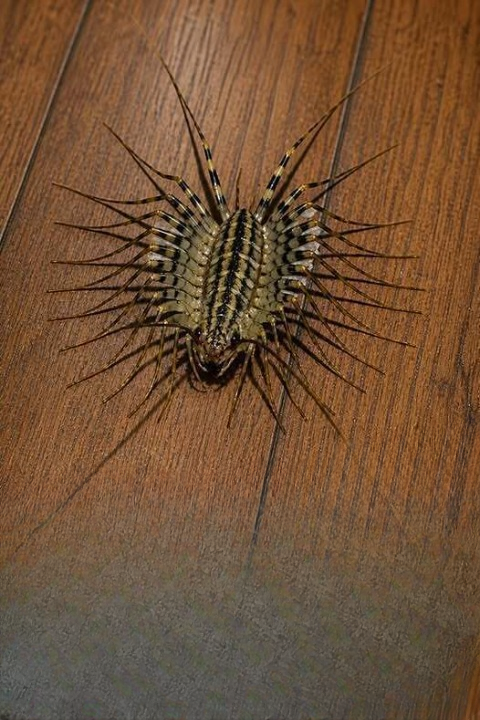
The house centipede is an arthropod commonly found inside homes throughout many parts of the world. Unlike garden centipedes that usually remain outdoors, this species has adapted well to indoor environments.
Its appearance can certainly be startling.
Adults typically have:
- A slender gray or yellowish body
- Long antennae
- Fifteen pairs of legs
- Very fast movement
- Long rear legs that can make the insect appear larger than it really is
Although many people mistake them for dangerous pests, they’re actually quite different from insects that damage homes or contaminate food.
Why Are They So Fast?
One of the first things people notice is their incredible speed.
House centipedes are active hunters rather than scavengers. Their speed helps them catch prey before it can escape.
Instead of building webs or waiting for food to come to them, they patrol walls, ceilings, basements, bathrooms, and other quiet areas searching for insects.
Their quick movements may seem alarming, but they’re simply part of how these animals survive.
What Do House Centipedes Eat?
This was the biggest surprise for me.
House centipedes feed on many of the pests homeowners actually want to eliminate.
Their diet may include:
- Cockroaches
- Silverfish
- Ants
- Termites
- Bed bugs
- Small spiders
- Moths
- Earwigs
- Various insect larvae
In other words, they’re natural predators that help reduce populations of unwanted household pests.
Why They Like Certain Areas of the House
House centipedes prefer cool, damp environments where insects are more likely to be found.
Common hiding places include:
- Basements
- Bathrooms
- Laundry rooms
- Crawl spaces
- Under sinks
- Behind appliances
- Storage areas
If you see one occasionally, it may simply be passing through while hunting.
Seeing several regularly, however, could indicate an underlying insect population that’s providing them with food.
Are House Centipedes Dangerous?
For most people, house centipedes pose very little risk.
They generally avoid human contact and prefer escaping rather than confronting people.
Although they possess venom to subdue small prey, bites are uncommon and typically occur only if the animal is handled directly.
Anyone experiencing unusual symptoms after an insect bite should seek appropriate medical advice.
Why They Appear at Night
House centipedes are primarily nocturnal.
While most homeowners are asleep, these predators become active, searching for insects that also emerge after dark.
That’s why many sightings happen during late-night trips to the kitchen or bathroom.
Turning on a light may reveal one racing across the floor in search of a hiding place.
Should You Remove Them?
Many homeowners choose to remove house centipedes because of their appearance.
If you prefer not to have them indoors, consider using a cup and a piece of paper to gently capture and release them outside.
However, it’s also worth remembering that eliminating the centipede doesn’t address the reason it entered your home in the first place.
Since they rely on other insects for food, reducing household pests often reduces house centipede activity as well.
How to Make Your Home Less Attractive
If you want fewer house centipedes, focus on limiting the conditions they prefer.
Helpful steps include:
- Repair plumbing leaks.
- Reduce indoor humidity.
- Seal cracks around doors and windows.
- Keep storage areas organized.
- Vacuum regularly.
- Address other insect infestations promptly.
- Improve ventilation in damp rooms.
These measures not only discourage centipedes but also help reduce many other household pests.
Common Myths
Several myths contribute to unnecessary fear.
Myth: House centipedes destroy furniture.
Fact: They do not feed on wood, fabric, or household materials.
Myth: They infest food.
Fact: Their diet consists mainly of live insects.
Myth: They’re aggressive toward humans.
Fact: They typically flee when disturbed.
Why They Matter in Nature
Every species plays a role in its ecosystem.
House centipedes help control insect populations naturally, reducing the number of pests that might otherwise multiply indoors.
While many people don’t enjoy seeing them, their presence can indicate they’re feeding on insects you’d probably rather not have in your home.
What I Learned
That late-night encounter completely changed my perspective.
At first, I saw a frightening creature with far too many legs.
After learning more, I realized I was looking at one of nature’s own pest-control specialists.
Do I still enjoy finding one on the bathroom floor?
Not particularly.
But now I understand it’s usually more interested in chasing cockroaches, silverfish, or ants than interacting with me.
Knowledge has a way of replacing fear with understanding.
Final Thoughts
House centipedes may not win any beauty contests, but they are fascinating creatures that quietly help manage populations of common household insects. By understanding why they enter homes, what they eat, and how they behave, homeowners can make informed decisions about whether to remove them or simply reduce the conditions that attract them.
The next time you spot one racing across the floor, you may still jump—but you’ll also know it’s likely on a mission to hunt pests rather than cause problems.