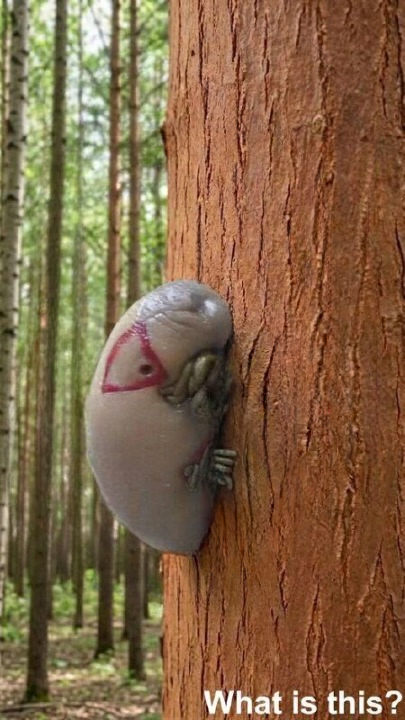
How Unexpected Encounters With Wildlife Can Help Us Appreciate Nature
Nature has a remarkable ability to surprise us during ordinary moments. A quiet walk along a forest trail, an afternoon spent working in the garden, or a short trip outside after rainfall can suddenly become memorable when an unfamiliar creature appears nearby.
Sometimes the animal is small enough to go unnoticed until it moves. It might be an unusual insect resting on a leaf, a frog near a damp pathway, a lizard warming itself on a stone, or a bird searching for food beneath a tree. Whatever the encounter involves, the initial reaction may be curiosity, surprise, or uncertainty.
These experiences can remind us that the natural world is far more diverse than we often realize. Even familiar gardens and neighborhood paths contain countless forms of life, each with its own habits, needs, and place in the environment.
Learning to respond thoughtfully to unfamiliar wildlife can turn a surprising moment into an opportunity for discovery. Instead of immediately assuming that an unusual creature is dangerous or unwanted, we can observe it from a safe distance, learn about its characteristics, and better understand the ecosystem around us.
The Unexpected Moments That Make Nature Memorable
Many people spend time outdoors without paying close attention to the smaller details around them. Daily routines can make familiar surroundings feel predictable, even though wildlife continues to move, feed, reproduce, and adapt nearby.
An unexpected encounter interrupts that routine. A tiny animal crossing a path or an unfamiliar sound coming from a garden may suddenly capture our attention.
The experience can be particularly memorable because it combines surprise with uncertainty. We may not immediately recognize the creature, understand why it is there, or know whether it is simply passing through.
These questions encourage observation. We might notice the animal’s shape, color, movement, or behavior. We may wonder what it eats, where it lives, and how it responds to changes in weather.
Such moments can inspire people to learn more about the natural environment. A person who previously overlooked insects might begin noticing pollinators in the garden. Someone who rarely pays attention to birds may become interested in identifying different calls or observing seasonal migration.
The encounter does not need to involve a rare species or a dramatic event to be meaningful. Sometimes the most interesting discoveries occur close to home, where ordinary surroundings reveal details that were previously overlooked.
Why Unfamiliar Creatures Can Surprise Us
Human beings often rely on familiarity when deciding how to respond to their surroundings. Animals that we regularly see, such as sparrows, butterflies, or squirrels, may seem easy to understand because we recognize their general appearance and behavior.
An unfamiliar creature creates a different response. Its movements may seem unusual, its colors may be striking, or its shape may differ from what we expect.
Without reliable information, it can be difficult to know whether the animal is harmless, defensive, beneficial, or potentially dangerous. That uncertainty may lead some people to step away immediately, while others may become curious enough to investigate.
Both caution and curiosity can be useful when balanced appropriately.
Curiosity encourages learning, but it should not lead someone to touch, capture, or approach an animal without understanding the risks. Caution helps protect people and wildlife, particularly when the species cannot be identified confidently.
The best response is often to pause, maintain a safe distance, and observe without interfering.
A creature that initially looks strange may turn out to be an ordinary local species performing a familiar task, such as feeding on insects, dispersing seeds, or seeking shelter from changing weather.
Learning about these behaviors can replace uncertainty with a clearer understanding of the animal’s role in the environment.
A Closer Look at the Small World Around Us
Wildlife is not limited to remote forests, national parks, or distant wilderness areas. It exists in towns, cities, gardens, fields, and even narrow strips of vegetation beside roads.
Small creatures are especially easy to overlook because many are active only at particular times or remain concealed among plants, soil, rocks, and fallen leaves.
After rainfall, for example, earthworms may become more visible near the soil surface, while frogs and other moisture-dependent animals may be easier to notice in suitable habitats. Some insects become more active during warm periods, and certain species seek sheltered places when temperatures change.
These patterns vary by species, season, and local climate. Still, they demonstrate how weather can influence wildlife activity and make familiar places appear different from one day to the next.
A garden can provide a useful introduction to this diversity. Flowers attract pollinators, healthy soil supports numerous small organisms, and shrubs offer shelter for birds and other animals.
Even a modest outdoor space may contain several interconnected forms of life. Insects feed on plants, spiders consume other small animals, birds search for insects and seeds, and decomposers help return nutrients to the soil.
Observing these relationships helps explain why an unfamiliar creature may be present. Rather than appearing without purpose, it may be responding to food, moisture, shelter, or a suitable breeding habitat.
The more we learn about these connections, the easier it becomes to see a garden as part of a larger living system.
Understanding Before Making Assumptions
When people encounter an unusual animal, the first impression can strongly influence their response. A creature with many legs, an unusual pattern, or rapid movements may appear unpleasant or intimidating.
However, appearance alone is not a reliable way to determine an animal’s behavior or level of risk.
Some animals have defensive features that look alarming but are mainly intended to discourage predators. Others use camouflage to avoid being noticed. Certain species move quickly because they are escaping danger rather than attempting to approach people.
There are also animals that should genuinely be treated with caution, including some venomous snakes, spiders, and stinging insects. The important distinction is that responsible identification relies on accurate information rather than assumptions based solely on appearance.
If you cannot identify a creature, do not handle it. Observe it from a safe distance and consult a trustworthy field guide, local wildlife authority, or qualified specialist if identification matters.
Photographs can sometimes help, provided they can be taken without approaching or disturbing the animal. However, a picture may not capture the features necessary for reliable identification, particularly when the animal is small, partly hidden, or photographed in poor lighting.
It is perfectly reasonable to remain cautious while still recognizing that unfamiliarity does not automatically mean danger.
This approach encourages a healthier relationship with wildlife. It allows people to protect themselves without treating every unusual creature as a threat that must be removed.
The Important Roles of Small Animals
Small animals often perform essential ecological functions that are easy to miss when we focus only on larger wildlife.
Bees, butterflies, moths, and other pollinators help many plants reproduce. As they move between flowers, they transfer pollen that allows plants to produce seeds and, in many cases, fruits.
Earthworms and numerous other soil organisms contribute to the movement and breakdown of organic material. Their activity can help improve soil structure and nutrient cycling, although the effects vary among species and environments.
Spiders and many predatory insects feed on other small animals, including some species that people consider garden pests. Birds, amphibians, reptiles, and mammals may depend on these smaller organisms as sources of food.
Decomposers, including fungi and microorganisms, break down dead plant material and other organic matter. This process returns nutrients to the environment and supports new growth.
These relationships form complex food webs. Removing one species can sometimes influence other organisms, although the consequences depend on the species and the ecosystem involved.
This does not mean that every animal should be allowed into every part of a home or garden. Some species can damage crops, transmit disease, or pose safety concerns. It does mean that decisions about wildlife are best made with an understanding of the specific animal and the circumstances.
A small creature that appears inconvenient may be playing a useful role nearby. Learning what it is can help homeowners decide whether any action is necessary.
How Gardens Become Habitats for Wildlife
Gardens are often designed around human preferences, including flowers, lawns, paths, seating areas, and decorative features. Yet these spaces can also provide food and shelter for wildlife.
Flowering plants supply nectar and pollen. Trees and shrubs offer nesting sites and protection. Fallen leaves create shelter for small organisms, while healthy soil supports a wide variety of life beneath the surface.
The structure of a garden can influence which animals visit. A space with diverse plants may attract different species from a garden consisting almost entirely of closely mown grass.
Water sources can also affect wildlife activity. Ponds, birdbaths, and damp areas may attract birds, insects, amphibians, and other animals, depending on local conditions.
Even small changes can make a difference. Planting locally appropriate flowers, maintaining a range of vegetation heights, and avoiding unnecessary pesticide use can support biodiversity.
At the same time, homeowners can maintain clear walkways, inspect areas where children play, and keep dense vegetation away from frequently used entrances if that suits their needs.
Supporting wildlife does not require sacrificing comfort or safety. It is possible to create a garden that is attractive to people while providing suitable habitat for beneficial species.
The key is to understand which animals are present and manage the space thoughtfully.
Why Responsible Observation Matters
Watching wildlife can be rewarding, but the way we observe animals affects both their well-being and our own safety.
The most responsible approach is to allow creatures to behave naturally without unnecessary interference.
Avoid picking up unfamiliar animals, blocking their escape routes, or attempting to move them with household objects. Even small animals may bite, sting, scratch, or release defensive substances when frightened.
Handling can also injure wildlife. Some animals have delicate bodies, while others are vulnerable to stress, changes in temperature, or the oils and chemicals present on human hands.
If you encounter an animal resting in your garden, give it room to move away. If it appears injured, trapped, or unable to leave a dangerous location, contact an appropriate wildlife rescue organization or local authority for advice.
Do not assume that an animal needs rescuing simply because it is alone. Young birds and other wildlife may spend time away from their parents while learning to move and forage. The correct response depends on the species and circumstances, so seek qualified guidance before intervening.
If an animal presents an immediate risk to people or pets, keep everyone away and contact the relevant local service.
Responsible observation means recognizing that wildlife is not an exhibit created for human entertainment. The animal’s needs and natural behavior should guide our actions.
Children Can Learn From Small Discoveries
Unexpected encounters with wildlife can be valuable learning experiences for children.
A child who notices a beetle beneath a leaf or a frog near a garden pond may begin asking questions about how animals move, what they eat, and where they live. These questions can lead to discussions about habitats, food chains, life cycles, and environmental responsibility.
Adults can encourage curiosity by helping children observe carefully rather than immediately touching or collecting the animal.
For example, they might ask the child to describe its color, number of legs, movement, or location. The child can then compare those observations with information from a suitable nature guide.
This approach develops observation skills while teaching an important lesson: not everything unfamiliar needs to be handled to be understood.
Children should also learn basic wildlife safety. They should avoid touching unknown animals, keep away from nests and dens, and tell an adult when they discover a creature they cannot identify.
When observing wildlife outdoors, children should remain supervised in areas where potentially dangerous animals occur. Adults can explain that some species require extra distance and that a professional should handle situations involving animals that may be venomous or injured.
Nature education does not need expensive equipment. A notebook, a pencil, and a guide to local wildlife can be enough to begin recording observations.
Over time, children may discover that the natural world contains many interesting details that are easy to miss when they are focused only on screens or scheduled activities.
The Connection Between Nature and Everyday Well-Being
Spending time outdoors can offer a welcome change from busy routines. Walking through a park, tending plants, or sitting quietly in a garden creates opportunities to notice sounds, textures, weather, and movement.
Observing wildlife adds another dimension to these experiences. Watching a bird search for food or noticing insects moving between flowers can encourage a person to slow down and pay attention to the immediate surroundings.
Some people find these activities relaxing because they provide a break from work, household responsibilities, and digital distractions. Others enjoy the sense of discovery that comes from learning to identify local species.
Outdoor experiences differ from person to person, and no single activity guarantees a particular emotional or health outcome. Nevertheless, spending time in accessible green spaces can be a practical way to build an appreciation for nature and establish enjoyable routines.
You do not need to travel to a remote location to benefit from outdoor observation. A balcony with plants, a neighborhood park, or a small garden may offer plenty of opportunities to notice wildlife.
The important p