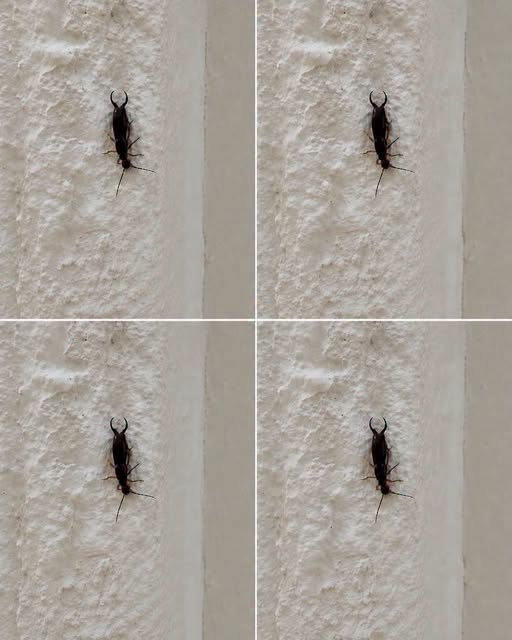
Finding an unfamiliar insect inside your home can be surprising, especially when you don’t remember seeing anything like it before.
You may notice a tiny insect near a window, discover one in the bathroom, or spot several around the kitchen, basement, garage, or garden.
And naturally, one question comes to mind:
Why is it here?
While an unexpected insect can sometimes indicate that conditions around your home are attracting pests, its presence doesn’t automatically mean that your house has a serious problem.
Insects enter homes for many ordinary reasons.
Some are attracted to light.
Others are looking for moisture, warmth, food, or shelter.
Some simply wander inside through an open door or small gap.
That’s why identifying the insect and understanding its behavior is much more useful than immediately assuming the worst.
Why Do Insects Enter Homes?
Your home provides many things insects may be looking for.
During colder weather, some insects search for warm places where they can shelter.
During hot or dry periods, others may be attracted to areas with moisture.
Food odors can also attract insects, particularly around kitchens, garbage containers, pet-food bowls, and areas where crumbs accumulate.
Even something as simple as a bright light near an open window can attract flying insects from outside.
In other words, finding an insect indoors doesn’t necessarily mean your home is dirty or poorly maintained.
Sometimes, it simply means that the insect found an easy way inside.
One Insect Doesn’t Always Mean an Infestation
This is an important distinction.
Finding one insect occasionally is very different from repeatedly seeing large numbers of them.
A single beetle, moth, spider, ant, or other small creature may have entered accidentally.
You might never see another one.
However, repeatedly finding the same type of insect can suggest that something around the property is providing food, moisture, shelter, or access.
That’s when it becomes useful to investigate further.
Pay attention to where you’re seeing them and how frequently they appear.
Check Windows and Doors
One of the easiest ways insects enter a home is through doors and windows.
Small gaps around frames can provide an entry point.
Damaged window screens can also make it easier for flying insects to enter.
Take a walk around your home and inspect screens, door frames, and other openings.
Look for visible gaps or damaged seals.
Keeping screens in good condition and making sure exterior doors close properly can reduce opportunities for insects to enter.
Moisture Can Attract Certain Insects
Another factor worth considering is moisture.
Bathrooms, kitchens, laundry rooms, basements, crawl spaces, and areas near leaking pipes can provide favorable conditions for some insects.
If you’ve suddenly started noticing insects in one particular room, check for signs of excess moisture.
Look beneath sinks.
Inspect around plumbing connections.
Look for damp areas.
Check whether water is collecting near windows or appliances.
Fixing a moisture problem can sometimes make the area considerably less attractive to unwanted visitors.
Don’t Forget About Food Sources
Food is another common reason insects appear indoors.
Small crumbs and food residue may be enough to attract certain species.
Keep counters clean and store food in sealed containers when practical.
Don’t leave pet food sitting out longer than necessary.
Empty household garbage regularly, especially when it contains food waste.
These simple habits can reduce potential food sources.
Outdoor Lighting May Also Play a Role
Have you ever noticed insects gathering around outdoor lights at night?
Light can attract many flying insects.
If a door is frequently opened near a bright outdoor light, some of those insects may eventually make their way indoors.
This doesn’t mean you need to turn your entire property dark.
However, reducing unnecessary outdoor lighting or using lighting positioned farther away from entrances can sometimes help reduce the number of insects gathering directly around doors.
Look at the Location Where You Found the Insect
Where you discover an insect can provide useful clues.
If you find one near a window, it may have entered from outside.
If you repeatedly find insects beneath a sink, moisture could be worth investigating.
If they appear around stored food, check packaging and pantry conditions.
If you find them in a basement or garage, the area may provide shelter or environmental conditions they prefer.
The location doesn’t prove the cause, but it can help you determine where to look first.
Try to Identify What You Found
Before reaching for a household pesticide, try to identify the insect.
A clear photograph can be extremely useful.
Take a picture from several angles if possible.
Pay attention to its size, color, body shape, number of legs, wings, and any distinctive markings.
If you aren’t sure what it is, consider asking a local pest professional, agricultural extension service, or other qualified identification resource.
Correct identification matters because different insects require different approaches.
You don’t want to use an unnecessary treatment simply because you assumed an insect was something it wasn’t.
When Should You Investigate Further?
Seeing one insect isn’t usually a reason to panic.
But repeated sightings deserve a closer look.
Consider investigating further if:
- You repeatedly find the same insect indoors.
- You notice many insects in a short period.
- You find insects in multiple rooms.
- You discover signs of damage to food, clothing, wood, or other materials.
- You notice moisture or leaks in areas where insects are appearing.
- You find insects emerging from a particular crack, wall opening, cabinet, or storage area.
These signs don’t necessarily indicate a serious infestation, but they suggest that identifying the source would be worthwhile.
Keep Your Home Less Attractive to Unwanted Visitors
There are several straightforward preventative steps you can take.
Keep food properly stored.
Clean up spills and crumbs promptly.
Repair dripping faucets and plumbing leaks.
Keep garbage containers closed.
Maintain window screens.
Seal obvious gaps around doors and windows.
Keep clutter under control in storage areas.
Remove standing water around the property when possible.
These measures won’t prevent every insect from ever entering your home, but they can reduce the conditions that attract many common household pests.
Be Careful With Pest-Control Products
It’s tempting to reach for a spray immediately when you see an unfamiliar insect.
However, using pesticides without knowing what you’re dealing with isn’t always necessary.
Always read and follow the product label if you use a pest-control product.
Keep products away from children and pets as directed.
If you’re dealing with a recurring or extensive pest problem, consider consulting a qualified pest-control professional who can identify the issue and recommend an appropriate solution.
Don’t Let Viral Headlines Create Unnecessary Fear
Online posts about insects often use dramatic language such as “warning,” “danger,” or “this is a sign.”
Those headlines can get attention, but they don’t necessarily provide useful information.
An insect appearing in your home does not automatically mean that your house is contaminated, unsafe, or suffering from a major infestation.
The more useful questions are:
What insect is it?
Why might it be entering the home?
Are there signs of repeated activity?
Is there a source of food, moisture, or shelter nearby?
Answering those questions will give you a much clearer picture.
The Bottom Line
Finding an unfamiliar insect inside your home can certainly make you curious, but there’s no need to immediately assume the worst.
In many cases, the insect simply wandered indoors while looking for food, shelter, moisture, or a more comfortable environment.
One occasional visitor may not mean anything significant.
Repeated sightings, however, can be a reason to inspect your home for potential entry points, moisture problems, food sources, or other conditions that may be attracting them.
The best response is not panic.
It’s observation.
Take a photograph, identify the insect if possible, examine the area where you found it, and look for patterns.
Once you understand what brought it inside, you’ll be in a much better position to decide whether you need to take further action.
So if you find an unfamiliar insect in your home, don’t immediately assume it’s a warning of something serious.
Instead, use it as a reason to take a closer look at your surroundings—and you may discover that the explanation is much simpler than you expected.