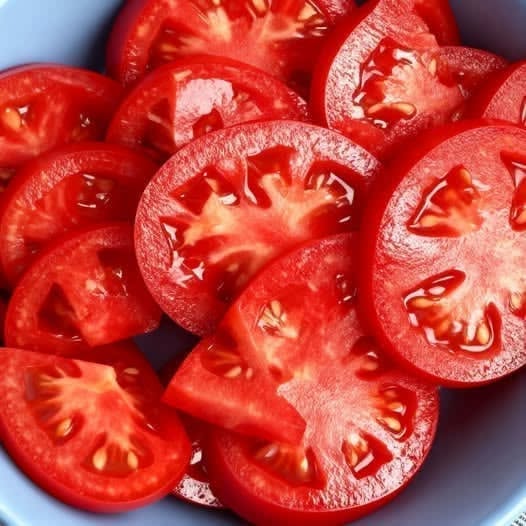
Tomatoes are one of those foods that seem to appear everywhere.
They are added to salads, sandwiches, soups, sauces, pasta dishes, pizzas, and countless home-cooked meals. Some people enjoy them fresh from the garden, while others prefer them cooked, blended, or combined with herbs and spices.
Because tomatoes are so common, it is easy to overlook just how much nutrition they can contribute to an everyday diet.
But what actually happens when you eat tomatoes regularly?
Does preparation make a difference?
Are fresh tomatoes better than cooked ones?
And are there situations in which someone might want to be more careful about how many tomatoes they consume?
The answers are more interesting than a simple headline suggesting that tomatoes automatically cause one particular result.
Tomatoes Are Packed With Nutrients
Tomatoes contain several nutrients and naturally occurring plant compounds that can contribute to a balanced diet.
They provide vitamin C, vitamin K, potassium, folate, and other nutrients, while also containing antioxidants and carotenoids.
One of the compounds that receives considerable attention is lycopene.
Lycopene is a naturally occurring pigment that gives many tomatoes their familiar red color. It belongs to a group of plant compounds called carotenoids.
Scientists have studied lycopene because of its antioxidant properties and its presence in many commonly consumed tomato products.
This doesn’t mean that eating tomatoes is a cure or treatment for a disease.
Instead, tomatoes can be one nutritious component of an overall eating pattern that includes a variety of fruits, vegetables, whole grains, protein sources, and other nutrient-rich foods.
Fresh Tomatoes and Cooked Tomatoes Are Not Exactly the Same
One particularly interesting fact about tomatoes is that preparation can influence their nutritional characteristics.
Fresh tomatoes are a convenient source of nutrients and can be eaten in countless ways.
However, cooking tomatoes can change the availability of certain compounds.
Lycopene, for example, can become more readily available to the body after tomatoes are processed or cooked.
This is one reason tomato paste, cooked tomato sauces, and other tomato-based foods can still be nutritious choices.
The important point is that there isn’t necessarily one “perfect” way to eat tomatoes.
Fresh and cooked tomatoes can both have a place in a varied diet.
What About Tomato Juice?
Tomato juice is another popular option.
It can provide some of the nutrients found in tomatoes, but there is an important distinction between whole tomatoes and processed tomato drinks.
Some commercial tomato juices contain significant amounts of sodium.
If someone is trying to reduce their sodium intake, checking the nutrition label can be helpful.
Choosing a lower-sodium variety or eating whole tomatoes may be preferable depending on individual dietary needs.
As with many foods, the overall product matters just as much as the main ingredient.
Tomatoes and Heart-Friendly Eating Patterns
Tomatoes can fit comfortably into eating patterns designed around vegetables, fruits, legumes, whole grains, nuts, seeds, and other nutrient-dense foods.
Their potassium content is one reason they can be part of a balanced diet.
Potassium is an essential mineral involved in normal muscle function, nerve signaling, and fluid balance.
However, nutrition doesn’t work like a single-food formula.
Eating tomatoes doesn’t automatically guarantee a particular health outcome.
Overall dietary habits, physical activity, sleep, genetics, existing health conditions, and many other factors all play roles in long-term health.
That is why it’s better to think of tomatoes as one useful food rather than a miracle ingredient.
Some People May Experience Digestive Discomfort
Although tomatoes are perfectly suitable for many people, some individuals may notice digestive discomfort after eating them.
Tomatoes are acidic, and certain people may find that tomato-based foods aggravate symptoms associated with acid reflux or heartburn.
This doesn’t mean everyone with reflux must avoid tomatoes.
Individual responses can vary considerably.
Someone may tolerate a small amount without difficulty but notice symptoms after eating a large serving of tomato sauce.
If a particular food consistently causes discomfort, discussing the symptoms with a qualified healthcare professional can be more useful than relying on generalized online claims.
Tomatoes and Allergies
True tomato allergies are possible, although they are not among the most common food allergies.
A person who experiences symptoms such as swelling, hives, breathing difficulty, or other concerning reactions after eating a particular food should seek appropriate medical advice.
A suspected food allergy shouldn’t be diagnosed based on an internet article or social-media post.
Professional evaluation can help determine whether an allergy or another food-related sensitivity is actually involved.
Why Tomatoes Have Such a Strong Flavor
There is also a fascinating culinary reason tomatoes are so popular.
They contain compounds that contribute to their distinctive combination of sweetness, acidity, and savory flavor.
That makes them extremely versatile.
A tomato can be eaten raw with a little olive oil and seasoning.
It can be roasted to develop a richer flavor.
It can be simmered into a sauce.
It can be blended into soup.
It can also be combined with other vegetables, herbs, grains, and proteins.
This versatility makes it easier for many people to include tomatoes in regular meals without getting bored.
Does Eating Tomatoes Every Day Make Sense?
For most people, eating tomatoes regularly can be a perfectly reasonable part of a varied diet.
But there is no requirement to eat them every day.
Healthy eating is about patterns rather than individual foods.
If you enjoy tomatoes, there are plenty of ways to include them.
If you don’t like them, you can obtain many nutrients and plant compounds from other fruits and vegetables.
Variety is valuable because different foods provide different combinations of nutrients.
A colorful plate often reflects a broader range of plant foods.
Tomato Sauce Deserves a Closer Look
Here’s where things can become interesting.
When people hear that tomatoes are nutritious, they may assume every tomato-based product is equally beneficial.
That’s not necessarily the case.
A homemade tomato sauce containing tomatoes, herbs, vegetables, and a moderate amount of added fat can be quite different from a highly processed sauce containing substantial amounts of sodium, added sugar, or other ingredients.
Reading labels can help.
Instead of focusing solely on whether a product contains tomatoes, look at the complete nutrition information.
This is a useful habit for almost every packaged food.
Tomatoes Can Be an Easy Way to Add Vegetables
One of the simplest advantages of tomatoes is convenience.
A sliced tomato can instantly add color and freshness to a meal.
Chopped tomatoes can be mixed into a salad.
Cherry tomatoes can make an easy snack.
Cooked tomatoes can form the foundation of soups and sauces.
That versatility can make it easier for people to increase their vegetable intake.
And when healthy foods are convenient and enjoyable, people may be more likely to include them consistently.
What About the Seeds and Skin?
Some people remove tomato skins and seeds because of texture or personal preference.
Others eat the entire tomato.
The skin and seeds are naturally part of the fruit and contribute to its overall nutritional content.
There is generally no need to remove them simply because of a widespread internet claim.
However, cooking preferences are personal.
If someone enjoys tomatoes peeled or strained, they can still include them as part of a varied eating pattern.
Nutrition Is About the Bigger Picture
Perhaps the most important takeaway is that no single food determines whether someone’s diet is healthy.
Tomatoes can contribute nutrients.
So can spinach, carrots, berries, beans, whole grains, nuts, seeds, fish, eggs, and many other foods.
The strongest approach is usually to build meals around a variety of minimally processed foods while paying attention to individual nutritional needs.
That is much more realistic than searching for one food that supposedly produces an instant transformation.
A Simple Way to Enjoy More Tomatoes
If you want to include more tomatoes in your meals, you don’t need a complicated recipe.
Try adding sliced tomatoes to a sandwich.
Mix chopped tomatoes with cucumber, herbs, and a simple dressing.
Roast them alongside other vegetables.
Add them to a bean or vegetable soup.
Use a tomato-based sauce with whole-grain pasta and additional vegetables.
Or simply enjoy a ripe tomato with a little seasoning.
Small changes can make nutritious foods easier to incorporate into everyday meals.
Final Thoughts
The next time you see a dramatic claim suggesting that doctors have discovered tomatoes “cause” one surprising result, take a moment to look for the full context.
Tomatoes are nutritious foods containing vitamins, minerals, and plant compounds such as lycopene.
They can be enjoyed fresh or cooked, and they can fit into many different styles of eating.
At the same time, individual responses vary. Some people may experience digestive discomfort from acidic foods, while others can enjoy tomatoes without any problem.
The bigger lesson is that nutrition is rarely about one food being completely good or bad.
A balanced diet is built from variety, moderation, and consistency.
So rather than worrying about sensational claims, consider the simple reality: tomatoes can be a flavorful and nutrient-rich addition to many meals.
And perhaps the most surprising thing about them isn’t a hidden danger at all.
It’s just how much nutritional value can be packed into such an ordinary ingredient.