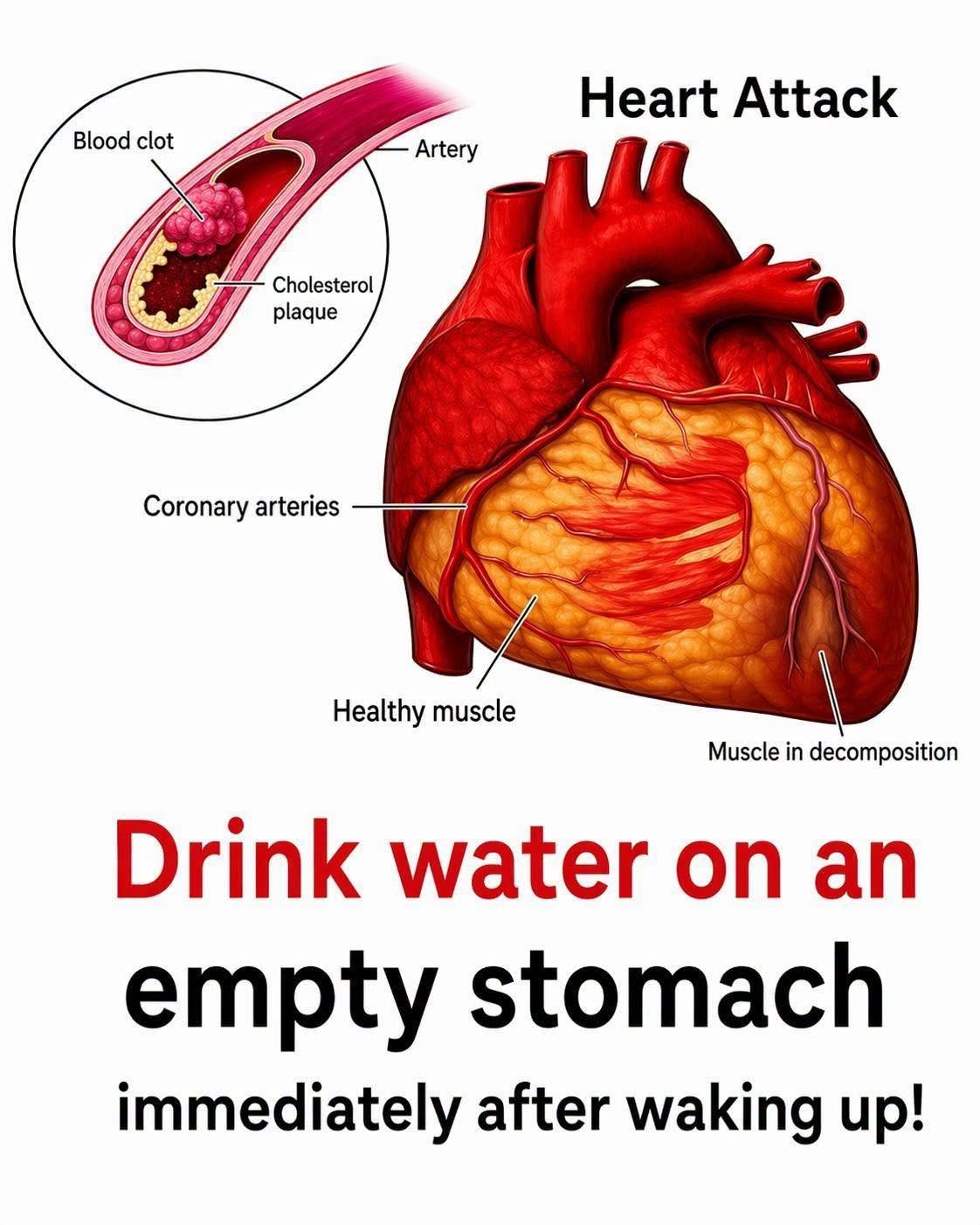
Have you ever woken up in the morning feeling thirsty and immediately reached for a glass of water?
For many people, drinking water shortly after waking up is simply part of their daily routine. Others have heard that drinking water on an empty stomach can provide special health benefits and wonder whether there is any truth behind those claims.
Water is unquestionably important for the body. It supports normal physiological processes, helps regulate body temperature, and is essential for many functions throughout the day.
But there is an important distinction between saying that adequate hydration is beneficial and claiming that drinking water at one particular time—such as immediately after waking up—has extraordinary effects.
The reality is more practical.
Drinking water in the morning can be a simple way to begin your day hydrated, especially if you wake up thirsty or haven’t had anything to drink for several hours. However, your body doesn’t require a special morning “detox” routine, and drinking water on an empty stomach isn’t a proven cure for specific diseases.
Understanding what water actually does can help separate useful habits from exaggerated claims.
Why Do You Feel Thirsty After Sleeping?
During the night, you typically go several hours without drinking.
Your body continues to lose small amounts of water through breathing, sweating, and urination while you sleep.
Depending on the temperature of your bedroom, how much you drank during the previous evening, your activity level, and individual factors, you may wake up feeling thirsty.
For many people, having a glass of water in the morning simply replaces some of the fluid they haven’t consumed overnight.
That’s a perfectly reasonable reason to drink water.
You don’t need a complicated explanation.
Is Drinking Water on an Empty Stomach Different?
Water enters your digestive system whether you’ve recently eaten or not.
Drinking it before breakfast can feel different from drinking it with or after a meal, but there is no strong reason to believe that an empty stomach magically transforms water into a special health treatment.
The body regulates hydration continuously.
What matters most is your overall fluid intake and individual needs throughout the day rather than whether every glass is consumed before food.
If you enjoy drinking water before breakfast, there’s generally nothing unusual about making it part of your routine.
If you prefer to drink water with breakfast or later in the morning, that’s fine too.
Can Morning Water Support Hydration?
Yes.
Adequate hydration is important for normal body function.
Water is involved in circulation, temperature regulation, digestion, and many other physiological processes.
Starting the day with a glass of water can be an easy reminder to drink regularly.
This can be particularly useful for people who tend to forget to drink during busy mornings.
However, there isn’t a universal amount that every person needs at exactly the same time.
Fluid requirements can vary depending on factors such as body size, physical activity, climate, diet, age, pregnancy, and certain medical conditions.
Does Drinking Water “Flush Out” Toxins?
This is one of the most common claims associated with morning water routines.
You may see statements suggesting that drinking a large amount of water immediately after waking up will flush harmful toxins from the body.
That’s an oversimplification.
Your body already has systems that process and remove waste, including the kidneys and liver.
Water is important for normal kidney function and overall physiology, but drinking excessive amounts doesn’t create a magical detox effect.
Your body does not need a special morning cleansing ritual to begin functioning.
A consistent, balanced lifestyle is far more meaningful than trying to “flush” your system with large quantities of water.
Can Water Help With Digestion?
Water is important for normal digestion.
Adequate fluid intake can contribute to normal bowel function, particularly when combined with sufficient dietary fiber and regular physical activity.
However, claims that a glass of water on an empty stomach will completely reset or cleanse the digestive system go beyond what is supported by ordinary nutrition science.
If you regularly experience constipation, abdominal pain, persistent bloating, or other digestive symptoms, it’s better to investigate the underlying issue rather than relying on a morning water ritual.
Can Drinking Water Help You Eat More Mindfully?
For some people, having water in the morning may indirectly support healthier habits.
For example, someone who drinks water after waking may become more conscious of their overall hydration and food choices throughout the day.
Water is also generally a low-calorie beverage, so choosing it instead of sugary drinks can reduce the amount of added sugar and calories consumed from beverages.
That doesn’t mean water itself is a weight-loss treatment.
Rather, replacing sugary drinks with water can be one practical component of a balanced eating pattern.
What About Drinking Water Before Meals?
Some people prefer drinking water before meals.
This can be a comfortable habit, although the effect can vary between individuals.
For some people, drinking water before eating may temporarily increase a feeling of fullness.
However, it shouldn’t be treated as a guaranteed strategy for controlling appetite or losing weight.
If you’re trying to manage your weight, the overall quality and quantity of your diet, physical activity, sleep, and other factors are much more important than the timing of one glass of water.
How Much Water Should You Drink in the Morning?
There isn’t a magic number that everyone needs.
You may see recommendations online suggesting that every person should drink a specific large quantity immediately after waking.
Such advice doesn’t account for individual differences.
A better approach is to drink according to thirst and your overall hydration needs while following any medical advice you’ve been given.
People who exercise heavily, spend time in hot environments, or lose significant fluid through sweating may need more fluids.
On the other hand, some people with certain medical conditions may have specific fluid restrictions.
If a healthcare professional has told you to limit fluids, follow that advice rather than adopting a generic internet hydration challenge.
Can You Drink Too Much Water?
More isn’t always better.
Drinking an excessive amount of water in a short period can be dangerous because it can dilute the sodium concentration in the blood.
This condition, known as hyponatremia, can become serious.
For that reason, there is no benefit to forcing yourself to consume huge quantities of water simply because someone online says that more water means better health.
Hydration should be sensible and appropriate for your circumstances.
What Is the Best Morning Beverage?
For many people, plain water is an excellent choice because it provides hydration without added sugar.
You can also obtain fluids from other beverages and from foods with high water content.
Tea, milk, soups, fruits, vegetables, and other foods can contribute to overall fluid intake.
The best choice can depend on your personal preferences and nutritional needs.
The important thing is not to become obsessed with one specific morning beverage as though it were a medical treatment.
What If You Don’t Like Drinking Water?
Not everyone enjoys plain water.
If you struggle to drink enough, you can make it more appealing by keeping it chilled, adding slices of lemon or another fruit for flavor, or using sparkling water if you enjoy carbonation.
Foods with high water content can also contribute to hydration.
Another useful strategy is simply keeping a water bottle nearby.
Small reminders throughout the day can be more sustainable than forcing yourself to drink a large amount all at once.
Morning Hydration and Exercise
If you exercise in the morning, hydration becomes especially relevant.
Starting exercise while dehydrated can affect how you feel and perform, particularly during longer or more intense activity.
Your fluid needs depend on the duration and intensity of exercise, temperature, humidity, and how much you sweat.
For ordinary light activity, drinking according to thirst may be sufficient for many people.
For prolonged or intense exercise, individualized hydration strategies may be appropriate.
If you participate in endurance sports or train in extreme conditions, professional guidance can help you develop a suitable plan.
What If You Have a Medical Condition?
People with certain medical conditions may have different fluid requirements.
For example, some individuals with heart, kidney, or liver conditions may receive specific instructions about fluid intake.
Certain medications can also affect hydration or electrolyte balance.
If you have been given medical instructions about how much fluid to drink, those instructions should take priority over general advice found online.
When in doubt, ask your healthcare professional.
A Simple Morning Routine
If you enjoy drinking water after waking, there’s no need to make the routine complicated.
You could simply:
-
Drink a glass of water when you feel thirsty.
-
Eat a balanced breakfast if you normally have one.
-
Continue drinking fluids throughout the day.
-
Include fruits and vegetables as part of your meals.
-
Adjust your fluid intake based on activity and weather.
-
Pay attention to your body’s signals.
There is no need to force down an enormous amount of water immediately after waking.
Consistency is more useful than extreme routines.
Final Thoughts
So, what happens if you drink water on an empty stomach?
For most people, it is simply a convenient way to begin the day with some fluid.
Water supports normal body functions and is an important part of a healthy lifestyle. Drinking it in the morning can be especially helpful if you’re thirsty after several hours of sleep or if it encourages you to maintain good hydration habits throughout the day.
But there is no need to believe every dramatic claim attached to the habit.
Drinking water on an empty stomach isn’t a magical detox, a guaranteed weight-loss method, or a cure for health conditions.
Your body already has sophisticated systems for maintaining fluid balance and removing waste.
The bigger picture matters much more: drink an appropriate amount of fluid throughout the day, eat a varied diet, stay physically active, sleep adequately, and follow medical advice that applies to your individual circumstances.
Sometimes the healthiest habit is also the simplest one.
Keep a glass or bottle of water nearby, listen to your thirst, and make hydration a normal part of your day rather than turning it into a complicated health challenge.