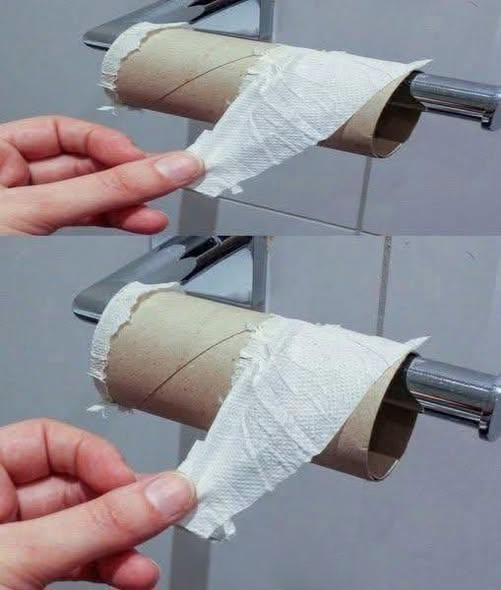
For generations, toilet paper has been one of the most familiar household products in the world. It’s inexpensive, easy to find, and considered an everyday necessity in many countries. Most people rarely think about it unless they unexpectedly run out or notice changing prices at the store.
Yet as technology continues to influence nearly every aspect of daily life, conversations about bathroom hygiene are also beginning to evolve.
Rather than asking whether toilet paper will suddenly disappear, many experts and manufacturers are exploring how new products and environmentally conscious solutions might complement—or in some households gradually reduce reliance on—traditional toilet paper.
While toilet paper is unlikely to vanish anytime soon, innovation is creating new choices for consumers around the world.
How Toilet Paper Became a Household Standard
Although paper products have existed for centuries, modern toilet paper became widely available during the late nineteenth and twentieth centuries.
Its convenience made it popular in homes across many countries.
As indoor plumbing expanded, toilet paper naturally became part of everyday life.
Today it remains one of the most commonly purchased household essentials.
For many families, buying toilet paper is simply another routine grocery item.
Why People Are Looking at Alternatives
Several factors have encouraged companies and consumers to explore additional hygiene options.
Environmental awareness.
Water conservation.
Waste reduction.
Personal comfort.
Advances in bathroom technology.
Changing consumer preferences.
None of these trends necessarily suggest replacing toilet paper entirely.
Instead, they offer people more choices than ever before.
Sustainability Matters
Environmental concerns have become increasingly important to many households.
Consumers often look for products that use fewer natural resources or generate less waste.
Manufacturers have responded by introducing innovations designed to improve sustainability.
Examples include:
- Recycled paper products.
- Bamboo-based tissue.
- Plastic-free packaging.
- More efficient manufacturing processes.
- Responsibly sourced wood pulp.
These improvements allow traditional products to become more environmentally conscious without changing everyday routines.
The Growing Popularity of Bidets
One technology receiving increased attention in many parts of the world is the bidet.
Modern bidet attachments and integrated toilet systems use a gentle stream of water as part of personal hygiene routines.
Many users choose to combine water cleaning with a smaller amount of toilet paper for drying afterward.
Others use washable towels specifically designed for personal hygiene.
The approach varies from household to household.
Importantly, many countries have used bidets successfully for decades.
Smart Bathroom Technology
Bathrooms have become surprisingly high-tech in recent years.
Some modern toilets now include features such as:
- Heated seats.
- Adjustable water cleaning.
- Warm-air drying.
- Automatic flushing.
- Motion sensors.
- Self-cleaning functions.
- Energy-saving settings.
- Personalized user preferences.
These innovations focus primarily on comfort, convenience, and hygiene.
Whether they become widespread depends largely on consumer preferences and affordability.
Different Countries, Different Habits
Bathroom hygiene practices vary considerably around the world.
Some countries rely primarily on toilet paper.
Others combine paper with water.
Some households use handheld sprayers.
Others prefer integrated bidet systems.
No single approach is universally correct.
Cultural traditions, plumbing systems, climate, and personal preference all influence these choices.
Environmental Considerations
Producing any paper product requires natural resources.
Manufacturers continually work to improve efficiency through:
Responsible forestry.
Recycling initiatives.
Energy-efficient production.
Reduced packaging waste.
Water conservation during manufacturing.
Consumers interested in sustainability often compare products carefully before making purchasing decisions.
Bamboo Products
Bamboo has become an increasingly popular material for various household goods.
Because bamboo grows relatively quickly compared to many tree species, manufacturers have explored its use in paper products.
Some consumers appreciate bamboo-based tissue for its renewable characteristics.
Others continue preferring traditional paper products.
Both options remain widely available.
Recycled Materials
Another growing category involves recycled paper products.
Many companies now produce high-quality toilet paper using recycled fibers while maintaining softness and durability.
Advances in manufacturing have significantly improved these products compared with earlier generations.
Consumers interested in reducing waste often consider recycled options alongside conventional products.
Cost and Convenience
When evaluating any new household product, cost naturally becomes an important consideration.
Traditional toilet paper remains relatively affordable and widely accessible.
Alternative systems sometimes require higher initial investment.
Bidet installations.
Smart toilets.
Additional plumbing modifications.
These expenses influence purchasing decisions.
As technology becomes more common, prices may continue evolving over time.
Hygiene Research
Researchers continue studying various personal hygiene methods.
Different approaches may offer different advantages depending on individual needs and preferences.
Health professionals generally recommend following proper hygiene practices while choosing methods appropriate for personal circumstances.
Consumers interested in changing routines may wish to consult trusted product information and healthcare guidance if they have specific concerns.
Innovation Continues
Manufacturers continue introducing creative ideas designed to improve convenience and sustainability.
Future innovations may include:
More biodegradable materials.
Reduced packaging.
Improved manufacturing efficiency.
Smarter bathroom technology.
Water-saving cleaning systems.
Environmentally friendly household products.
Innovation doesn’t necessarily eliminate existing products.
Instead, it expands available choices.
Consumer Choice
Perhaps the most important trend is flexibility.
Today’s consumers have more options than previous generations.
Some households continue using traditional toilet paper exclusively.
Others combine several hygiene methods.
Still others invest in advanced bathroom technology.
Each family chooses what best fits its budget, lifestyle, and preferences.
Will Toilet Paper Disappear?
Despite occasional headlines suggesting dramatic changes, toilet paper remains one of the world’s most widely used household products.
Manufacturing continues globally.
Retail stores consistently stock numerous brands.
Consumer demand remains strong.
While new technologies may reduce usage in some households, there is currently no indication that toilet paper is disappearing entirely.
Instead, alternatives are expanding consumer choice.
Looking Ahead
Future bathroom products will likely continue emphasizing:
Comfort.
Efficiency.
Sustainability.
Personalization.
Environmental responsibility.
Technological convenience.
Rather than replacing one solution with another overnight, many households will probably continue selecting combinations that work best for them.
Small Changes Can Make a Difference
Consumers interested in environmental responsibility don’t necessarily need to overhaul their entire routine.
Simple choices may include:
- Choosing recycled paper products.
- Purchasing responsibly sourced tissue.
- Reducing unnecessary waste.
- Considering reusable household products where appropriate.
- Supporting companies with sustainable manufacturing practices.
Even small decisions can contribute toward broader environmental goals over time.
Final Thoughts
Toilet paper has served households reliably for generations and will likely remain an important everyday product for many years to come.
At the same time, innovation continues introducing new ideas that give consumers additional options for comfort, convenience, and sustainability.
Rather than viewing the future as a replacement of one product by another, it may be more accurate to see it as an expansion of choice.
Some people will continue relying entirely on traditional toilet paper.
Others may gradually adopt bidets, recycled materials, bamboo products, or advanced bathroom technology.
Each household can decide what best fits its needs.
The future of personal hygiene isn’t necessarily about eliminating familiar products.
It’s about improving them, creating more sustainable alternatives, and giving consumers greater flexibility than ever before.
As technology advances and environmental awareness grows, one thing remains certain: thoughtful innovation will continue shaping the products we use every day while allowing people to choose the solutions that work best for their homes and lifestyles.