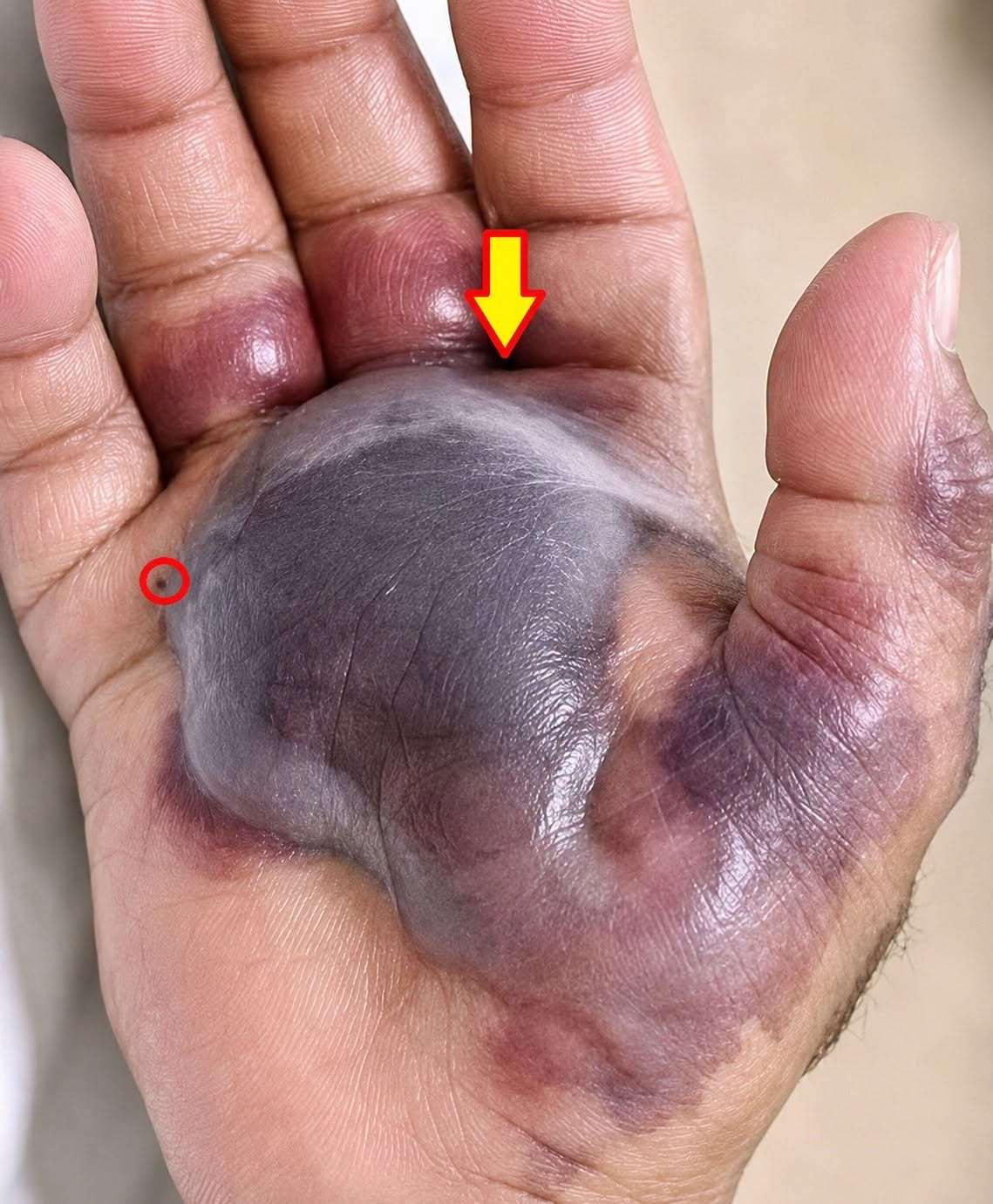
Sometimes our bodies give us subtle signals that are easy to dismiss.
A little more tired than usual.
A change in appetite.
A headache that seems to come and go.
Difficulty sleeping.
A new ache or discomfort that wasn’t there before.
Most of the time, these changes have simple explanations. Stress, lack of sleep, changes in routine, dehydration, exercise, or everyday illnesses can all affect how we feel.
But that doesn’t mean unusual or persistent changes should always be ignored.
Learning to notice changes in your health can help you have more informed conversations with a healthcare professional and decide when it may be appropriate to seek advice.
The important thing is not to panic over every symptom.
Instead, pay attention to patterns.
Your Body Can Communicate in Subtle Ways
Health changes don’t always begin with an obvious problem.
Sometimes the first indication that something is different is simply that you don’t feel like yourself.
You may notice that your energy has changed, your usual routine feels more difficult, or something that normally wouldn’t bother you suddenly becomes uncomfortable.
A single symptom usually doesn’t tell you what is happening inside your body.
That is why context matters.
For example, feeling tired after several nights of poor sleep is very different from experiencing unexplained fatigue that continues despite getting adequate rest.
Likewise, an occasional headache may have a straightforward explanation, while headaches that are unusually severe, persistent, or accompanied by other concerning symptoms deserve professional attention.
The key is to avoid both extremes: ignoring everything and assuming the worst.
Signs Worth Paying Attention To
There are several broad changes that can be useful to monitor.
1. Unusual or Persistent Fatigue
Everyone feels tired sometimes.
However, if you experience a noticeable change in your usual energy level without an obvious explanation, consider paying attention to how long it lasts and whether other changes occur alongside it.
Keeping track of sleep, stress, diet, medications, and daily activities can sometimes help identify possible reasons.
If fatigue continues or interferes significantly with everyday activities, discussing it with a healthcare professional may be worthwhile.
2. Unexpected Changes in Weight
Changes in body weight can happen for many reasons.
Diet, physical activity, stress, medications, hormones, illness, and other factors can all play a role.
But a significant change that happens without an intentional change in eating or activity habits is worth mentioning to a healthcare professional.
Rather than focusing on a particular number, pay attention to whether the change is unusual for you and whether it continues over time.
3. Changes in Appetite or Digestion
Your digestive system can be affected by everything from your diet and stress levels to infections and medications.
Temporary changes are common.
Persistent changes, however, may deserve attention.
Examples can include a prolonged change in appetite, ongoing abdominal discomfort, repeated digestive problems, or a noticeable change in your usual bowel habits.
These symptoms don’t automatically indicate a serious condition.
There are many possible explanations.
Still, keeping track of changes can give your doctor useful information.
4. Unexplained Pain or Discomfort
Pain is one of the body’s most noticeable signals, but its meaning can vary considerably.
A sore muscle after exercise is different from discomfort that appears without an obvious reason.
If pain is severe, persistent, worsening, repeatedly returning, or interfering with normal activities, consider seeking medical advice.
It can also help to note where the discomfort occurs, when it began, what makes it better or worse, and whether other symptoms appear at the same time.
5. Changes in Skin or Appearance
Your skin can change naturally with age, weather, sun exposure, allergies, and other everyday factors.
Still, a new or changing spot, persistent irritation, unusual swelling, or another noticeable change that doesn’t go away may be worth discussing with a healthcare professional.
Taking a photograph of a changing skin area can sometimes help you remember how it looked previously, although it should not replace a professional examination.
6. Changes in Sleep
Sleep is closely connected with overall well-being.
Occasional difficulty sleeping is common, particularly during stressful periods.
But if your sleep pattern changes significantly and remains disrupted, it may be worth considering what could be contributing to it.
Stress, caffeine, medications, lifestyle changes, and many other factors can affect sleep.
Persistent sleep difficulties can also affect concentration, mood, and daytime energy.
If sleep problems continue, a healthcare professional can help determine whether further evaluation is appropriate.
7. Changes in Mood or Concentration
Emotional well-being is part of overall health.
Everyone experiences periods of stress, sadness, frustration, or difficulty concentrating.
But significant or persistent changes in mood, memory, motivation, or concentration shouldn’t necessarily be brushed aside.
Sometimes these changes are connected to stress or lack of sleep.
Other times, they may be associated with medications, physical health issues, or mental health conditions.
If a change is persistent or begins interfering with work, relationships, or everyday life, consider talking with a qualified professional.
Don’t Try to Diagnose Yourself From a List
One of the biggest problems with online symptom lists is that the same symptom can have many different causes.
Fatigue, for example, can occur after a poor night’s sleep, during a stressful period, because of lifestyle factors, or alongside numerous medical conditions.
A headache can have many possible explanations as well.
Therefore, seeing one symptom on a list does not mean you have a particular disease or condition.
Online information can help you prepare questions, but it cannot replace an examination, medical history, or appropriate testing.
Instead of asking, “Do I have this condition?” it can be more useful to ask:
“Is this change unusual for me?”
“How long has it been happening?”
“Is it getting better or worse?”
“Are there other symptoms occurring at the same time?”
“Should I discuss this with a healthcare professional?”
Those questions can lead to a much more productive conversation.
Keep Track of Changes
If you’ve noticed something unusual, consider keeping a simple health journal.
You don’t need anything complicated.
Write down:
- When the symptom started.
- How frequently it happens.
- How long it lasts.
- What you were doing beforehand.
- Whether anything makes it better or worse.
- Any other changes you noticed.
- Relevant medications or supplements.
- Major changes in sleep, diet, stress, or activity.
This information can be surprisingly useful.
Memory isn’t always reliable, especially when symptoms occur intermittently.
A short record gives both you and your healthcare professional a clearer picture of what has been happening.
Know When to Seek Urgent Help
Some symptoms should not be monitored casually at home.
If you experience a sudden or severe medical problem—such as difficulty breathing, severe chest pressure or pain, sudden weakness or numbness, significant confusion, fainting, severe allergic reactions, or other symptoms that feel like an emergency—seek urgent medical attention through your local emergency service.
The appropriate response depends on the situation and where you live.
When you’re unsure whether something could be an emergency, it is safer to seek professional guidance rather than relying on an online article.
Prevention Matters Too
Paying attention to symptoms is only one part of maintaining your health.
Regular checkups, recommended screenings, vaccinations, physical activity, nutritious food, adequate sleep, and avoiding tobacco can all play important roles in long-term well-being.
Your healthcare needs also change with age, family history, medications, and personal circumstances.
That’s why preventive care should be individualized rather than based on a generic checklist found online.
The Most Important Message
Your body doesn’t come with a simple warning-light system.
Some changes are completely harmless.
Others deserve attention.
The challenge is knowing the difference.
Instead of becoming frightened by every unusual sensation, develop the habit of noticing meaningful changes and seeking appropriate advice when something is persistent, unusual, severe, or affecting your daily life.
You don’t need to become an expert in medicine.
You simply need to become more attentive to your own baseline.
If something feels noticeably different and doesn’t resolve, don’t automatically dismiss it.
Write it down.
Look for patterns.
Ask questions.
And when appropriate, speak with a qualified healthcare professional.
Sometimes the most useful thing you can do for your health is simply to pay attention.
Disclaimer: This article is intended for general informational purposes only and is not medical advice, a diagnosis, or a substitute for professional healthcare. Symptoms can have many different causes, and only an appropriately qualified healthcare professional can evaluate an individual’s situation