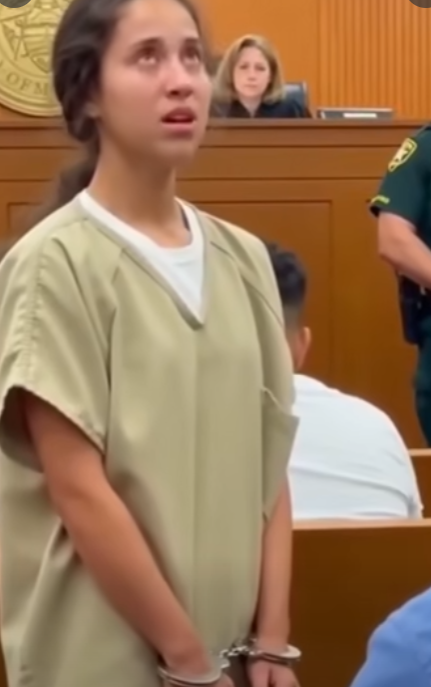
Aileen Wuornos: The Life, Crimes, and Controversial Case That Divided Public Opinion
Introduction: A Case That Continues to Raise Difficult Questions
The case of Aileen Wuornos remains one of the most widely discussed criminal cases in modern American history. Her life, the murders for which she was convicted, and the circumstances surrounding her execution have generated decades of public debate. For some observers, Wuornos represents a convicted serial killer who must be held accountable for the lives lost. For others, her background raises difficult questions about childhood trauma, social neglect, mental health, and the challenges of delivering justice in complicated circumstances.
Wuornos became nationally known after investigators connected her to a series of fatal shootings in Florida between 1989 and 1990. The victims were men she had encountered while working along the state’s highways. During the investigation and subsequent court proceedings, Wuornos maintained that she had acted in self-defense in at least some of the encounters. Prosecutors, however, argued that the evidence supported a different explanation, presenting the killings as criminal acts associated with robbery.
The case attracted attention not only because of the number of victims but also because Wuornos was a woman accused of committing multiple murders in circumstances that challenged common assumptions about violent crime. Her background, statements, courtroom behavior, and eventual execution became subjects of extensive media coverage.
Over time, the case moved beyond the courtroom and entered popular culture through documentaries, books, television programs, and the acclaimed film Monster. These portrayals introduced her story to audiences who might otherwise have known little about the investigation or its legal consequences.
Yet the lasting significance of the Wuornos case is not simply that it involved a series of serious crimes. It also illustrates how criminal responsibility, personal history, victim recognition, and public perceptions of justice can intersect. Understanding the case requires separating established facts from disputed claims while recognizing that the lives of the victims remain central to the story.
An Unstable Childhood and Early Life
Aileen Carol Wuornos was born on February 29, 1956, in Rochester, Michigan. Her early life was marked by family instability and circumstances that later became important subjects of discussion. Her parents separated before she was born, and her father was absent from much of her upbringing. Her mother also left her children in the care of relatives when Wuornos was very young.
Wuornos and her brother grew up primarily with their maternal grandparents. Accounts of her childhood describe a difficult home environment, with reports of emotional instability, neglect, and abuse. Some details of her early experiences have been discussed extensively in biographies and documentaries, although individual accounts vary and should be treated with appropriate care.
These early circumstances are relevant to understanding her personal history, but they do not provide a complete explanation for the crimes she later committed. Many people experience severe childhood adversity without becoming violent offenders. For that reason, examining Wuornos’s background should not be confused with suggesting that her later actions were inevitable.
Her childhood nevertheless became an important part of the public discussion surrounding the case. Journalists, legal observers, and filmmakers frequently examined whether her experiences had affected her relationships, her ability to trust others, and the decisions she made as an adult.
Her early life also raises broader questions about the support available to vulnerable children. Stable caregiving, access to education, safe housing, and appropriate intervention can make a meaningful difference in a child’s development. When those supports are absent, a young person may face additional challenges while navigating adolescence and adulthood.
These broader issues provide context for Wuornos’s story, but they should not overshadow the people who later became victims of her crimes. A balanced account must acknowledge both her personal history and the consequences of her actions.
Adolescence and the Challenges of Early Adulthood
As Wuornos entered adolescence, her circumstances became increasingly unstable. She reportedly left home while still young and spent periods without reliable housing or consistent family support. Her education was disrupted, and she struggled to establish a stable path into adulthood.
During these years, she became involved in activities associated with survival on the margins of society, including sex work. She also encountered legal difficulties related to offenses such as theft and other forms of misconduct. These experiences contributed to a pattern of instability that continued into her adult life.
Living without dependable housing or financial security can expose people to substantial risks. Individuals in such circumstances may have limited access to healthcare, transportation, employment opportunities, and support networks. They may also find it difficult to leave unsafe environments or obtain assistance when facing exploitation.
Wuornos’s life reflected several of these challenges. Her history included repeated encounters with the criminal justice system and difficulty maintaining stable personal relationships. Over time, she moved between locations and eventually spent significant periods in Florida.
It is important, however, not to treat homelessness, poverty, or sex work as automatic indicators of criminal behavior. People in these circumstances come from varied backgrounds and experiences. The relevant point is that Wuornos lived a highly unstable life in which opportunities for long-term security appeared limited.
Her circumstances became particularly important after her arrest because the defense and subsequent commentators examined how her experiences might have influenced her perceptions of danger. The prosecution, meanwhile, focused on the evidence associated with the individual killings and the legal requirements for establishing guilt.
The contrast between those perspectives helped shape the public debate. Some observers concentrated on the events that led to the deaths, while others placed greater emphasis on the experiences that preceded them. A careful examination recognizes that these are different questions requiring different kinds of evidence.
Moving to Florida and the Events of 1989–1990
By the late 1980s, Wuornos was living in Florida. During this period, she encountered several men who would later become victims in the murder cases investigated by authorities.
Between 1989 and 1990, seven men were killed in separate incidents connected to Wuornos. Investigators eventually linked the deaths through physical evidence, witness accounts, and other information developed during the investigation.
The victims included Richard Mallory, David Spears, Charles Carskaddon, Peter Siems, Troy Burress, Charles Richard Humphreys, and Walter Jeno Antonio. Each was an individual with a personal history, relationships, and a life that ended under tragic circumstances.
The cases were not identical in every respect, and the available evidence differed from one incident to another. Investigators worked to establish connections among the crimes and determine who was responsible. As the inquiry progressed, evidence associated with the victims and Wuornos began to form a broader picture.
The killings attracted considerable attention because the victims had been encountered in different circumstances, yet investigators identified links that pointed toward a common suspect. The use of firearms and the disappearance of personal belongings became significant elements in the investigation.
Wuornos later stated that she had been threatened or assaulted by some of the men and that she had acted to protect herself. Her accounts became a central feature of the legal proceedings and the debate that followed. Prosecutors challenged her explanation, arguing that the killings were not justified acts of self-defense.
Because the encounters took place in circumstances that were not always witnessed by independent observers, determining precisely what happened in each case required investigators and jurors to evaluate the evidence available to them. The legal outcomes depended on the evidence and applicable law rather than on public opinion alone.
The distinction between an allegation and a proven legal finding is especially important in cases that receive extensive media attention. Wuornos’s statements formed part of the record, but they did not automatically establish that the killings were justified. Similarly, the prosecution’s interpretation had to be evaluated through the legal process.
The Victims and the Importance of Remembering Their Lives
Public discussion of the Wuornos case has often focused on Wuornos herself. Her childhood, personality, courtroom statements, and portrayal in popular culture have received considerable attention. However, the seven men whose deaths were linked to her remain an essential part of the story.
Richard Mallory was among the first victims associated with the investigation. His death became a major focus as authorities began assembling the evidence that eventually led to Wuornos’s arrest and prosecution.
The other victims also had individual lives and connections to family members, friends, and communities. Their deaths left lasting consequences for people who knew them. Although criminal cases often become centered on defendants, the impact on victims and surviving relatives should not be overlooked.
The public’s fascination with a criminal defendant can sometimes make the people harmed by the crimes less visible. Media narratives may emphasize unusual personalities, dramatic courtroom exchanges, or disputed explanations while devoting less attention to the individuals who lost their lives.
A responsible account avoids that imbalance. It recognizes that a defendant’s background can be relevant without allowing the defendant to become the only person remembered. The victims were not merely names in a legal file; they were people whose lives ended in circumstances that demanded investigation and accountability.
Remembering the victims also helps establish a more complete perspective on the case. Discussions of childhood adversity and social failure are important, but they should not minimize the seriousness of the killings or the loss experienced by surviving family members.
The case demonstrates why responsible crime reporting requires attention to everyone affected. The defendant’s history, the investigation, the courtroom proceedings, and the experiences of victims’ families all contribute to a fuller understanding of the events.
How Investigators Connected Wuornos to the Murders
The investigation developed through several lines of evidence. Authorities examined the circumstances surrounding the killings, gathered information from witnesses, and investigated the movement of property belonging to the victims.
One important element involved items associated with the men who had died. Some belongings were reportedly pawned, creating records that investigators could examine. These transactions helped authorities establish connections between Wuornos and property associated with the victims.
Witness accounts also contributed to the investigation. Investigators sought information about Wuornos’s movements, her relationships, and her activities during the relevant period. When combined with physical evidence and other investigative findings, these accounts helped authorities build a case.
The inquiry also involved tracing the victims’ last known activities and examining the circumstances in which their vehicles and personal possessions were found. Investigators had to determine whether seemingly separate incidents were connected and whether the evidence supported the involvement of the same person.
Criminal investigations of this kind often require authorities to assemble multiple pieces of information rather than rely on one decisive discovery. A transaction record, a witness statement, or a physical clue may be significant on its own, but its importance becomes clearer when considered alongside other evidence.
In Wuornos’s case, the developing investigation eventually led authorities to identify her as a suspect. Her arrest in 1991 marked a major turning point, bringing the inquiry into a new phase and setting the stage for the legal proceedings that followed.
The investigation also attracted attention because it involved a woman accused of multiple killings, challenging stereotypes that often associate serial murder primarily with men. Nevertheless, the essential investigative questions remained the same: what happened, who was responsible, and what evidence could establish the facts in court?
Arrest and the Beginning of the Legal Proceedings
Wuornos was arrested in January 1991. By that point, investigators had gathered information linking her to the killings and to property associated with some of the victims.
Following her arrest, the case received widespread media coverage. Reporters and television programs examined her background, the allegations against her, and the evidence investigators had assembled. Public interest increased as details emerged about the number of deaths and the circumstances in which they occurred.
The legal process required prosecutors to present evidence supporting the charges and the defense to respond to the allegations. The court proceedings were not simply a public debate about Wuornos’s character or life history. They concerned specific criminal charges and the legal standards required to establish guilt.
The prosecution argued that the evidence demonstrated her responsibility for the killings. The defense raised questions about the circumstances of the encounters and emphasized Wuornos’s claims that she had faced threats or assault.
Those competing accounts created a central challenge for the courts. The question was not whether Wuornos had experienced hardship in her life, but whether the evidence and applicable law supported the charges and whether her explanations provided a legally sufficient defense.
Her case also highlighted the difference between public narratives and courtroom evidence. Media coverage can influence how audiences interpret a defendant, but a verdict must be based on evidence presented and evaluated through the legal process.
The proceedings eventually resulted in convictions for multiple murders. Those outcomes established her criminal responsibility under the law, although public disagreement over the broader meaning of the case continued long after the trials concluded.
The Prosecution’s Argument and the Defense’s Response
During the legal proceedings, prosecutors presented the killings as criminal acts rather than justified responses to immediate danger. They argued that the circumstances, the evidence connecting Wuornos to the victims, and the handling of some victims’ belongings supported their interpretation.
The prosecution’s case challenged Wuornos’s claims of self-defense. In evaluating such a claim, a court must consider the relevant facts and legal standards, including whether the circumstances support the conclusion that force was necessary to protect someone from an imminent threat.
The defense, by contrast, drew attention to Wuornos’s difficult personal history and her statements about the encounters. Her background became relevant to the broader understanding of her circumstances, while her claims about particular incidents raised questions that had to be evaluated against the available evidence.
These arguments illustrate the difference between explaining behavior and legally justifying it. A person’s past experiences may help explain how they interpret situations or respond to perceived threats. However, that history does not automatically establish that a particular act was lawful.
Likewise, an allegation of self-defense cannot be evaluated solely by accepting or dismissing the defendant’s account. The relevant evidence must be examined, and legal conclusions must follow the standards governing the case.
The courtroom process gave both sides an opportunity to present their positions. Jurors evaluated the evidence and returned guilty verdicts in the cases that proceeded to trial. Those verdicts remain central to the historical and legal record.
The debate that followed illustrates how people can reach different conclusions about a criminal case when they emphasize different aspects of the available information. Some focus primarily on the legal findings and the deaths of the victims. Others examine the defendant’s background and question whether social conditions or failures of support contributed to the circumstances.
A balanced account can consider both perspectives without treating them as interchangeable. Legal responsibility, personal history, and wider social questions are connected, but each requires careful examination.
Convictions and the Death Penalty
Wuornos was convicted of multiple murders in Florida. The legal consequences were severe, and she received death sentences for several of the killings.
Capital punishment made the case even more controversial. The death penalty has long been debated in the United States, with arguments concerning justice, deterrence, public safety, the possibility of legal error, and the moral authority of the state to carry out an execution.
Supporters of capital punishment often argue that the most serious crimes can justify the most severe legal consequence. They may emphasize the gravity of the offenses, the harm suffered by victims and their families, and the importance of accountability.
Opponents raise different concerns. They question whether execution is an appropriate response to crime, whether it consistently produces the intended outcomes, and whether the legal system can eliminate the risk of mistakes. Some also argue that a person’s psychological history and personal circumstances deserve particular attention when sentencing decisions are made.
Wuornos’s case brought many of these arguments into public view. Her convictions established her legal responsibility for the murders, while her background and claims about the encounters became part of the broader discussion about punishment.
The death sentences also raised questions about how the justice system considers mitigating circumstances. In capital cases, sentencing proceedings may examine factors beyond the immediate facts of the offense, including personal history and other information relevant under the law.
Such considerations do not erase the harm caused by a crime. Instead, they form part of the difficult process of determining an appropriate legal consequence.
The case illustrates why debates about capital punishment often extend beyond a single defendant. It brings together questions about accountability, proportionality, fairness, and the responsibilities of the legal system.
Life on Death Row
After receiving death sentences, Wuornos spent years on death row in Florida. During that period, she continued to attract attention from journalists, researchers, filmmakers, and members of the public interested in the case.
Interviews and recorded statements provided additional material for people seeking to understand her perspective. Her comments, however, did not always resolve questions about the events. In a case involving several separate killings and competing explanations, later statements could add context while also creating further disagreement.
Death row is a highly restrictive environment, and the experience of long-term confinement can be difficult for incarcerated individuals. People awaiting execution may face uncertainty about legal proceedings, limited freedom, and prolonged separation from ordinary life outside prison.
Wuornos’s behavior and statements during this period became part of the public narrative. Some observers interpreted them as evidence of her attitude toward the crimes, while others examined them in the context of her personal history and psychological condition.
It is important to distinguish documented information from speculation when discussing a person’s mental state. Public statements and media portrayals may offer insight into how a person presents themselves, but they do not automatically establish a complete psychological explanation.
The years on death row also prolonged the public debate over the case. Rather than ending with the verdicts, discussions continued about punishment, responsibility, and the circumstances that shaped Wuornos’s life.
For the victims’ families, the legal process represented a long period of waiting for the proceedings to reach their conclusion. Their experiences remain an important part of the story, even though media coverage frequently concentrated on the defendant.
The Execution in 2002
Aileen Wuornos was executed by lethal injection in Florida on October 9, 2002. Her execution concluded the legal process that had followed the murders, but it did not bring an end to public discussion of the case.
The execution became a major news event, drawing renewed attention to the crimes, the trials, and the wider debate about capital punishment. For some people, the sentence represented the completion of a legal process following multiple murders. For others, it renewed concerns about the morality and fairness of the death penalty.
An execution can end a defendant’s life, but it cannot resolve every question associated with a criminal case. It does not restore the victims’ lives, remove the grief experienced by their families, or settle broader disagreements about the justice system.
Wuornos’s execution also became a defining part of her place in American criminal history. Later accounts frequently used it as the conclusion of her biography, although the social and cultural questions associated with the case continued long afterward.
The years between her arrest and execution created opportunities for extensive public reflection. People revisited the evidence, considered her personal history, and debated whether the legal outcome represented justice.
These debates often reflected differing views about the purpose of punishment. Some see punishment primarily as a response to wrongdoing and a means of recognizing the seriousness of harm. Others place greater emphasis on rehabilitation, social prevention, or the possibility of alternative sentences.
The Wuornos case did not settle those disagreements. Instead, it became another example used in broader discussions about the criminal justice system and the consequences of capital punishment.
The Role of Childhood Trauma in Public Discussion
One of the most frequently discussed aspects of Wuornos’s life is her reported childhood adversity. Accounts of her early years have prompted questions about whether severe and prolonged hardship can influence a person’s behavior later in life.
Research into childhood adversity generally recognizes that difficult early experiences can affect emotional development, relationships, stress responses, and access to future opportunities. However, the effects vary significantly from person to person, and no single experience determines an individual’s future.
It would therefore be inaccurate to claim that Wuornos’s childhood inevitably led to the murders. Her background provides context, but it cannot fully explain the decisions and events that occurred decades later.
The distinction matters because sensational accounts sometimes present traumatic childhoods as if they provide a simp