A Strange Pink Substance Appeared on My Kitchen Wall: What Could It Be?
Have you ever noticed something unusual inside your home and wondered where it came from? Unexpected marks, patches, or growths can sometimes appear on walls, particularly in kitchens, bathrooms, basements, and other areas where moisture may accumulate.
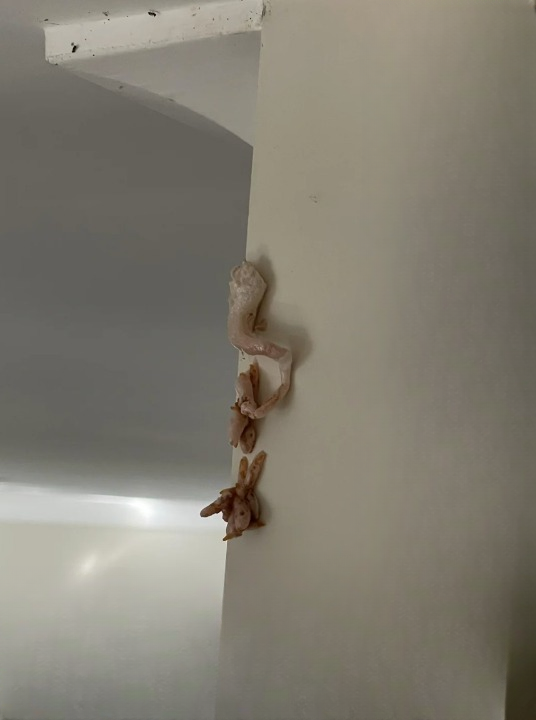
In this account, an ordinary morning took an unexpected turn when a homeowner noticed a strange pink, foam-like substance in the corner of the kitchen. Its unusual color and texture made it difficult to identify at first. It looked soft and irregular, almost like a small cluster of plant material attached to the wall.
The discovery raised several questions. Was it a type of mold? Could it have come from something brought indoors? Or was it a sign of moisture or another issue that needed attention?
Without a photograph that can be examined closely, details about the home’s conditions, or a reliable identification of the substance, it is impossible to determine exactly what was growing there. However, several common household issues can produce unusual-looking patches, and understanding the possibilities can help homeowners decide what to do next.
An Unexpected Discovery in the Kitchen
The kitchen is one of the busiest areas of a home. Cooking, washing dishes, boiling water, and cleaning all contribute to indoor humidity. When ventilation is limited, moisture may collect on walls, ceilings, window frames, and other surfaces.
That is why an unusual patch in a kitchen corner deserves a closer look. The color may initially attract attention, but the location and surrounding conditions can provide equally useful clues.
A pink or reddish substance might be associated with microbial growth, residue, food material, or another source. Its appearance alone cannot establish whether it is mold, bacteria, or something else entirely.
The first step is to avoid touching or scraping an unidentified substance with bare hands. If it appears wet, powdery, fuzzy, or unusually thick, it is sensible to keep children and pets away while assessing the situation.
Homeowners should also consider whether the area has recently experienced a leak, condensation, or a spill that may have gone unnoticed.
Could It Be Mold?
Mold is one possible explanation for unusual growth on an indoor surface. Mold consists of fungi that can develop when suitable moisture and organic material are available. It may appear in different colors and textures, ranging from dark spots to pale, fuzzy patches.
Although many people associate mold with black or green marks, color alone is not a dependable way to identify it. Some growths may appear pink, orange, white, or reddish, depending on the organism and the surface on which it develops.
Mold can occur on painted walls, wallpaper, wood, plasterboard, and other materials when conditions are favorable. Kitchens may be vulnerable around sinks, behind appliances, near windows, or in corners where airflow is poor.
However, not every pink substance on a wall is mold. Some bacteria, residues, and nonliving materials can look similar. A visual description cannot confirm the identity of a particular patch.
If a suspicious area repeatedly returns after cleaning, spreads across the surface, or appears alongside persistent dampness, it is worth investigating the underlying cause rather than treating the visible mark as an isolated problem.
Why Moisture Matters Inside a Home
Moisture is one of the most important factors to consider when investigating unusual growth on an indoor wall. Water can enter a property through plumbing leaks, damaged roofing, exterior cracks, faulty seals, or condensation.
Everyday activities can also increase humidity. Cooking without adequate ventilation, drying clothes indoors, and taking hot showers may introduce additional moisture into the air.
When warm, humid air meets a colder surface, condensation can form. Over time, repeated moisture exposure can damage paint and wallpaper and create conditions that support microbial growth.
Corners are sometimes affected because air circulation is limited, especially when furniture sits close to an exterior wall. Areas behind refrigerators, cupboards, and washing machines may also be difficult to inspect regularly.
If a pink patch appears near a sink or water pipe, checking for leaks may be useful. If it appears near a window, condensation or a damaged seal could be contributing. These are possibilities to investigate, not proof of the cause.
The goal is to identify and correct the source of moisture so that the problem does not continue to return.
Other Possible Explanations for a Pink or Foam-Like Patch
Several different materials can produce an unusual appearance on a wall. Considering the surrounding conditions may help narrow down the possibilities.
Microbial growth: Certain microorganisms can produce pink, reddish, or orange-colored deposits on damp surfaces. Some may form slimy or film-like patches rather than the fuzzy appearance commonly associated with mold.
Food residue: In kitchens, splashes from sauces, fruit, beverages, or other food products may dry on walls and change in appearance over time. A residue may look more unusual if it mixes with dust or moisture.
Cleaning-product residue: Some cleaning products can leave colored or chalky deposits when they dry. The appearance may vary depending on the ingredients, the wall finish, and the amount of product used.
Paint or building-material damage: Peeling paint, deteriorating plaster, adhesive, or other construction materials can create irregular textures. If moisture is present, the damaged area may develop discoloration.
Material brought indoors: Plant fragments, seeds, fibers, or other outdoor material can occasionally become attached to clothing, bags, or household items before being transferred to an indoor surface.
These examples illustrate why a description alone is not enough to identify the substance. Its texture, location, behavior over time, and the condition of the surrounding wall all matter.
What to Do When You Find an Unidentified Substance
A cautious, methodical approach is usually better than immediately scraping or washing an unknown material away.
First, look at the surrounding area without touching the substance. Check whether the wall feels damp, whether paint is peeling, or whether there are signs of a leak. Notice whether the patch is near plumbing, a window, a cooking area, or an appliance.
If it is safe to do so, take a photograph from a reasonable distance. This can help document whether the patch changes over time and may assist a qualified professional with identification.
Avoid sniffing the substance closely, brushing it into the air, or using a dry brush that could spread particles. Do not mix household cleaning products, particularly bleach with ammonia or acidic cleaners, because dangerous gases can result.
If the substance appears extensive, keeps returning, is associated with water damage, or cannot be identified confidently, consider contacting a qualified mold assessor, building professional, or other appropriate specialist.
Where the material may be hazardous, professional advice is preferable to experimenting with different cleaning methods.
How to Address a Possible Mold Problem
If mold is suspected, the appropriate response depends on the size of the affected area, the material involved, and whether the source of moisture can be corrected.
A small area of surface growth on a suitable, washable material may sometimes be cleaned using an appropriate household method and following the product label. Protective gloves and good ventilation may be advisable.
Porous materials that have been extensively affected, such as some types of plasterboard, insulation, or ceiling tiles, may be difficult to clean thoroughly and could require removal or replacement.
Larger areas, recurring growth, contamination from sewage, or mold associated with substantial water damage may require professional remediation.
Cleaning the visible surface without correcting a leak or persistent condensation is unlikely to solve the underlying problem. If moisture remains, the discoloration or growth may return.
People who have asthma, significant allergies, or other health concerns may wish to avoid disturbing suspected mold and ask a qualified professional to assess the area.
It is also important not to assume that a pink patch is harmless simply because it is small. The identity of the material and the conditions that allowed it to appear should guide the response.
Preventing Moisture-Related Problems in the Kitchen
Regular maintenance can reduce the likelihood of dampness and some types of indoor growth.
- Use ventilation while cooking. An extractor fan that vents appropriately can help remove excess moisture and cooking fumes.
- Repair leaks promptly. Check under sinks and around water connections for dripping pipes, damaged seals, or signs of persistent dampness.
- Wipe away condensation. If water repeatedly forms on windows or cold surfaces, investigate indoor humidity and ventilation.
- Keep air circulating. Avoid placing large items tightly against walls where doing so would trap moisture or make inspection difficult.
- Clean spills promptly. Food and drink residue can attract insects and contribute to unpleasant odors or staining.
- Inspect hidden areas periodically. Look behind appliances and beneath cupboards when it is safe and practical to do so.
- Address recurring dampness. A dehumidifier may help in some circumstances, but it should not replace repairs when water is entering the building.
These habits can make it easier to notice problems early. They cannot prevent every type of growth or discoloration, but they help keep indoor surfaces in better condition.
Does the Color Tell You What It Is?
Color can provide a clue, but it should never be treated as a definitive identification method.
A pink or orange patch may have a very different cause from another patch with a similar appearance. Lighting, wall color, surface texture, moisture, and the age of the material can all influence how it looks.
Likewise, a foam-like texture does not automatically mean that a substance is a living organism. Some residues dry into irregular clusters, while certain microbial growths may form films or raised patches.
For a more reliable assessment, it helps to know whether the material is wet or dry, whether it changes shape, whether it returns after cleaning, and whether the wall has been exposed to moisture.
A clear photograph may provide useful context, but some substances cannot be identified confidently from an image alone. In uncertain cases, an appropriate professional assessment is the better option.
When the Wall Itself May Need Attention
Sometimes the unusual material is only one part of a larger maintenance issue. If the wall has soft spots, bubbling paint, crumbling plaster, a persistent musty smell, or visible water staining, there may be moisture behind the surface.
A plumbing leak can remain hidden for some time, particularly behind cabinets or inside walls. Exterior water intrusion may also become noticeable indoors only after repeated rainfall.
If the wall is deteriorating, simply painting over the discoloration may conceal the visible evidence without resolving the cause. The affected area should be assessed, and any necessary repairs should be completed before refinishing the surface.
Homeowners who rent their property should document the issue and notify the landlord or property manager when repairs may be required. Prompt reporting can help prevent a minor leak from becoming a more extensive maintenance problem.
A Small Discovery Can Lead to Useful Questions
The pink, foam-like patch described in this account was unexpected, but the available information does not establish what it actually was. No verified identification or follow-up details are provided, so naming a particular organism or material would be speculation.
What the situation does highlight is the value of paying attention to unusual changes inside a home. A new patch on a wall may be harmless residue, a sign of dampness, or something that needs professional identification.
Rather than relying on an alarming headline or guessing from color alone, homeowners can take a few practical steps: observe the area without touching it, document its appearance, look for signs of moisture, and seek suitable advice when the cause remains unclear.
A clean, dry home depends on more than appearances. Good ventilation, routine inspections, timely repairs, and careful handling of unfamiliar substances can all contribute to a healthier and better-maintained living environment.