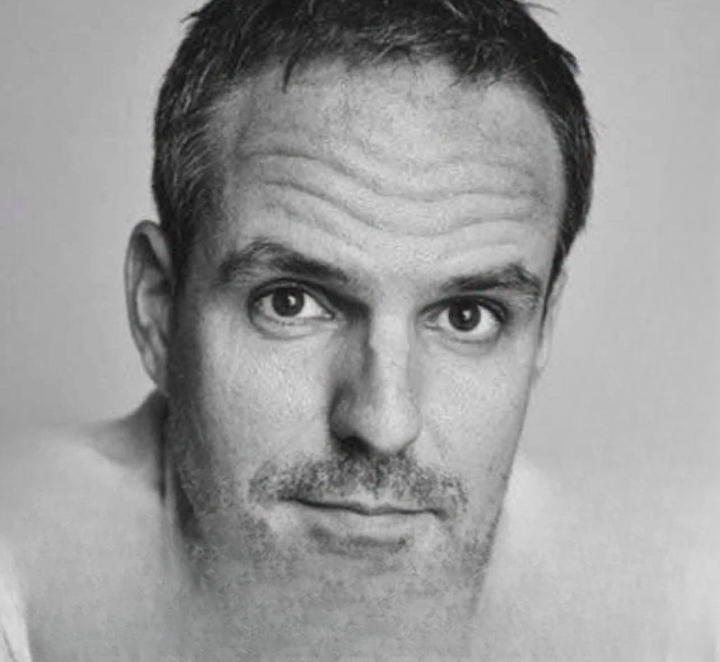
Introduction: When Performance Becomes Something Larger Than Life
In the world of musical theatre, performances are often fleeting in time but permanent in memory. A curtain rises, a story unfolds, music fills the space, and for a brief moment, an audience is transported into another world. Then, just as quickly, the moment ends. The stage goes dark. The actors step away. The production closes.
And yet, something remains.
Not every performance disappears with the final applause. Some leave behind echoes that continue to shape audiences, inspire fellow performers, and influence the future of the art form itself.
This reflection focuses on that idea of artistic legacy through the lens of celebrated stage performer Ben Lewis, whose work in musical theatre—especially in productions such as The Phantom of the Opera—has been widely recognized for its emotional depth, vocal strength, and dramatic presence.
Rather than focusing on a single moment or event, this article explores the broader meaning of artistic contribution: how performers shape culture, how mentorship influences generations, and how kindness often becomes one of the most lasting parts of a creative career.
The World of Musical Theatre: A Life Built on Transience and Memory
Musical theatre exists in a unique space between permanence and impermanence. Unlike film or recorded music, live theatre is experienced in real time. Each performance is slightly different. Each audience brings its own energy. Each night exists only once.
This creates a paradox: theatre is both temporary and unforgettable.
For performers like Ben Lewis, this means that every role carries a double responsibility. On one hand, there is the immediate task of delivering a compelling performance. On the other, there is the awareness that this moment will never be repeated in exactly the same way.
That awareness often shapes how performers approach their craft. Precision becomes important, but so does emotional honesty. Technique matters, but so does presence.
The result is a form of storytelling that feels alive in a way few other art forms can match.
The Discipline Behind the Curtain
What audiences see on stage is only the final layer of a much deeper process.
Before a performance ever reaches the stage, it is shaped by weeks or months of rehearsal, vocal preparation, character study, physical conditioning, and collaboration.
In musical theatre, especially in demanding productions like The Phantom of the Opera, performers are required to maintain both vocal excellence and emotional intensity across repeated performances.
This requires discipline.
Not just occasional effort, but sustained commitment over time.
Actors must take care of their voices, manage fatigue, adapt to changing circumstances, and still deliver performances that feel fresh and meaningful to each audience.
It is a profession built on repetition that must never feel repetitive.
That balance is one of the greatest challenges in the field.
The Emotional Weight of Iconic Roles
Certain roles in musical theatre carry an emotional gravity that extends beyond the stage. Characters become symbolic. Stories become cultural landmarks. Performers who step into these roles inherit not only a part, but also an expectation.
In productions like The Phantom of the Opera, performers are engaging with material that has been performed, interpreted, and reinterpreted for decades.
This creates both opportunity and pressure.
Opportunity, because the role offers a chance to explore deep emotional complexity.
Pressure, because audiences often arrive with strong expectations shaped by previous performances.
For performers such as Ben Lewis, navigating this balance requires more than technical ability. It requires interpretation—finding a personal emotional truth within a well-known character.
That process is where artistry becomes deeply individual.
More Than Performance: The Human Side of Theatre
While audiences often remember the final performance, colleagues and collaborators often remember something else entirely: how a performer treated others behind the scenes.
Theatre is a collaborative environment. Every production depends on trust between cast members, directors, musicians, stage crew, and production teams.
In such environments, personality matters as much as performance.
Kindness, patience, generosity, and professionalism can shape the entire experience of a production.
Many performers are remembered not only for their roles, but for how they made others feel during the process.
This human dimension of theatre is often invisible to audiences, but deeply felt within the industry.
Mentorship: The Invisible Legacy of Artists
One of the most important yet often overlooked aspects of a performing arts career is mentorship.
Experienced performers naturally become reference points for younger or less experienced colleagues. This does not always happen formally. Often, it occurs through observation, guidance, encouragement, or shared experience during rehearsals.
Mentorship in theatre is not always about instruction. Sometimes it is about example.
How to handle pressure.
How to prepare for a demanding role.
How to remain grounded in a competitive environment.
How to respect the collaborative nature of the stage.
Artists like Ben Lewis are often recognized not only for their performances, but also for their influence on others in the field.
This influence continues long after any single production ends.
The Idea of Legacy in the Performing Arts
Legacy in the arts is not a fixed concept. It is not measured solely by awards, reviews, or ticket sales. Instead, it is shaped by memory, influence, and emotional impact.
A performance that deeply moves an audience can linger in memory for years. A moment on stage can inspire someone to pursue their own artistic path. A single interpretation of a character can redefine how others approach the same role.
In this way, legacy is distributed.
It exists across audiences, fellow performers, students, and future productions.
It is not owned. It is shared.
Why Certain Performances Stay With Us
Not all performances are remembered equally. Some fade quickly, while others remain vivid in the mind long after the curtain falls.
This difference is not always about scale or production value. Often, it is about emotional truth.
When a performer fully inhabits a role, the boundary between character and actor becomes less visible. The audience is no longer simply watching a performance—they are experiencing a story.
This emotional connection is what makes theatre powerful.
It is also what makes certain performances unforgettable.
The Demands of Consistency and Excellence
Sustaining excellence in theatre requires resilience.
Unlike many forms of performance, stage acting does not allow for editing or retakes. Every show is live. Every moment matters. Mistakes cannot be undone.
This creates a unique kind of discipline.
Performers must learn to stay present regardless of external factors: fatigue, illness, technical issues, or emotional stress.
Consistency becomes an essential part of professionalism.
Yet within that consistency, there must still be emotional freshness. Each performance must feel alive, even if it has been performed dozens or hundreds of times before.
This paradox is at the heart of theatrical artistry.
The Audience Experience: Shared Emotion in Real Time
One of the most powerful aspects of theatre is its immediacy.
Unlike recorded media, theatre is experienced collectively. The audience shares the same space, the same moment, and the same emotional arc.
This shared experience creates a sense of connection—not only between performer and audience, but also among audience members themselves.
When a performance resonates deeply, it creates a kind of silent agreement in the room: that something meaningful is happening right now.
This is part of what makes productions like The Phantom of the Opera culturally enduring. They are not just stories—they are shared emotional events.
Artistic Identity Beyond a Single Role
While certain roles become closely associated with performers, artistic identity is always broader than a single performance.
A career in theatre often spans multiple productions, styles, and interpretations. Each role adds another layer to an artist’s development.
Over time, a performer is not defined by one character, but by a collection of experiences, choices, and interpretations.
For Ben Lewis, his body of work reflects this diversity. While audiences may strongly associate him with specific roles, his broader contribution lies in his overall presence in the theatre world.
The Quiet Strength of Professional Dedication
Behind every successful performance is a foundation of discipline that is rarely visible to the audience.
Early rehearsals. Vocal training. Script analysis. Repeated practice. Physical preparation. Emotional engagement.
These elements form the invisible structure of performance.
What appears effortless on stage is often the result of sustained effort off stage.
This dedication is one of the defining characteristics of professional theatre artists.
How Theatre Shapes the People Who Perform It
Working in theatre is not only about performing roles. It is also about personal transformation.
Over time, actors develop greater emotional awareness, resilience, and adaptability. They learn to navigate uncertainty, respond to live situations, and collaborate with diverse creative teams.
The process of embodying different characters can also deepen empathy. By stepping into different perspectives, performers gain insight into human complexity.
This is one of the quieter but most profound impacts of a career in the performing arts.
The Continuing Influence of Artistic Work
Even after a production ends, its influence continues.
Audiences carry memories of performances with them. Fellow performers carry lessons learned. Students and emerging artists study interpretations and techniques.
In this way, theatre never truly disappears. It continues through memory, influence, and inspiration.
The legacy of a performer is not confined to the stage—it lives in the people they have touched through their work.
Conclusion: A Legacy Built on Presence, Craft, and Humanity
When reflecting on the career and artistic presence of performers like Ben Lewis, it becomes clear that legacy in the arts is not defined by a single moment.
It is defined by consistency, dedication, emotional truth, and human connection.
Through roles in productions such as The Phantom of the Opera, and through contributions made both on and off stage, a performer leaves behind more than entertainment.
They leave behind influence.
They leave behind inspiration.
And perhaps most importantly, they leave behind a reminder that art is not only about performance—it is about connection between people across time, space, and experience.
In the end, that is what makes theatre endure long after the final curtain falls.