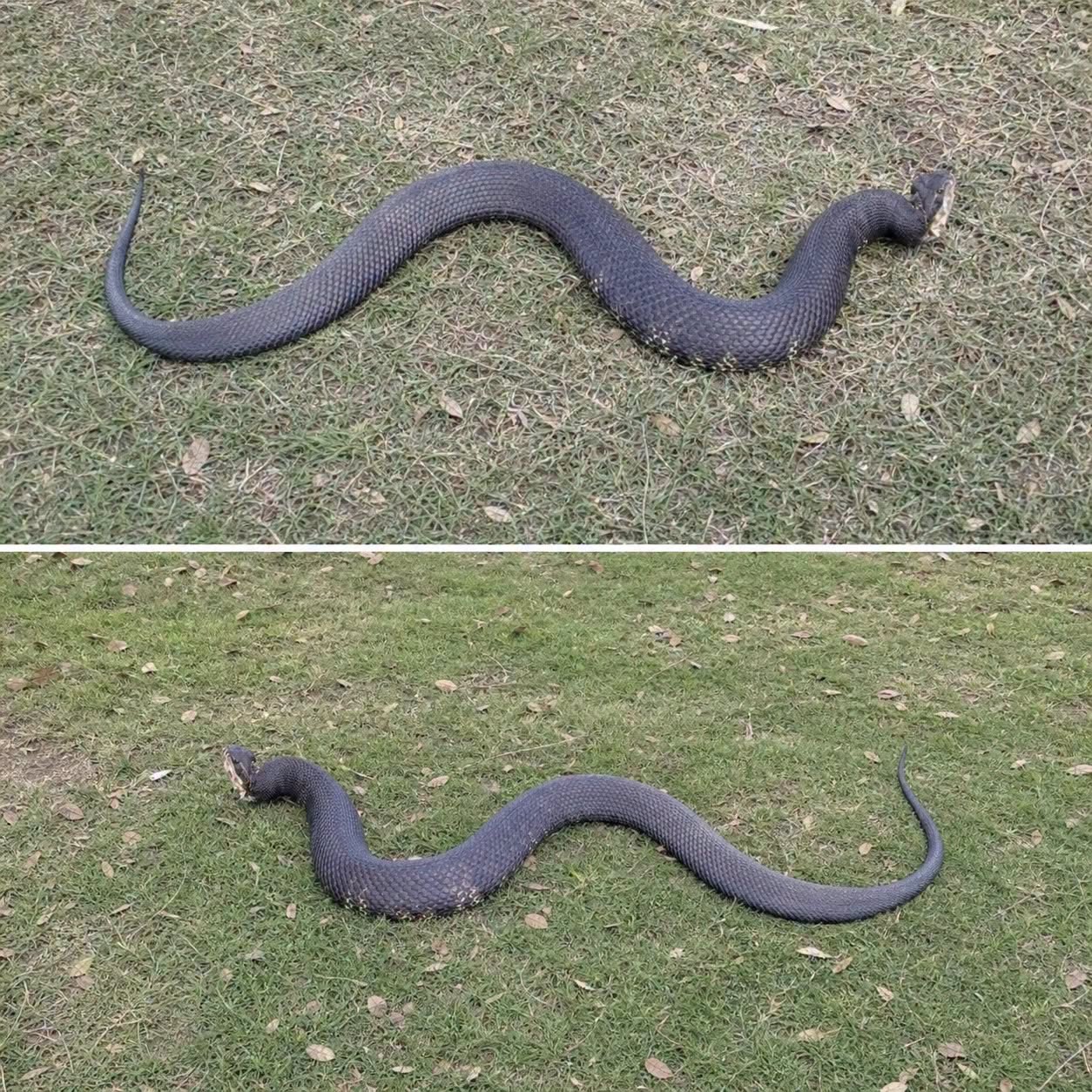
A peaceful morning outdoors can change unexpectedly in just a few seconds.
For people who enjoy spending time in nature, activities such as turkey hunting, hiking, camping, fishing, and wildlife photography can provide an opportunity to disconnect from everyday routines and enjoy the outdoors.
But being outside also means sharing the environment with insects, animals, plants, and other natural hazards.
One outdoor enthusiast recently described an unexpected moment during a turkey-hunting trip after being bitten by an unidentified creature. Instead of immediately knowing what to do, the person turned to others for advice.
That situation raises a useful question for anyone who spends time outdoors:
What should you do if you are bitten while you’re away from home?
The answer depends on what caused the bite, where it occurred, how severe the symptoms are, and the person’s overall health. Because it is not always possible to identify the source immediately, the safest approach is to focus first on basic care and watch for warning signs.
Stay Calm and Move Away From the Area
The first step after an unexpected bite is to remain calm.
A sudden bite can cause a person to react quickly, but moving away from the location is important if the animal or insect could still be nearby.
Do not attempt to catch, handle, or provoke the creature.
If it can be safely identified from a distance, remembering its general appearance may be helpful. A photograph can also be useful if it can be taken without approaching the animal.
However, personal safety should always come first.
There is no reason to risk another bite simply to obtain a picture.
Examine the Area Carefully
Once you are in a safe location, look at the affected area.
Check for obvious signs such as redness, swelling, tenderness, or a small puncture mark.
Try to remember when the bite happened and what you were doing immediately beforehand.
This information may be useful if you later speak with a healthcare professional.
Avoid scratching the area, as doing so can irritate the skin and potentially introduce bacteria.
Keeping the area clean is generally a sensible first step.
Wash the Area
For many minor bites, gently cleaning the affected skin with soap and clean running water is an important part of basic first aid.
Cleaning can help remove dirt and other contaminants from the skin.
If you are outdoors and do not have access to normal facilities, use the cleanest water available until you can properly wash the area.
Avoid applying unknown substances simply because they are recommended in an online comment.
Outdoor folklore can include many traditional remedies that have little evidence behind them and may sometimes irritate the skin.
Don’t Automatically Assume What Bit You
One of the biggest mistakes people make after an outdoor bite is assuming they know the cause.
A person may see a small mark and immediately decide that it came from a particular insect, spider, snake, or other animal.
But several different causes can produce similar-looking reactions.
Without seeing the creature or having a professional evaluation, it may be impossible to know exactly what happened.
That is why advice should focus on symptoms and appropriate care rather than an unsupported identification.
Watch for Changes
After a bite, pay attention to how the affected area changes.
A small amount of local discomfort or swelling can occur with many minor bites.
However, rapidly worsening symptoms deserve attention.
Monitor whether swelling continues to increase, whether redness spreads, or whether the area becomes increasingly painful.
Also pay attention to how you feel overall.
A person’s general symptoms can sometimes be more important than the appearance of the bite itself.
Recognize Signs of a Serious Allergic Reaction
Some people can experience severe allergic reactions after certain bites or stings.
Warning signs can include difficulty breathing, swelling involving the lips, tongue, or throat, faintness, confusion, or widespread symptoms.
These can represent a medical emergency.
If severe symptoms develop, seek emergency medical assistance immediately.
People who have previously been prescribed emergency allergy medication should follow their healthcare professional’s instructions for using it.
Do not wait for symptoms to become severe before seeking help when serious warning signs are already present.
When Professional Medical Advice May Be Appropriate
Even when a bite initially appears minor, medical advice may be appropriate if symptoms become worse or unusual.
Consider contacting a healthcare professional if there is significant or increasing swelling, persistent or worsening pain, spreading redness, drainage, fever, or other concerning symptoms.
Medical attention may also be appropriate if the bite came from an animal that could potentially transmit a serious infection or disease.
The exact recommendations can vary depending on the animal involved, the location of the bite, and local health guidance.
Be Especially Careful With Unknown Animals
If the source of the bite is an unknown wild animal, it is important not to dismiss the incident.
Some animal exposures require professional assessment even when the wound appears small.
A healthcare professional can determine whether additional treatment or preventive care is appropriate.
The same principle applies if the bite broke the skin.
Rather than relying on a social media comment, contact a qualified medical professional or local health service for advice based on the circumstances.
Don’t Underestimate Small Wounds
A bite does not have to look dramatic to deserve attention.
Even a small break in the skin can become irritated or infected.
Outdoor environments contain dirt, soil, plants, and microorganisms that can come into contact with an open wound.
Keeping the area clean and monitoring it can help you recognize when something is changing.
If the wound does not appear to be improving or begins looking increasingly concerning, professional advice is appropriate.
What About Tetanus Protection?
When an injury breaks the skin, vaccination history can become relevant.
Tetanus protection is maintained through vaccination and periodic booster doses according to recommended schedules and individual circumstances.
If you are unsure when you last received a tetanus vaccination, a healthcare professional can help determine whether a booster or other care is appropriate.
This is another reason it can be useful to know your basic vaccination history before spending time in remote areas.
Outdoor Preparation Matters
The best time to think about first aid is before an emergency happens.
Anyone who regularly spends time outdoors can benefit from carrying a basic first-aid kit.
Depending on the activity, this may include:
- Adhesive bandages.
- Gauze and medical tape.
- Antiseptic supplies.
- Disposable gloves.
- Clean water or suitable cleaning supplies.
- Tweezers for appropriate minor first-aid uses.
- Personal medications.
- A charged phone or another communication method.
People traveling into remote areas should also consider how they will contact emergency services if needed.
Preparation can make an unexpected situation much easier to manage.
Learn About Local Wildlife
People who spend time outdoors can reduce unnecessary encounters by learning about wildlife in the area they visit.
Different regions have different insects, reptiles, mammals, and plants.
Understanding where animals are commonly found and how they behave can help people make safer decisions.
This doesn’t mean avoiding nature.
It means respecting the environment and recognizing that humans are visitors in wildlife habitats.
Give Wildlife Plenty of Space
One of the simplest outdoor safety principles is also one of the most important:
Observe wildlife without approaching it unnecessarily.
Wild animals can behave unpredictably when they feel threatened.
Even an animal that appears calm may react defensively if someone gets too close.
Never attempt to touch, feed, corner, or capture wild animals for a photograph.
Keeping a reasonable distance protects both people and wildlife.
Be Careful When Moving Through Brush and Tall Grass
Many bites happen because people unknowingly disturb animals or insects while moving through their habitat.
When walking through dense vegetation, pay attention to where you place your hands and feet.
Avoid reaching into holes, underneath logs, or into dense vegetation without first checking the area.
Appropriate clothing and footwear can also provide an additional layer of protection.
After returning home, checking clothing and exposed skin can help identify ticks or other unwanted visitors.
Don’t Rely on Viral Advice Alone
Social media can be useful for sharing experiences, but it is not a substitute for medical care.
A comment section may contain dozens of different suggestions.
Some may be sensible.
Others may be based entirely on personal anecdotes.
Still others may recommend treatments that are inappropriate for the particular injury.
The safest approach is to use reliable medical guidance, especially when the animal involved is unknown or symptoms are significant.
A Reminder for Outdoor Enthusiasts
An unexpected bite doesn’t necessarily mean that a day outdoors has turned into a disaster.
Many minor bites and stings can be managed with basic care.
The important thing is knowing when a situation has moved beyond simple first aid.
Pay attention to symptoms.
Avoid unnecessary contact with wildlife.
Keep wounds clean.
And seek professional advice when the source of the bite is unknown, the injury is significant, or symptoms are getting worse.
Final Thoughts
A turkey-hunting trip can involve long periods of quiet observation, beautiful scenery, and memorable encounters with nature.
But outdoor activities also come with responsibilities.
Wildlife should be respected, and unexpected injuries should be taken seriously without unnecessary panic.
If you are bitten while outdoors, the first priorities are to move away from potential danger, avoid further contact with the animal, clean the affected area when possible, and monitor for changes.
If you develop serious symptoms or are concerned about the source of the bite, seek appropriate medical attention rather than relying solely on online advice.
The original question—”What should I do?”—is therefore best answered with another important question:
What caused the bite, and how are you feeling now?
Those details can make a major difference in determining the appropriate next step.
For anyone heading outdoors this week, a little preparation can go a long way. Carry basic first-aid supplies, keep communication available, learn about local wildlife, and give animals plenty of space.
Nature is worth exploring, but it is best enjoyed with awareness, preparation, and respect.