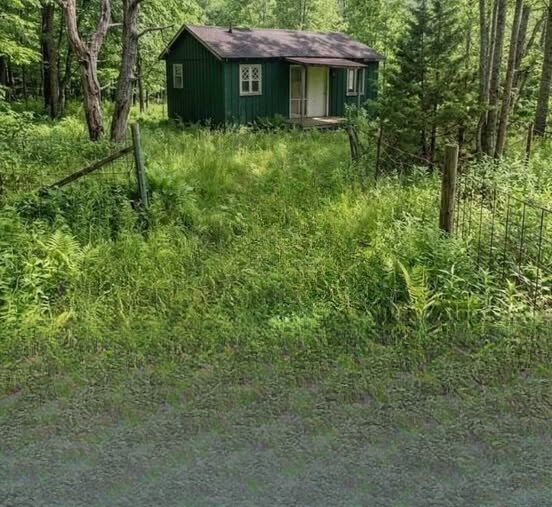
A Peaceful Escape in Southeastern Ohio: Discovering Slow Living, Cabin Retreats, and Off-Grid Dreams
There comes a point in life when the ordinary routines of modern living begin to feel heavier than they once did. The constant notifications, crowded schedules, traffic, rising expenses, and pressure to remain productive can gradually make even the simplest days feel exhausting.
For some people, the realization arrives during a quiet evening at home. For others, it comes after a particularly stressful week, a major life change, or a vacation that reminds them how peaceful life can feel when there is less to do.
Whatever the reason, the desire for a simpler lifestyle has encouraged many people to reconsider what they truly need to feel happy and fulfilled.
In southeastern Ohio, where rolling hills, wooded landscapes, winding country roads, and small rural communities create a slower atmosphere, that desire can feel especially appealing. The region offers a setting in which people can imagine stepping away from crowded neighborhoods and reconnecting with nature.
For those drawn to cabin living, homesteading, or off-grid possibilities, the appeal goes beyond the idea of owning a small house in the woods. It represents a different relationship with time, money, work, and the natural world.
The dream is not necessarily about abandoning modern life entirely. Instead, it is about deciding which parts of modern life are worth keeping and which habits may be preventing us from enjoying the things that matter most.
Why More People Are Drawn to Slow Living
Slow living is not a strict lifestyle with a universal set of rules. It is a way of approaching everyday life with greater intention, placing value on experiences and relationships rather than measuring success entirely through productivity or material possessions.
For one person, slow living might mean preparing meals at home, spending more time outdoors, and limiting unnecessary screen time. For another, it could mean moving to a rural community, growing vegetables, or creating a home that requires less maintenance and fewer expenses.
The central idea is simple: life should not feel like an endless race from one obligation to another.
Modern conveniences can make many tasks easier, but they can also create expectations of constant availability. Work messages arrive outside office hours, social media encourages endless comparison, and packed schedules leave little room for spontaneous moments.
Over time, these habits can make it difficult to recognize how much of our attention is being consumed by things that do not contribute meaningfully to our well-being.
A slower lifestyle creates opportunities to reconsider those patterns.
Imagine waking up without immediately checking a phone. Instead, you open a window, listen to birds in the trees, and take a few minutes to enjoy a cup of coffee before beginning the day.
The moment itself may be small, but repeating such habits can change the way everyday life feels.
For people who dream of cabin living in southeastern Ohio, this sense of calm is often part of the attraction. The surrounding landscape offers a reminder that not every moment needs to be filled with activity.
The Natural Beauty of Southeastern Ohio
<AsyncImageGroup query={[“Southeastern Ohio Appalachian foothills rolling wooded hills rural countryside”,”Hocking Hills Ohio forest trail sandstone cliffs nature”,”rural southeastern Ohio countryside small cabin among trees”]} layout=”bento” aspectRatio=”5:4″ size=”lg” />
Southeastern Ohio is known for its varied landscapes, including forested hills, winding streams, farmland, and scenic valleys. Parts of the region lie within the Appalachian foothills, creating terrain that feels different from the flatter agricultural landscapes found elsewhere in the state.
The scenery changes with the seasons.
Spring brings fresh green growth, blooming wildflowers, and renewed activity throughout the forests. Summer fills the countryside with dense foliage and long daylight hours. Autumn transforms the hillsides into a colorful patchwork of orange, yellow, red, and brown. Winter offers quieter views, bare branches, and the occasional blanket of snow.
For someone considering a cabin retreat, these seasonal changes can become part of daily life rather than something experienced only during an occasional vacation.
A morning walk might follow a wooded trail. An afternoon could involve working in a garden or reading on a porch. On a cool evening, the simple pleasure of sitting outside and watching the sky darken may feel more rewarding than another busy night in town.
Of course, rural living is not automatically peaceful every day. Weather, maintenance, transportation, and practical responsibilities remain part of the experience.
Nevertheless, the opportunity to spend more time in a natural setting can be an important reason people explore properties and lifestyle options in the region.
The Appeal of a Small Cabin in the Woods
<AsyncImageGroup query={[“small rustic wooden cabin tucked among trees Ohio countryside”,”cozy modest woodland cabin front porch rural America”,”simple timber cabin surrounded by autumn forest”]} layout=”carousel” aspectRatio=”5:4″ size=”lg” />
A cabin does not need to be large or luxurious to feel inviting. In fact, part of its appeal often comes from its simplicity.
A modest structure with a comfortable living area, a functional kitchen, a bedroom, and a covered porch can provide everything some people need for a peaceful retreat.
The focus shifts away from square footage and toward how the space supports daily life.
Instead of maintaining several unused rooms, a cabin owner might spend more time enjoying the surrounding land. Instead of filling every corner with furniture, the home can be organized around a few useful items and personal belongings.
Smaller spaces can also encourage more deliberate purchasing decisions. When storage is limited, people may become more selective about what they bring into the home and what they truly use.
However, small homes require thoughtful planning. Adequate insulation, ventilation, heating, plumbing, and moisture control are important, especially in a region with seasonal temperature changes.
A beautiful cabin can become uncomfortable or expensive to maintain if essential systems are poorly designed.
Anyone considering a cabin property should look beyond attractive photographs and carefully assess the building’s condition, access, utilities, and ongoing costs.
The goal is not simply to find a house that looks peaceful. It is to find a place that supports a practical, sustainable way of living.
What Off-Grid Living Really Means
The phrase off-grid living often brings to mind a remote cabin surrounded by trees, powered by solar panels and supplied by a private well.
That image can be appealing, but off-grid living can take many different forms.
Some households disconnect almost completely from public utility networks. Others use a combination of conventional services and independent systems to reduce their reliance on outside infrastructure.
A property might have solar panels while remaining connected to the electrical grid. Another might rely on a private well and septic system but use a conventional internet connection.
There is no single definition that fits every household.
For people interested in off-grid living in southeastern Ohio, the most important step is understanding what the property can realistically support.
Electricity, water, wastewater, heating, communication, and road access must all be considered. A location that appears ideal during a summer visit may present different challenges during winter weather or periods of heavy rain.
Off-grid living also requires maintenance and planning. Solar equipment needs to be installed correctly, batteries have limitations, water systems require attention, and backup arrangements may be necessary when equipment fails.
Independence does not mean never needing assistance. It means understanding the systems that support your home and preparing to manage them responsibly.
Solar Power and Energy Independence
<AsyncImage query=”small rural cabin with rooftop solar panels surrounded by green trees and wooded hills” aspectRatio=”16:9″ width=”100%” />
Solar energy is one of the most recognizable features associated with off-grid homes.
A properly designed solar system can generate electricity from sunlight and help reduce dependence on conventional power sources. When paired with suitable battery storage, it can provide electricity after sunset and during periods when solar production is limited.
However, the system must be matched to the household’s actual energy needs.
Lighting, refrigeration, water pumps, computers, cooking appliances, heating equipment, and other devices all contribute to electricity demand. Some appliances use far more energy than others, and heating or cooling a home can require substantial power.
A household that uses a few lights and small electronics will have very different requirements from one that operates electric heating, a large refrigerator, and several high-demand appliances.
Weather and seasonal sunlight also matter. Solar production varies throughout the year, and cloudy periods can reduce output. Battery capacity, backup power, and energy conservation therefore need to be considered during the planning stage.
Before installing an independent energy system, property owners should consult qualified professionals and review local building and electrical requirements.
The most successful systems are not necessarily the largest. They are the ones designed around realistic expectations, efficient equipment, and a clear understanding of daily energy use.
Water, Wells, and Waste Management
Electricity often receives the most attention in discussions about off-grid living, but water can be just as important.
A rural property may use a private well, a permitted spring system, rainwater collection for appropriate uses, or another arrangement suited to the location.
Each option comes with different considerations.
Private wells must be properly constructed and maintained, and water quality should be tested according to appropriate recommendations. Nearby land use, groundwater conditions, and the condition of the well can all affect water safety.
Rainwater collection can be useful for some non-drinking purposes, but water intended for drinking requires appropriate treatment and testing. Collection systems should be designed to reduce contamination risks.
Wastewater management is another essential consideration. A property may depend on a septic system or another approved wastewater solution. These systems require proper installation, suitable site conditions, and ongoing maintenance.
A seemingly inexpensive rural property can become a costly project if its water source is unreliable or its wastewater system needs major work.
For that reason, anyone considering a remote home should verify the status and condition of these systems before making a purchase.
Growing Food and Learning Practical Skills
<AsyncImageGroup query={[“small vegetable garden beside rustic rural cabin”,”raised garden beds with vegetables in a countryside homestead”,”simple backyard greenhouse vegetable garden rural property”]} layout=”carousel” aspectRatio=”5:4″ size=”lg” />
For many people, the appeal of a rural lifestyle includes growing some of their own food.
A small vegetable garden can provide fresh ingredients, encourage outdoor activity, and create a satisfying connection between effort and reward.
Tomatoes, lettuce, beans, herbs, squash, and other vegetables can be suitable choices depending on the local climate, available sunlight, soil conditions, and growing season.
A successful garden does not require a large property. Raised beds, containers, and carefully planned planting areas can work well in relatively small spaces.
Still, gardening requires patience and preparation. Soil quality, drainage, watering, pests, and seasonal timing all influence results.
People new to growing food may find it easier to begin with a few plants rather than attempting to produce everything they eat. Over time, experience can help them determine which crops are worth growing and how much work the garden requires.
Other homesteading activities may include composting suitable organic material, maintaining fruit trees, preserving seasonal produce, or learning basic repair skills.
These activities can make everyday life feel more connected to the seasons. They can also reduce some household expenses, although the initial cost of tools, materials, and equipment should not be overlooked.
The aim is not necessarily total self-sufficiency. Even a modest amount of homegrown food can make rural living more rewarding.
The Financial Side of Cabin Life
One common misconception about moving to the countryside is that rural living is always inexpensive.
A smaller home may cost less to heat and maintain than a large house, and some properties may have lower purchase prices than homes in major metropolitan areas. However, the total cost depends heavily on the property, its location, and the lifestyle of its occupants.
Remote properties may require private water and wastewater