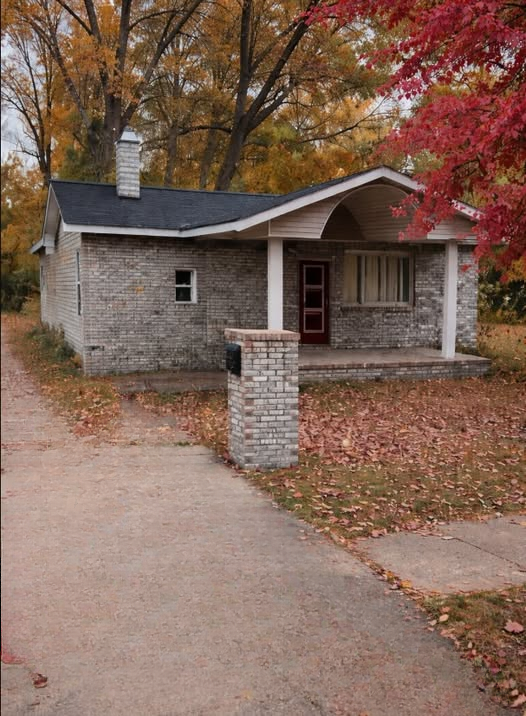
An Affordable Home With Potential: What Buyers Should Know Before Making a Move
Discover how a modest property can become a comfortable long-term home through careful planning, thoughtful improvements, and informed financial decisions.
Finding an affordable home has become an important goal for many people navigating today’s housing market. Rising property prices, construction expenses, and competition for desirable locations can make purchasing a home challenging, particularly for first-time buyers and families working within a limited budget.
As a result, some prospective homeowners are looking beyond newly renovated properties and considering houses that offer something equally valuable: potential.
A property does not always need a modern kitchen, recently updated bathrooms, or perfectly landscaped gardens to become an attractive place to live. In some cases, a home with a practical layout, a suitable location, and enough room for future improvements may offer buyers an opportunity to create a living space that reflects their needs and preferences.
However, purchasing a property that requires work involves more than identifying an appealing price. Buyers must carefully evaluate the condition of the building, estimate renovation expenses, understand ongoing ownership costs, and determine whether the investment fits their long-term plans.
For those prepared to research their options, an affordable home with room to grow may offer a practical path toward homeownership.
Why Buyers Are Looking Beyond Newly Renovated Properties
Move-in-ready homes can be appealing because they require less immediate work. Updated interiors, modern appliances, and finished outdoor spaces allow buyers to settle in without managing major projects.
Nevertheless, these features can contribute to a higher asking price, depending on the local market and the quality of the improvements.
Buyers with limited budgets may therefore consider properties that have older finishes or spaces that could benefit from updating. Such homes can provide an opportunity to prioritize improvements over time rather than paying for every upgrade before moving in.
For example, a house with a structurally sound building, a functional floor plan, and an outdated kitchen might offer more flexibility than a smaller property with expensive finishes but limited living space.
The key is understanding the difference between cosmetic improvements and significant repairs.
Replacing old cabinet doors, refreshing paint, or updating light fixtures is generally more manageable than repairing a damaged foundation, replacing an entire roof, or addressing extensive moisture problems.
A lower purchase price can be attractive, but it should never be the only factor influencing a buying decision.
Start With the Property’s Essential Features
When evaluating an affordable home, buyers should first examine the features that are difficult or expensive to change.
The property’s location is one of the most important considerations. Access to employment, schools, healthcare facilities, public transportation, grocery stores, and other everyday services can influence both convenience and long-term desirability.
A home that requires cosmetic updates but is located in an area that suits the buyer’s lifestyle may be worth considering. Conversely, a property that appears inexpensive but involves long commutes or limited access to essential services may create additional costs over time.
The building’s fundamental condition is equally important.
Before making an offer, prospective buyers should assess the roof, foundation, exterior walls, plumbing, electrical systems, heating equipment, windows, and signs of water damage.
These elements can affect safety, comfort, and the total cost of ownership. Where possible, buyers should arrange a professional property inspection and obtain specialist advice when significant concerns are identified.
Understanding the property’s current condition helps buyers make decisions based on realistic expectations rather than appearance alone.
Calculate the Full Cost of Ownership
One of the most common mistakes buyers make is focusing exclusively on the purchase price.
Owning a home involves several additional expenses, including taxes, insurance, utilities, maintenance, and potential repairs. Depending on the property, buyers may also need to budget for homeowners’ association fees, shared building expenses, or local service charges.
Renovation costs can add another layer of financial responsibility.
Before committing to a purchase, buyers should prepare a realistic budget that includes both immediate expenses and anticipated improvements.
For example, consider a hypothetical property purchased below the typical price of comparable move-in-ready homes. The initial savings might appear substantial, but replacing an aging heating system, repairing damaged windows, and addressing plumbing issues could reduce the financial advantage.
This does not automatically make the purchase a poor decision. It simply means that the numbers should be examined carefully.
A useful approach is to obtain written estimates for major repairs, compare the total expected cost with similar properties in the area, and maintain a reserve for unexpected expenses.
Renovation estimates are not guarantees. Hidden problems may become apparent only after work begins, so buyers should avoid spending their entire available budget on the purchase itself.
Focus on Improvements That Make Everyday Life Better
Once the property’s essential condition has been evaluated, buyers can consider improvements that increase comfort and functionality.
Not every project needs to be completed immediately. In fact, dividing renovations into manageable stages can make homeownership less stressful and easier to finance.
Refresh the Interior With Simple Changes
Fresh paint, improved lighting, updated cabinet hardware, and carefully chosen window coverings can make an older home feel cleaner and more inviting.
These changes are often less expensive than replacing entire rooms and can help buyers personalize the property without undertaking extensive construction.
Neutral colors may also create a flexible background for different furniture styles and decorative preferences.
Before starting any project, however, buyers should check for underlying problems such as leaks, damaged plaster, or mold. Covering up a visible issue without addressing its cause may lead to additional expenses later.
Make the Kitchen More Functional
The kitchen is an important part of daily life, but a complete renovation is not always necessary.
Depending on the condition of the existing space, improvements might include better storage, more efficient lighting, repaired cabinet doors, updated handles, or replacing a damaged countertop.
Keeping the existing layout can sometimes reduce labor costs because major plumbing and electrical changes may be unnecessary.
However, safety should remain a priority. Electrical work, gas installations, and other specialized tasks should be handled by appropriately qualified professionals.
A practical kitchen that meets the household’s needs can be more valuable to everyday living than an expensive design that exceeds the available budget.
Improve Energy Efficiency
Energy efficiency is another area worth examining when purchasing an older property.
Drafty windows, insufficient insulation, inefficient heating equipment, and poorly sealed exterior doors can contribute to higher energy consumption.
Depending on the home’s condition and local climate, improvements might include sealing air leaks, adding suitable insulation, servicing heating equipment, or replacing particularly inefficient components.
The most effective improvements will depend on the property’s existing systems, local energy prices, and the cost of installation.
Buyers should compare estimated savings with upfront expenses instead of assuming every energy-related upgrade will quickly pay for itself.
Make Use of Available Space
A home with additional space can offer flexibility as a household’s needs change.
An unused room might become a home office, a study area, a hobby room, or a guest bedroom. A spacious living area may accommodate different furniture arrangements, while a suitable outdoor space could provide room for gardening or recreation.
However, buyers should distinguish between usable space and space that requires substantial work before it can serve a practical purpose.
An unfinished basement, attic, or garage may appear to offer easy expansion opportunities, but converting these areas into living space can involve insulation, ventilation, moisture control, fire safety, structural considerations, and building permits.
Local regulations may also restrict how particular spaces can be used.
Before planning an extension or conversion, buyers should consult qualified professionals and confirm which improvements are legally permitted.
Careful planning can help ensure that a property’s potential is realistic rather than simply attractive on paper.
Think About Future Needs
Purchasing a home is not only about meeting current requirements. It can also involve anticipating how those requirements might change.
A first-time buyer may initially need only a bedroom and a comfortable living area. In the future, additional space might become useful for children, visiting relatives, remote work, or changing personal circumstances.
Buyers should consider whether the property offers enough flexibility to accommodate these possibilities.
Accessibility can also be relevant. Depending on individual needs, features such as fewer stairs, wider pathways, suitable bathroom arrangements, and convenient access to essential rooms may make a home more comfortable over time.
It is not necessary to predict every future change. Instead, buyers can identify the features most likely to remain useful and avoid paying for unnecessary upgrades.
A property that supports changing needs may provide greater long-term convenience than one selected solely for its immediate appearance.
Understand the Risks of Buying a Property That Needs Work
Although affordable properties can present opportunities, they also involve risks that deserve careful attention.
Major structural defects can be expensive to repair. Older buildings may contain materials that require specialized handling, and outdated electrical or plumbing systems may need comprehensive upgrades.
Some properties may also have unresolved permit issues, boundary disputes, unpaid charges, or restrictions affecting future renovations.
These concerns vary by location and property type, but they demonstrate why due diligence is essential.
Before completing a purchase, buyers should review available property records, confirm ownership and legal status, investigate any relevant restrictions, and seek professional advice about significant concerns.
They should also consider how much time and effort renovations will require. Managing contractors, comparing quotes, ordering materials, and dealing with unexpected delays can be demanding, particularly for people working full-time or living elsewhere during construction.
A home that requires extensive work may be unsuitable for buyers who need immediate occupancy or have little financial flexibility.
Being realistic about these limitations is just as important as recognizing the property’s potential.
Compare the Property With Other Options
A low asking price does not necessarily mean a home represents the best value.
Buyers should compare similar properties in the same area, taking account of size, condition, location, and likely renovation expenses.
Where reliable local data is available, recent sales can provide a more useful comparison than asking prices alone.
It may also be worth comparing the total cost of renovating an older home with the cost of purchasing a smaller property that requires fewer repairs.
For example, one buyer may prefer a larger house that can be improved gradually. Another may find that a smaller, more efficient property offers lower maintenance costs and greater financial security.
Neither choice is automatically better. The right decision depends on individual priorities, available funds, household needs, and tolerance for uncertainty.
Buyers should avoid assuming that renovations will always increase a property’s market value by more than they cost. Improvements can make a home more comfortable, but resale value depends on local demand, workmanship, property condition, and other market factors.
A Practical Approach to Buying With Confidence
Before making a final decision, prospective buyers can follow a straightforward evaluation process.
First, establish a realistic purchase budget that accounts for transaction costs and ongoing ownership expenses.
Second, inspect the property carefully and identify repairs that must be completed before it can be occupied safely.
Third, obtain estimates for major work and determine which improvements can reasonably wait.
Fourth, investigate the property’s legal status and confirm that planned alterations comply with applicable requirements.
Finally, compare the total expected cost with alternative homes and consider whether the property remains suitable if renovation expenses increase or the work takes longer than expected.
Taking these steps will not eliminate every risk, but it can help buyers make more informed decisions.
Where financing is involved, buyers should also confirm that their lender’s requirements are compatible with the property’s condition and intended renovations.
The goal is not to find a perfect house at an unusually low price. It is to identify a property whose costs, condition, and possibilities align with a realistic financial plan.
Conclusion: Finding Value Beyond First Impressions
An affordable home with room to grow can be an appealing option for buyers who are willing to look beyond outdated finishes and consider a property’s practical strengths.
A suitable location, sound structure, functional layout, and opportunities for gradual improvement may create a foundation for comfortable long-term living.
Nevertheless, the decision requires careful research. Repair expenses, maintenance responsibilities, legal restrictions, and future financial commitments should all be considered before purchasing.
The most successful home-buying decisions are rarely based on appearance alone. They come from understanding what a property offers, recognizing its limitations, and determining whether its potential justifies the total investment.
For buyers prepared to take a thoughtful approach, an older or modest home may offer the opportunity to create a space that reflects their preferences and supports their future plans.
Ultimately, the best home is not necessarily the newest, largest, or most expensive. It is the one that meets the household’s needs, fits its budget, and provides a realistic foundation for the years ahead.