History is often remembered through grand monuments, famous landmarks, and significant events. Yet some of the most meaningful reminders of the past are found in much smaller details—objects that quietly reflect the lives, traditions, and craftsmanship of earlier generations.
Whether it’s an antique household fixture, a family heirloom, or an unusual feature incorporated into a memorial, these items encourage us to pause and consider the stories they represent. They remind us that history is not only preserved in books and museums but also in the everyday objects people once used and valued.
Discovering an Unusual Memorial Feature
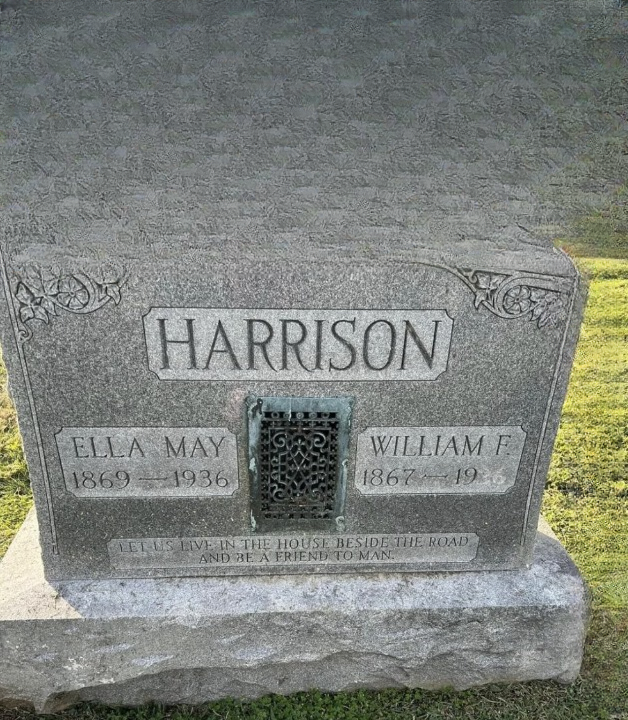
Visitors to historic cemeteries occasionally notice memorials that include distinctive decorative elements unlike those found on neighboring graves.
At first glance, these additions may seem unusual or difficult to identify. However, many are connected to the occupations, interests, or daily lives of the individuals being remembered.
One feature that sometimes attracts attention is a cast-iron component resembling the floor grates commonly found in older homes.
To modern visitors, it may appear to be an unexpected choice for a memorial.
In reality, objects like these often carry personal significance rather than serving as purely decorative features.
The History of Cast-Iron Floor Grates
During the late nineteenth and early twentieth centuries, cast-iron floor grates became common architectural features in many homes.
Installed above heating systems or ventilation ducts, these grates allowed warm air to circulate naturally between rooms.
Their practical purpose was straightforward, but they were also carefully designed.
Manufacturers frequently produced decorative patterns featuring geometric shapes, floral motifs, and intricate scrollwork, allowing homeowners to combine functionality with craftsmanship.
Many historic houses still preserve these original fixtures, offering a glimpse into construction techniques and design preferences from earlier generations.
More Than Functional Objects
Although floor grates were everyday household items, they often became lasting symbols of comfort and family life.
For many people, they evoke memories of:
- Childhood homes
- Winter evenings gathered with family
- Traditional craftsmanship
- Historic architecture
- The warmth and familiarity of everyday routines
Because these objects were part of daily life for decades, they sometimes held emotional value that extended well beyond their practical function.
Personal Symbols in Memorial Design
Memorials frequently include objects that reflect an individual’s life story.
Rather than relying solely on names and dates, families sometimes choose symbols representing occupations, hobbies, achievements, or meaningful experiences.
Examples may include:
- Books for educators or lifelong readers
- Musical instruments for performers
- Gardening tools for passionate gardeners
- Religious symbols reflecting personal faith
- Artistic designs inspired by family traditions
In some cases, architectural elements from a beloved home or workplace may also be incorporated into a memorial as a tribute to a life well lived.
Preserving Craftsmanship Across Generations
Cast iron played an important role in architecture throughout the nineteenth and early twentieth centuries.
Beyond floor grates, it appeared in:
- Decorative fences
- Stair railings
- Building facades
- Park benches
- Balcony railings
- Street fixtures
Many of these pieces were handcrafted or produced using detailed casting techniques that reflected remarkable skill and attention to detail.
Today, preservation organizations continue working to restore and protect these historic features because they represent both engineering and artistic achievement.
Why Small Details Matter
Objects that appear ordinary today may become valuable historical artifacts tomorrow.
Everyday items provide insight into:
- How people lived
- The technologies they relied upon
- Popular design trends
- Local craftsmanship
- Family traditions
By preserving these objects, communities maintain connections to the experiences of previous generations.
Appreciating Historic Cemeteries as Places of Learning
Historic cemeteries serve not only as places of remembrance but also as valuable cultural and historical resources.
Walking among older memorials reveals changing styles of architecture, sculpture, symbolism, and craftsmanship across different time periods.
Visitors often discover details that spark curiosity and encourage further exploration into local history.
These spaces remind us that every memorial reflects an individual story shaped by family, community, work, and personal values.
A Lasting Connection Between Home and Memory
For many families, home represents far more than a physical building.
It symbolizes comfort, belonging, shared experiences, and the everyday moments that define a lifetime.
When architectural elements or familiar household objects appear within a memorial, they may represent those cherished memories rather than simply serving as decoration.
Such choices help preserve a personal connection that continues long after a person’s lifetime.
Final Thoughts
Historic memorials often contain thoughtful details that invite reflection rather than immediate understanding. What first appears to be an unusual cast-iron object may actually represent decades of family memories, traditional craftsmanship, or a meaningful connection to home.
By taking time to appreciate these subtle features, we gain a deeper understanding of the people who came before us and the objects that shaped their daily lives.
Sometimes the smallest details tell the richest stories, reminding us that history is preserved not only through extraordinary events but also through the ordinary things that brought comfort, purpose, and identity to generations past.