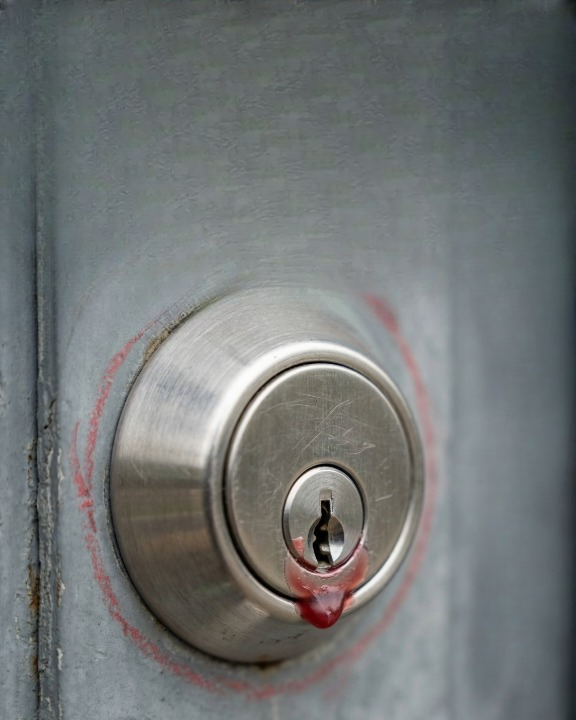
Coming home after a long day is usually a routine experience. You expect familiarity, comfort, and safety. So when something unusual appears on your front door—such as a small mark, residue, or unknown substance—it can naturally cause concern.
One example people sometimes notice is a faint red wax-like substance near or on a door lock. While this can feel alarming at first glance, there are several possible explanations, and not all of them indicate anything serious.
Understanding the possibilities can help you respond calmly and take appropriate steps if needed.
Possible Everyday Explanations
In many cases, unusual marks on a door lock have simple and harmless causes.
1. Accidental Contact
Red wax or wax-like residue may come from everyday sources such as:
- A candle being carried nearby
- Wax packaging or decorative items
- Contact with melted wax during transport or storage
It is easy for small traces of wax to transfer onto surfaces without being noticed.
2. Maintenance or Repair Work
If your building or home has recently undergone maintenance, the substance could be related to:
- Temporary sealing materials
- Marking compounds used by technicians
- Lubricants or protective coatings that resemble wax
In shared residential buildings, such marks can sometimes appear without direct communication to residents.
3. Environmental or External Transfer
Outdoor elements can also lead to unexpected marks on doors and locks, such as:
- Residue from nearby surfaces or objects
- Contact with items carried in bags or clothing
- Materials transferred during deliveries or passing contact
Because locks are frequently touched and exposed, they can easily collect substances from external sources.
Less Common but Important Considerations
While most cases have harmless explanations, it is still reasonable to remain observant if something appears unusual or repeated.
1. Repeated Markings
If you notice similar marks appearing multiple times over a short period, it may be helpful to:
- Take photos for reference
- Note the time and date
- Observe whether neighbors are experiencing similar issues
Patterns are more meaningful than a single isolated incident.
2. Unfamiliar or Unexplained Activity
If the mark appears alongside other unusual signs—such as tampering with the lock, damage to the door, or repeated disturbances—it may warrant further attention.
In such situations, it is always better to prioritize awareness and basic precaution rather than assumptions.
Practical Steps You Can Take
If you find an unfamiliar substance like wax on your door lock, here are some simple and reasonable steps:
- Carefully clean the area using appropriate household cleaning materials
- Avoid touching the substance unnecessarily
- Check the lock for any visible damage or obstruction
- Make sure the door is functioning normally
- Inform building management if you live in an apartment complex
These actions are usually sufficient in most situations.
When to Seek Additional Support
If anything continues to feel unusual or concerning, it can be helpful to:
- Speak with neighbors to compare observations
- Contact building maintenance or management
- Consider installing basic home security measures for peace of mind
Most importantly, avoid jumping to conclusions based on a single observation. Context matters, and many situations have simple explanations once more information is available.
Staying Calm and Observant
Unexpected details like a mark on a door can easily trigger concern because they appear out of place in a familiar environment. However, in many cases, the explanation is far less serious than it initially seems.
Approaching the situation calmly allows you to assess it clearly, gather information, and respond appropriately without unnecessary worry.
Final Thoughts
Finding something unusual on your home’s lock can be unsettling, but it is important to consider all possible explanations before drawing conclusions. In most cases, substances like wax or residue come from harmless sources such as accidental contact, maintenance work, or environmental transfer.
By staying observant, taking simple precautions, and seeking clarification when needed, you can maintain both safety and peace of mind in your living space.