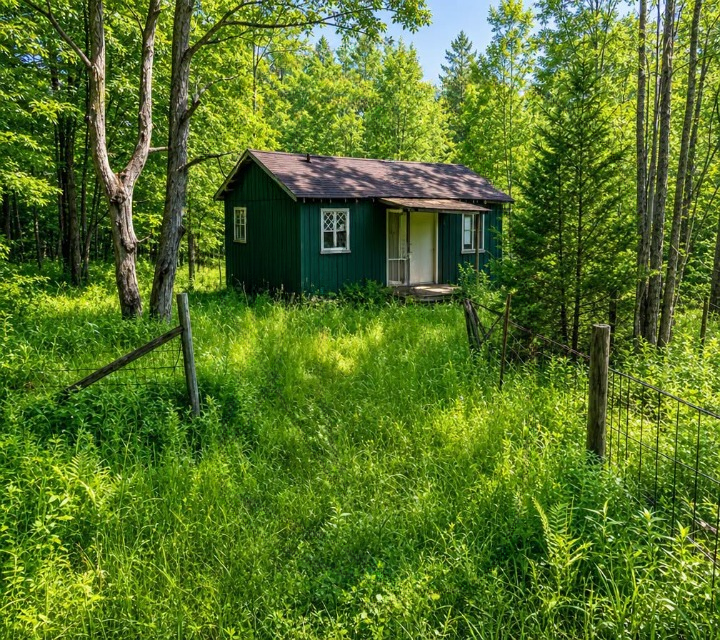
A Quiet Escape in Southeastern Ohio: Exploring Slow Living, Cabin Life, and Off-Grid Dreams
There is a growing interest in lifestyles that place greater emphasis on simplicity, time outdoors, and a slower daily routine. For some people, that interest leads them toward small towns and rural communities. For others, it inspires the idea of living in a cabin surrounded by trees, spending more time outside, and reducing the distractions that often come with modern life.
Southeastern Ohio has become an appealing setting for people who are interested in this way of living. With its wooded hills, winding roads, small communities, farmland, streams, and changing seasons, the region offers a landscape that can feel very different from a busy urban environment.
The appeal is not necessarily about abandoning modern life completely. Instead, slow living and cabin life can mean choosing what deserves attention, reducing unnecessary distractions, and creating a home environment that feels more connected to nature.
For some people, that might mean moving into a small cabin. For others, it could simply mean spending weekends in a rural property, growing a garden, learning practical skills, or taking more time away from screens and busy schedules.
The idea of a quieter lifestyle is increasingly relevant as people reconsider how they use their time, what they need in a home, and what kind of environment helps them feel comfortable.
Why Southeastern Ohio Appeals to Cabin Enthusiasts
Southeastern Ohio has a landscape that naturally lends itself to cabin living.
The region includes extensive wooded areas, rolling terrain, small valleys, waterways, and rural communities. Unlike densely populated metropolitan areas, many parts of southeastern Ohio offer more open space and a stronger connection to the surrounding landscape.
For someone imagining a cabin surrounded by trees, this environment can be particularly attractive.
The region also experiences four distinct seasons. Spring brings new growth and changing landscapes, summer provides long days outdoors, autumn transforms the forests with colorful foliage, and winter creates a quieter atmosphere across rural areas.
Each season offers different opportunities for outdoor activities and home projects.
A cabin owner might spend spring preparing a garden, summer maintaining outdoor spaces, autumn gathering firewood and preparing for colder temperatures, and winter enjoying indoor activities while watching the landscape change outside.
This seasonal rhythm is one of the features that attracts people to rural living.
The Appeal of a Slower Routine
Slow living is often misunderstood as simply doing everything more slowly.
In practice, it is more about being intentional about how time is spent.
Someone following a slower lifestyle may choose to reduce unnecessary commitments, spend more time with family, prepare meals at home, spend time outdoors, or create regular periods without digital distractions.
The goal is not necessarily to reject modern technology.
A person living in a rural cabin may still use a smartphone, internet connection, modern appliances, and other conveniences. The difference is that these tools may occupy a smaller part of the person’s daily routine.
Instead of constantly moving between notifications, appointments, traffic, and crowded environments, the person may have more opportunities to focus on a smaller number of activities.
That change can be appealing to people who feel that their schedules have become overly complicated.
Cabin Life Is About More Than a Building
Pictures of cabins often emphasize beautiful landscapes, fireplaces, porches, and peaceful surroundings. While those features can certainly be part of the experience, actual cabin living involves considerably more than enjoying a scenic view.
A cabin is a home that requires maintenance.
Depending on the property, owners may need to manage heating, plumbing, electrical systems, water supplies, septic systems, roofing, insulation, roads, landscaping, and other practical concerns.
A remote property can also require more planning than a home in a city or suburban neighborhood.
For example, a homeowner may need to think carefully about how far the nearest grocery store, medical facility, hardware store, and emergency service is located.
Winter weather can create additional challenges in rural areas, especially on roads that are less frequently traveled.
For these reasons, anyone considering cabin living should look beyond the romantic image and carefully evaluate the practical side of rural homeownership.
What Off-Grid Living Actually Means
The phrase “off-grid living” can describe many different arrangements.
For some people, it means producing most of their own electricity through solar panels and battery storage.
For others, it might involve a private well, septic system, wood heating, rainwater collection, gardening, or other forms of self-reliance.
There is no single definition of an off-grid lifestyle.
Some households may operate almost completely independently from public utilities, while others may use a combination of traditional utilities and alternative systems.
For example, a property might have electricity from the local utility while also using solar panels to reduce energy consumption.
Another property might rely on a private well for water but remain connected to the electrical grid.
This flexibility allows people to incorporate elements of self-sufficiency without making a complete transition to an entirely independent system.
The Importance of Planning Before Buying Rural Property
Anyone considering purchasing land or a cabin in southeastern Ohio should research the property carefully before making a decision.
A beautiful setting does not necessarily mean that a property will be easy or inexpensive to maintain.
Potential buyers should investigate issues such as road access, property boundaries, zoning regulations, building requirements, water availability, septic systems, electricity, internet access, insurance, and local services.
The condition of an existing cabin is also important.
A property that appears charming in photographs may require substantial repairs.
Roofing, foundations, insulation, windows, plumbing, heating systems, electrical wiring, and drainage can all influence the true cost of owning a rural property.
Professional inspections can help identify issues that may not be obvious during a casual visit.
Water and Waste Management
Water is one of the most important considerations for rural living.
Some properties have access to municipal water systems, while others rely on private wells.
A private well can provide a reliable water source when properly maintained, but it requires testing and maintenance.
Homeowners should understand the quality of the water, the condition of the well, and any local requirements that apply to the property.
Wastewater management is another important consideration.
Rural homes may use septic systems rather than municipal sewer services. Septic systems require appropriate installation and regular maintenance.
Anyone buying a rural property should understand how the existing system works and whether it is properly sized and maintained.
These practical details may not be as visually appealing as a cabin porch or forest view, but they can have a major impact on everyday life.
Heating a Rural Home
Heating is another important part of cabin living, particularly in areas that experience cold winters.
Some cabins use electric heating, propane, natural gas, heat pumps, wood stoves, or combinations of several systems.
Wood heating is sometimes associated with traditional cabin life, but it requires significant preparation and maintenance.
Firewood must be sourced, cut, split, dried, and stored properly.
Wood-burning appliances also need appropriate installation and regular inspection.
Regardless of the heating method, homeowners should have a reliable plan for maintaining comfortable indoor temperatures during periods of cold weather.
Energy Independence and Solar Power
Solar energy has become an increasingly interesting option for rural homeowners.
A properly designed solar system can provide electricity for lighting, appliances, communications equipment, and other household needs.
However, solar power does not mean that electricity is unlimited.
The size of the solar array, battery storage capacity, seasonal sunlight, household consumption, and equipment efficiency all influence how much electricity is available.
People considering an off-grid system should calculate their expected energy use before purchasing equipment.
Essential loads such as refrigeration, water pumps, heating systems, and communications equipment may require more energy than expected.
A backup power source can also be important for certain properties.
Gardening and Growing Food
One of the attractions of rural living is having space for a garden.
A vegetable garden can provide fresh produce while also becoming a meaningful outdoor activity.
Common garden crops may include tomatoes, peppers, lettuce, beans, squash, potatoes, herbs, and other seasonal vegetables.
However, successful gardening depends on soil quality, sunlight, water availability, climate, pests, and appropriate planting times.
Growing food also requires regular attention.
A garden does not eliminate grocery shopping or household expenses, and it can take considerable time to prepare the soil, plant seeds, control weeds, monitor plants, and harvest produce.
For many people, however, the value comes not only from the food itself but from the experience of cultivating something from the ground.
Learning Practical Skills
Cabin living can encourage people to learn skills that may not be part of everyday urban life.
These might include basic carpentry, gardening, food preservation, firewood preparation, equipment maintenance, landscaping, and simple repairs.
Learning these skills can increase confidence and reduce reliance on outside services for minor projects.
At the same time, some jobs should still be handled by qualified professionals.
Electrical work, major plumbing repairs, structural changes, septic issues, and other specialized tasks can involve safety and regulatory considerations.
Self-reliance does not mean doing everything alone.
It means understanding what you can reasonably handle yourself and knowing when professional assistance is appropriate.
The Psychological Appeal of Nature
People are often drawn to natural environments because they provide a different sensory experience from busy urban settings.
Instead of traffic and dense buildings, rural environments may feature birds, wind moving through trees, rainfall, insects, streams, and other natural sounds.
The visual environment can also change significantly throughout the year.
For someone accustomed to a busy schedule, simply sitting outside and observing the surrounding landscape may provide a welcome break from constant activity.
Spending time outdoors can also encourage physical activity.
Walking trails, gardening, maintaining property, chopping firewood, and other outdoor tasks naturally involve movement.
However, rural living should not be presented as a guaranteed solution for stress or other personal challenges. People respond differently to environments and lifestyles, and what feels peaceful to one person may feel isolating to another.
The Social Side of Rural Life
Living in a quiet area does not necessarily mean living without community.
Many rural communities have strong networks of neighbors, local organizations, community events, churches, volunteer groups, schools, farmers’ markets, and small businesses.
Neighbors may know one another well and offer practical assistance when needed.
At the same time, people moving from urban areas may need time to adjust to the social structure of a smaller community.
Distances can be greater, services may be less frequent, and entertainment options may be more limited.
For people who enjoy privacy and quiet, these characteristics may be positive. For others, they may require adjustment.
Understanding the local community before purchasing property can therefore be just as important as evaluating the house itself.
Internet Access and Remote Work
Modern technology has changed what rural living can look like.
People who work remotely may be able to live farther from traditional employment centers as long as they have reliable internet access.
However, internet availability can vary considerably between rural properties.
Anyone depending on a stable connection for employment, business, education, or communication should verify service availability before purchasing land or a cabin.
It is not enough to assume that a property has internet simply because it is located within a developed county.
Potential buyers should check available providers, connection types, expected speeds, installation costs, and reliability.
For some remote properties, satellite-based services may be an option, while other locations may have access to wired or wireless broadband.
Financial Considerations
Cabin living is sometimes presented as an inexpensive alternative to conventional homeownership, but the reality depends heavily on the property.
A small house may cost less to purchase than a large suburban home, but maintenance and infrastructure can add significant expenses.
Potential costs may include:
Property taxes
Insurance
Road maintenance
Well maintenance
Septic system maintenance
Heating fuel
Firewood
Solar equipment
Batteries
Generator maintenance
Roof repairs
Property clearing
Tools and equipment
Internet service
Transportation
The distance to stores and services can also affect transportation costs.
A rural lifestyle may involve driving considerably farther for groceries, medical appointments, hardware supplies, employment, or entertainment.
These costs should be included when creating a realistic household budget.
Buying Land Versus Buying an Existing Cabin
People interested in rural living often consider two basic approaches: purchasing an existing property or buying land and building a home.
Each option has advantages and challenges.
An existing cabin may allow someone to move in more quickly, but its condition needs to be carefully evaluated.
Older buildings may have outdated electrical systems, insulation, plumbing, roofing, or foundations.
Building from scratch provides more control over the design but can involve significant planning, permits, site preparation, utility installation, construction costs, and project management.
Land that appears inexpensive may become considerably more expensive after accounting for driveway construction, well installation, septic work, electricity, and building preparation.
This is why comparing the total project cost is more useful than looking only at the purchase price of land.
Living Small
Another part of the slow-living movement is the interest in smaller homes.
A smaller cabin can require less cleaning, less heating, and less maintenance than a large house.
It can also encourage homeowners to be selective about possessions.
However, small l