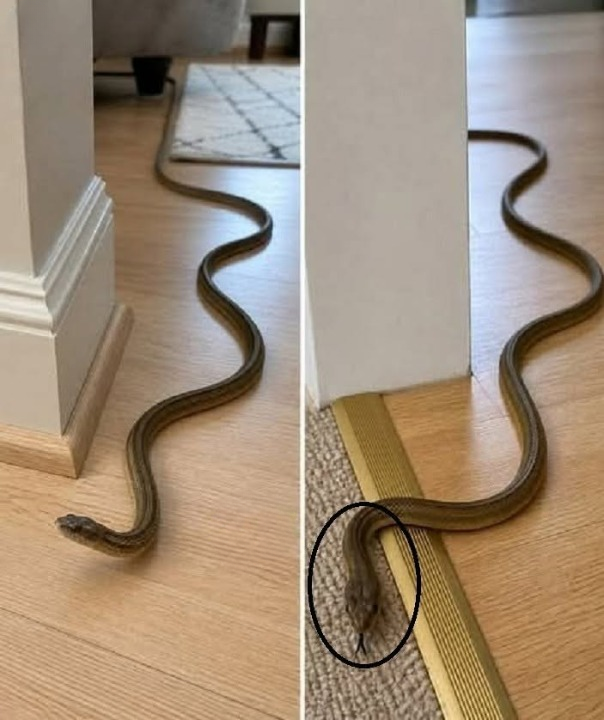
Finding a snake inside your home can be surprising and unsettling. For many people, it’s an experience they’ll never forget. Whether the snake appears in a garage, basement, garden, or even inside a living space, the first reaction is often shock.
Over the years, countless myths and superstitions have suggested that a snake entering a house carries a hidden meaning or predicts future events. While these stories are part of various cultural traditions, there is no scientific evidence that a snake entering a home symbolizes good luck, bad luck, wealth, or any other personal event.
In reality, snakes usually enter buildings for practical reasons related to food, shelter, temperature, or accidental access. Understanding why this happens can help you respond calmly and safely.
Let’s explore the most common reasons snakes may appear around homes and what you can do if you ever encounter one.
Snakes Usually Aren’t Looking for People
One of the biggest misconceptions about snakes is that they actively seek out humans.
In fact, most snake species prefer to avoid people whenever possible.
If a snake enters a home, it is usually not because it “wanted” to come inside. More often, it wandered in while searching for something it needs to survive.
Those needs typically include:
- Shelter
- Food
- Water
- A safe place to rest
- Protection from extreme weather
Understanding this can help reduce unnecessary fear.
Food Sources Can Attract Wildlife
Like all animals, snakes follow food.
Many snakes eat:
- Rodents
- Small birds
- Frogs
- Lizards
- Insects (depending on the species)
If a property has a rodent problem, snakes may be attracted because prey is readily available.
Keeping food properly stored, disposing of garbage regularly, and addressing rodent activity may help reduce the chances of attracting wildlife.
Shelter From Weather
Extreme weather can influence animal behavior.
During very hot weather, some snakes look for cooler places.
During cooler seasons, they may seek warmer, protected locations.
Garages, sheds, crawl spaces, and basements sometimes provide shelter from harsh outdoor conditions.
This doesn’t necessarily mean your home has a serious problem—it may simply offer a temporary refuge from the environment.
Small Openings Can Provide Access
Many homes have tiny gaps that people rarely notice.
Examples include:
- Spaces under doors
- Cracks in foundations
- Damaged vents
- Gaps around plumbing
- Open garage doors
- Unsealed utility openings
Some snake species are surprisingly flexible and can fit through much smaller spaces than many people expect.
Regular home maintenance can help reduce these entry points.
Gardens Can Be Attractive Habitats
A well-maintained garden benefits many forms of wildlife.
Tall grass, dense shrubs, wood piles, decorative rocks, compost piles, or stacked firewood may provide shelter for small animals, including snakes.
Keeping vegetation trimmed and storing materials neatly can make the area less attractive as a hiding place.
Water Sources
Some snakes are attracted to areas where water is available.
Examples include:
- Bird baths
- Garden ponds
- Standing water
- Irrigation systems
Water itself isn’t usually the main attraction, but it often supports frogs and insects, which may become food sources for certain snake species.
Most Snakes Are Not Aggressive
Many people assume every snake they encounter is dangerous.
In reality, most snakes prefer to escape rather than confront people.
If surprised, they may remain still in hopes of avoiding detection.
Some species may display defensive behaviors if they feel trapped, which is why giving them space is important.
Avoid trying to handle or corner any snake unless you are properly trained to do so.
What Should You Do If You Find a Snake Indoors?
The safest approach is usually the calmest one.
If possible:
- Keep a safe distance.
- Do not attempt to touch or capture the snake.
- Keep children and pets away from the area.
- Close interior doors if it can be done safely to limit movement.
- Contact local animal control or a wildlife removal service if assistance is needed.
Trying to remove a snake without proper knowledge may increase the risk of injury to both you and the animal.
Avoid Common Mistakes
When people panic, they sometimes make situations more difficult.
Avoid:
- Hitting the snake.
- Chasing it around the house.
- Spraying unknown chemicals.
- Attempting to grab it by hand.
- Cornering it.
Remaining calm often leads to safer outcomes.
Identifying a Snake
If it can be done safely from a distance, taking a photograph may help local wildlife experts identify the species.
However, never move closer simply to get a better picture.
Different regions have different snake species, and proper identification should be left to knowledgeable professionals whenever possible.
Preventing Future Encounters
Although no method guarantees that wildlife will never enter a property, several practical steps may reduce the likelihood.
Seal Entry Points
Inspect your home for:
- Cracks
- Loose weather stripping
- Damaged screens
- Foundation gaps
- Utility openings
Repairing these areas helps reduce access for many types of wildlife.
Keep Grass Trimmed
Shorter grass offers fewer hiding places.
Maintaining landscaping also makes it easier to notice wildlife before accidentally getting too close.
Remove Clutter
Stacks of:
- Lumber
- Firewood
- Bricks
- Old equipment
may create sheltered hiding places.
Store materials neatly and away from the home’s foundation whenever possible.
Address Rodent Activity
Because rodents attract snakes, reducing rodent populations may also reduce snake activity.
Store food securely and eliminate possible nesting areas.
Keep Pet Food Indoors
Food left outside may attract rodents, which in turn may attract predators.
Are Snakes Beneficial?
Although unexpected encounters can be frightening, snakes play important roles in many ecosystems.
They help control populations of rodents and other small animals.
Maintaining balanced wildlife populations benefits agriculture, gardens, and natural habitats.
Many species are protected because of their ecological importance.
Common Myths
Myth 1: A Snake in the House Predicts Good or Bad Luck
There is no scientific evidence supporting this belief.
Such ideas come from cultural traditions rather than biology.
Myth 2: Snakes Always Attack People
Most snakes avoid human contact whenever possible.
Defensive behavior usually occurs only when they feel threatened.
Myth 3: Killing One Snake Attracts More
There is no reliable scientific evidence supporting this claim.
Myth 4: Every Snake Is Venomous
Many snake species are nonvenomous.
However, because identification can be difficult, it’s safest to treat every unknown snake with caution and avoid handling it.
Teaching Children About Wildlife
Children often become curious when they see animals outdoors.
Simple safety lessons may include:
- Never touch unknown wildlife.
- Tell an adult immediately.
- Observe from a safe distance.
- Respect animals without disturbing them.
These habits encourage both safety and appreciation for nature.
When Should You Contact Professionals?
Professional assistance is recommended if:
- You cannot safely identify the animal.
- The snake is inside your living space.
- It appears injured.
- You are uncomfortable handling the situation.
- There are repeated wildlife entries into your home.
Local wildlife professionals can often relocate animals safely and provide advice on preventing future visits.
Respecting Wildlife While Protecting Your Home
Most wildlife encounters happen simply because animals are trying to survive.
Understanding their behavior helps reduce unnecessary fear.
Simple maintenance, awareness, and calm responses usually provide the safest outcomes for both people and animals.
Final Thoughts
Finding a snake inside or near your home can certainly be surprising, but it does not automatically carry a hidden meaning or predict future events. In most cases, snakes enter buildings while searching for shelter, food, water, or a safe place away from extreme weather.
By keeping your property well maintained, sealing possible entry points, reducing food sources for rodents, and responding calmly if you encounter wildlife, you can greatly reduce the likelihood of future visits. If a snake does enter your home, giving it space and contacting local wildlife professionals is often the safest solution.
Understanding the facts behind common myths allows us to replace fear with knowledge. Snakes are an important part of many ecosystems, and with a little preparation and awareness, it’s possible to protect both your household and the wildlife that shares the environment around us.