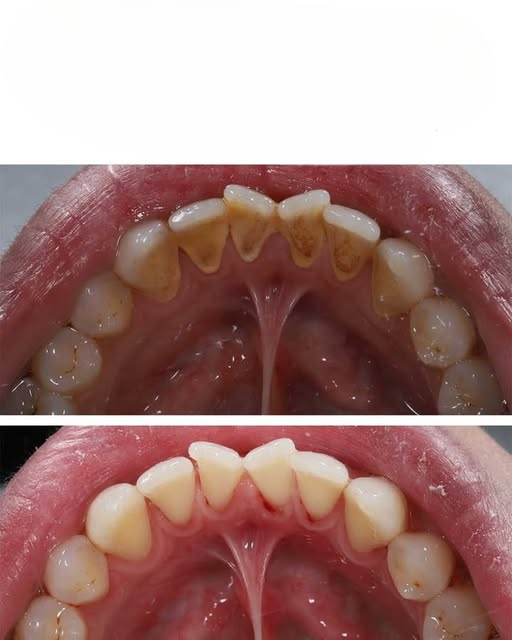
A bright, healthy smile is something many people value, but keeping teeth looking their best takes more than occasional brushing. Over time, plaque, surface stains, and hardened tartar can develop, especially if oral hygiene routines become inconsistent.
The internet is filled with viral “miracle” tricks that promise to remove tartar in minutes using common household ingredients. While these claims may sound appealing, most are unsupported by dental professionals and, in some cases, may even damage your teeth or gums.
The good news is that maintaining a cleaner, healthier smile doesn’t require complicated routines. Consistent daily habits, regular dental checkups, and a few smart choices can make a significant difference over time.
Here are seven practical, dentist-recommended habits that can help reduce surface stains, slow tartar buildup, and support long-term oral health.
1. Brush Your Teeth Thoroughly Twice a Day
Brushing remains one of the most effective ways to remove plaque before it hardens into tartar.
Plaque is a soft film of bacteria that naturally forms on teeth throughout the day. If it isn’t removed regularly, it can eventually harden into tartar, which cannot be removed by brushing alone.
For the best results:
- Brush twice daily.
- Spend at least two minutes brushing.
- Clean all tooth surfaces.
- Brush gently rather than aggressively.
- Replace your toothbrush every three to four months, or sooner if the bristles become worn.
Using a soft-bristled toothbrush helps clean effectively while reducing unnecessary wear on tooth enamel and gums.
2. Clean Between Your Teeth Every Day
Even excellent brushing misses areas where teeth touch each other.
That’s why dental professionals often recommend cleaning between teeth once each day.
Options include:
- Dental floss
- Interdental brushes
- Water flossers (for some individuals)
Removing plaque from these difficult-to-reach areas may help reduce the risk of cavities and gum problems while slowing tartar formation.
Daily flossing also helps remove food particles that brushing alone may leave behind.
3. Choose a Fluoride Toothpaste
Most dentists recommend toothpaste containing fluoride.
Fluoride helps strengthen tooth enamel and supports overall dental health.
Some toothpastes are also formulated to help reduce surface stains or slow tartar accumulation.
If you’re unsure which toothpaste is best for your needs, your dentist can recommend one based on your individual oral health.
4. Limit Foods and Drinks That Can Stain Teeth
Many everyday beverages contain pigments that may gradually discolor tooth surfaces.
Common examples include:
- Coffee
- Tea
- Red wine
- Dark-colored soft drinks
- Certain fruit juices
This doesn’t necessarily mean you need to avoid your favorite drinks entirely.
Instead, consider simple habits such as:
- Drinking water afterward.
- Using a straw when appropriate.
- Avoiding sipping staining beverages over long periods.
These small adjustments may help reduce staining over time.
5. Drink More Water Throughout the Day
Water provides several benefits for oral health.
It helps rinse away food particles and reduces the amount of sugar and acid left on tooth surfaces after eating.
Choosing water instead of sugary beverages may also support healthier teeth by reducing frequent exposure to sugar.
Many communities also provide fluoridated tap water, which may offer additional dental benefits where available.
Staying hydrated also supports saliva production.
Saliva plays an important role in naturally helping protect teeth.
6. Schedule Regular Dental Cleanings
Once plaque hardens into tartar, it cannot safely be removed with a toothbrush or homemade remedies.
Professional dental cleanings allow trained dental professionals to remove tartar using specialized instruments.
Regular checkups also help identify potential concerns early.
Your dentist or dental hygienist may recommend cleaning intervals based on your individual oral health, often every six months, although some people benefit from more frequent visits.
Professional cleanings also help remove many surface stains that accumulate over time.
7. Eat Foods That Support Oral Health
A balanced diet benefits your entire body—including your teeth and gums.
Foods that may support oral health include:
- Fresh vegetables
- Fruits
- Dairy products (or fortified alternatives)
- Lean proteins
- Whole grains
- Nuts and seeds (if appropriate)
Crunchy fruits and vegetables may help stimulate saliva production while providing valuable nutrients.
Limiting frequent sugary snacks may also reduce the amount of time harmful bacteria have access to sugar.
What Is Tartar?
Many people confuse plaque and tartar.
They are different.
Plaque
A soft, sticky film that forms naturally on teeth every day.
It can usually be removed through good brushing and flossing.
Tartar
When plaque remains on teeth too long, minerals in saliva cause it to harden.
Once tartar forms, professional dental tools are typically required for safe removal.
Trying to scrape tartar off at home with sharp objects is not recommended and may damage teeth or gums.
Common Myths About Tartar Removal
The internet is full of quick fixes.
Let’s separate fact from fiction.
Myth: Baking Soda Removes Hardened Tartar
Baking soda may help remove some surface stains when used appropriately in certain dental products.
However, it does not remove hardened tartar already attached to teeth.
Myth: Vinegar Dissolves Tartar
Highly acidic substances may actually weaken tooth enamel if used repeatedly.
They are not considered safe replacements for professional dental care.
Myth: Lemon Juice Whitens Teeth Safely
Lemon juice contains natural acids.
Frequent direct exposure may contribute to enamel erosion rather than healthier teeth.
Myth: Scraping Teeth at Home Is Safe
Using metal tools or sharp objects without proper training may injure gums, scratch enamel, or introduce bacteria.
Professional dental instruments are designed to be used safely by trained providers.
Why Healthy Gums Matter
Healthy gums are an essential part of oral health.
Signs of healthy gums often include:
- Pink color (which can vary naturally by individual)
- Firm texture
- Minimal bleeding during brushing or flossing
If gums frequently bleed, appear swollen, or become painful, it’s a good idea to schedule a dental evaluation.
Early treatment often helps prevent more significant problems later.
The Role of Saliva
Saliva is one of the mouth’s natural protective systems.
It helps:
- Wash away food particles.
- Neutralize acids.
- Support enamel.
- Maintain a balanced oral environment.
Dry mouth can increase the likelihood of plaque buildup and tooth decay.
Drinking enough water and discussing persistent dry mouth with a healthcare professional may be helpful.
Lifestyle Choices That Support a Healthy Smile
Several daily habits contribute to better oral health.
These include:
- Avoiding tobacco products
- Limiting sugary drinks
- Eating balanced meals
- Staying hydrated
- Replacing worn toothbrushes regularly
- Following your dentist’s recommendations
Small, consistent habits often produce better long-term results than searching for one “miracle” solution.
When Should You Visit a Dentist?
Consider scheduling a dental appointment if you notice:
- Persistent bad breath
- Bleeding gums
- Tooth sensitivity
- Visible tartar buildup
- Tooth pain
- Loose teeth
- Swelling in the mouth
Early evaluation allows dental professionals to recommend appropriate care before small concerns become larger ones.
A Healthy Smile Is Built Over Time
One of the biggest misconceptions about oral health is that dramatic improvements happen overnight.
In reality, healthy teeth usually result from consistent daily care.
Brushing.
Flossing.
Nutritious eating.
Regular checkups.
Good hydration.
Professional cleanings.
These habits work together to support healthy teeth and gums throughout life.
Final Thoughts
Maintaining a bright, healthy smile doesn’t require risky home remedies or viral internet hacks. The most effective approach is surprisingly simple: brush thoroughly, clean between your teeth every day, choose fluoride toothpaste, eat a balanced diet, stay hydrated, and visit your dentist regularly for professional cleanings.
While no routine can instantly remove hardened tartar at home, consistent care can help reduce plaque, minimize new tartar buildup, and keep your smile looking its best. Rather than relying on quick fixes, focus on long-term habits that protect your teeth and gums for years to come.
A healthy smile is an investment in your overall well-being—and with the right daily routine, it’s one that can continue to benefit you throughout every stage of life.