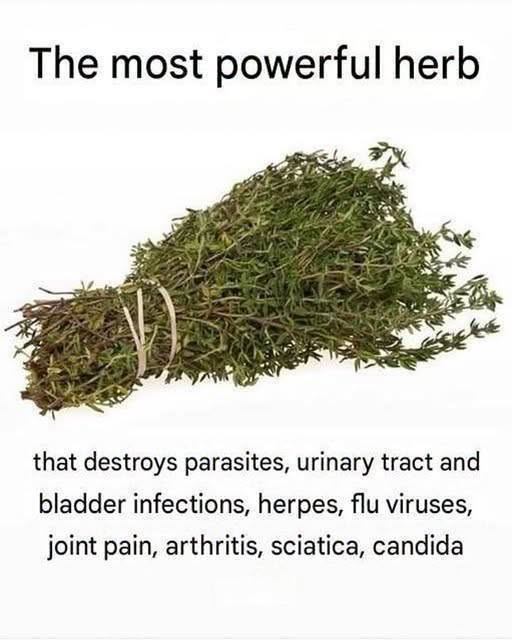
For centuries, people around the world have used herbs and other plants as part of traditional food practices, teas, and wellness routines.
Today, interest in herbal remedies remains strong. Social media posts often describe a particular herb as a “powerful natural medicine” capable of eliminating parasites, cleansing the urinary tract, or treating a wide range of health conditions.
These claims can be appealing, especially when they promise a simple solution to a complicated problem.
But there is an important distinction between traditional use and medically established treatment.
An herb can contain biologically active compounds without being a proven treatment for a disease. Laboratory research may show that a plant affects certain microorganisms or biological processes, but that does not automatically mean that consuming the plant will safely and effectively treat an infection in humans.
Understanding this distinction can help you enjoy traditional herbs while avoiding potentially risky health claims.
Why Are Herbs So Widely Used?
Plants have been used in traditional medicine for thousands of years.
Many modern medicines also originated from compounds found in plants.
This history explains why researchers continue to study herbs and other botanical ingredients.
However, modern medicine does not assume that every plant is automatically safe or effective.
Researchers need to consider the specific compound, dose, method of preparation, interactions with other substances, and evidence from human studies.
A plant used safely as a culinary ingredient may not be safe in concentrated extracts.
That’s why “natural” should never automatically be interpreted as “risk-free.”
Herbs and Digestive Health
Some herbs are traditionally used to support digestion.
Ginger, peppermint, fennel, and other plants are commonly incorporated into foods or beverages for their flavor and traditional associations with digestive comfort.
For many people, enjoying these herbs as part of ordinary meals or beverages can be a pleasant addition to a balanced diet.
However, persistent digestive symptoms shouldn’t automatically be treated with herbs.
Ongoing abdominal pain, unexplained weight loss, persistent diarrhea, blood in the stool, repeated vomiting, or other significant symptoms deserve appropriate medical evaluation.
An herb may provide flavor or temporary comfort, but it shouldn’t be assumed to address an underlying disease.
What About Parasites?
Claims about herbs “destroying parasites” require particular caution.
Parasitic infections are real medical conditions, and different parasites require different diagnostic and treatment approaches.
Some plant compounds have demonstrated activity against microorganisms in laboratory experiments.
But laboratory activity is not the same as proving that an herb can eliminate an infection in a person.
The appropriate treatment depends on the specific organism involved.
If someone suspects a parasitic infection because of persistent digestive symptoms, recent travel, contaminated-food exposure, or another risk factor, medical evaluation can help determine whether testing is appropriate.
Taking an unproven herbal mixture instead of obtaining an accurate diagnosis may delay effective treatment.
Urinary Tract Health Requires Careful Attention
The urinary system includes the kidneys, ureters, bladder, and urethra.
Symptoms involving this system can have several possible causes.
Burning during urination, frequent urination, pelvic discomfort, cloudy urine, blood in the urine, fever, or back and side pain may occur with urinary infections or other conditions.
Some urinary symptoms can require prompt medical attention.
This is why it is risky to describe an herb as something that simply “cleanses” or “destroys infections” in the urinary tract.
A urinary infection can sometimes progress if it isn’t appropriately treated.
If you experience concerning urinary symptoms, especially fever, chills, significant pain, vomiting, or symptoms involving the back or side, seek medical advice promptly.
Why “Natural Antibiotic” Is a Misleading Phrase
Another common phrase used online is “natural antibiotic.”
It may refer to an herb that contains compounds with antimicrobial activity.
But prescription antibiotics are specific medicines developed and tested for particular bacterial infections.
Calling an herb a natural antibiotic can create the false impression that it can replace prescribed treatment.
That is not a safe assumption.
If a healthcare professional prescribes medication for an infection, don’t stop or replace it with an herbal product without discussing the decision with them.
Traditional Use Can Still Be Interesting
Being cautious about medical claims doesn’t mean traditional herbs aren’t worth exploring.
They can be fascinating ingredients with long cultural histories.
For example, herbs can add flavor to food while allowing people to reduce their reliance on excessive salt or highly processed sauces.
Fresh herbs can also make simple meals more enjoyable.
Using herbs as culinary ingredients is very different from claiming that concentrated herbal preparations can cure diseases.
That distinction allows people to appreciate traditional practices without making unsupported promises.
Food, Tea, and Concentrated Extracts Are Not the Same
One of the most important points about herbal products is that preparation matters.
An herb used in a normal meal may contain a relatively small amount of active compounds.
A tea can provide a different concentration.
An extract or supplement may contain substantially higher amounts.
The safety profile can therefore change with the preparation and dose.
This is particularly important for people who take prescription medications.
Some concentrated herbs can affect how medicines are absorbed or metabolized.
Pregnant or breastfeeding individuals, children, older adults, and people with chronic medical conditions may also need additional caution.
More Isn’t Necessarily Better
A common misconception is that if a small amount of an herb is beneficial, a very large amount must be even better.
That isn’t necessarily true.
Higher doses can increase the possibility of side effects.
Some botanical products can cause digestive irritation, allergic reactions, changes in blood pressure or blood sugar, or interactions with medications.
The appropriate dose also depends on the specific product.
That’s one reason homemade concentrated preparations can be difficult to evaluate.
Be Careful With “Detox” Claims
Herbal detox products are frequently marketed with claims about cleansing the blood, kidneys, liver, or digestive tract.
Your body already has organs that perform waste-processing and elimination functions, particularly the liver and kidneys.
Drinking an herbal mixture doesn’t automatically “flush toxins” from the body.
Some detox products can actually cause problems, especially if they contain ingredients with strong laxative or diuretic effects.
If you’re concerned about your health, identifying and addressing the underlying issue is more useful than relying on a generic detox routine.
How to Approach Herbal Products Responsibly
If you’re interested in using herbs, a few simple principles can help.
Choose reputable products and read the ingredient label carefully.
Don’t assume that a product is safe simply because it is labeled natural.
Avoid products that make dramatic promises to cure numerous unrelated diseases.
Be particularly cautious about products claiming to replace prescription medication.
If you take medications or have a medical condition, discuss herbal supplements with a healthcare professional or qualified pharmacist.
And if you develop significant symptoms, seek appropriate medical evaluation instead of relying exclusively on an online remedy.
What Does a Healthy Urinary Routine Look Like?
For general urinary health, simple habits are often more practical than complicated herbal cleanses.
Drink fluids according to your individual needs and medical guidance.
Don’t routinely ignore the urge to urinate.
Maintain good personal hygiene.
Manage conditions that can affect urinary health.
And seek medical attention when symptoms develop rather than attempting to mask them with an unproven remedy.
People with certain medical conditions may have specific fluid requirements, so generic advice should not override instructions from a healthcare professional.
What Does a Healthy Digestive Routine Look Like?
Digestive health also benefits from basic habits.
A varied diet containing vegetables, fruits, whole grains, legumes, and appropriate sources of protein can provide fiber and other nutrients.
Regular physical activity can support overall health.
Adequate fluid intake can also be important for normal bowel function.
If digestive problems continue despite healthy habits, it’s worth finding out why rather than continuously adding new supplements.
Persistent symptoms can sometimes indicate a condition that requires proper diagnosis.
When You Should Seek Medical Advice
Don’t rely on herbal remedies alone when symptoms could indicate a significant medical problem.
Seek professional advice for persistent or severe symptoms such as:
-
Blood in the urine or stool.
-
Severe or worsening abdominal pain.
-
Fever or chills.
-
Significant back or side pain.
-
Persistent vomiting.
-
Unexplained weight loss.
-
Difficulty urinating.
-
Severe weakness or dehydration.
-
Symptoms that repeatedly return.
These symptoms can have many possible causes.
Only an appropriate medical assessment can determine what is happening.
Final Thoughts
The idea of a single “most potent herb” capable of destroying parasites, cleansing the urinary tract, and solving multiple health problems is appealing—but real health is rarely that simple.
Herbs can contain interesting compounds and have important cultural and culinary histories. Some are also the subject of scientific research.
But evidence from traditional use or laboratory experiments does not automatically prove that an herb can cure an infection or replace medical treatment.
For parasites, urinary infections, and other medical conditions, the correct approach depends on the specific diagnosis.
Use herbs as flavorful foods or beverages when appropriate, and treat bold health claims with healthy skepticism.
A balanced diet, appropriate hydration, regular physical activity, preventive healthcare, and timely medical attention are far more reliable foundations for long-term well-being than any single “miracle” herb.
The goal isn’t to find the strongest plant.
It’s to make informed choices that are safe, realistic, and appropriate for your individual health needs.