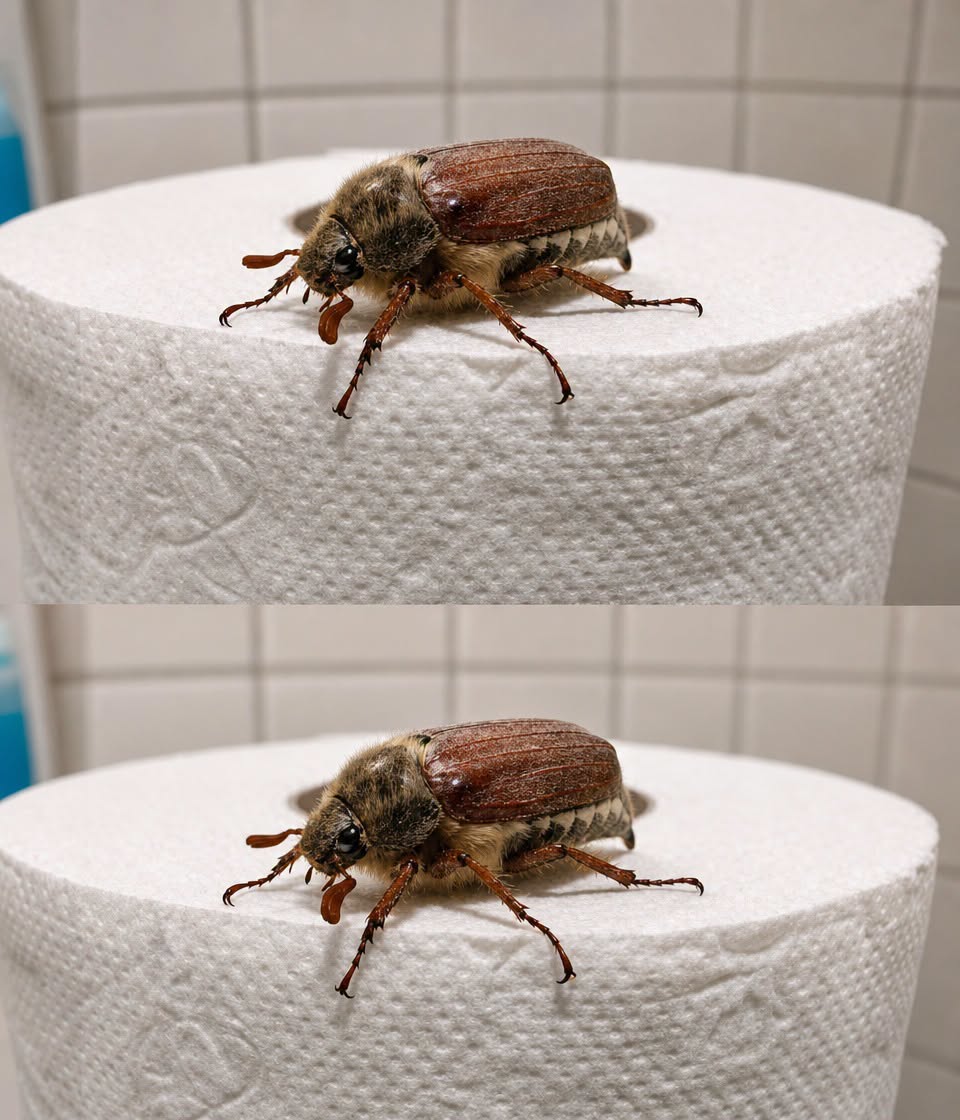
What to Do When You Find an Unfamiliar Bug in Your Home
Finding an unfamiliar insect crawling across a wall can be enough to interrupt an otherwise ordinary evening.
You may immediately start wondering what it is, where it came from, and whether there could be more nearby.
Sometimes the insect is simply a harmless visitor that found its way indoors.
Other times, it may be an indication that food, moisture, plants, cracks, or other conditions are attracting insects into the home.
The important thing is not to assume the worst before you know what you’re looking at.
An unfamiliar bug doesn’t automatically mean your home has an infestation, and it doesn’t automatically mean the insect is dangerous.
Instead of reaching immediately for an insecticide, take a moment to observe the creature and gather some basic information.
A calm identification-first approach can help you decide whether you should simply remove the insect, monitor the area, make a few changes around the home, or contact a pest-control professional.
Why an Unfamiliar Bug Can Be Difficult to Identify
There are thousands of insect species, along with spiders, mites, centipedes, millipedes, and other small arthropods that people commonly describe as “bugs.”
Many of them look surprisingly similar.
Two insects may have nearly identical colors but completely different body shapes.
A young insect may also look very different from an adult.
Lighting can make colors appear different, while shadows can make an insect seem larger than it actually is.
This is why identifying an insect from a quick glance isn’t always easy.
Instead of focusing only on color, look at several characteristics.
Start by Looking Carefully
If you see an unfamiliar insect, try to observe it without disturbing it.
Look at its overall body shape.
Does it have wings?
How many legs can you see?
Are the antennae long or short?
Is the body round, elongated, flat, or segmented?
Does it move quickly or slowly?
Does it jump, fly, crawl, or remain mostly still?
These details can help narrow down what you’re seeing.
If possible, take a clear photograph.
A photograph can be much more useful than trying to remember what the insect looked like after it disappears.
Take a Photograph From a Safe Distance
You don’t need to pick up an unfamiliar insect to identify it.
Use your phone camera and take several pictures if possible.
Try to capture:
- The entire body
- The top of the insect
- Its general shape
- The legs and antennae
- Any visible wings
- Distinctive markings
Avoid getting so close that you risk disturbing the insect.
If it moves away, don’t chase it around the room simply to get a better photograph.
A blurry photograph is less useful, but your safety and comfort are more important.
Don’t Assume One Bug Means an Infestation
This is one of the most common mistakes people make.
Finding one insect doesn’t automatically mean there are hundreds hiding nearby.
Homes are connected to the outdoors.
Insects can enter through doors, windows, vents, gaps, cracks, pipes, and other openings.
They may also arrive on clothing, packages, firewood, groceries, plants, pets, or outdoor equipment.
A single insect can therefore be an isolated visitor.
At the same time, repeated sightings of the same type of insect may justify further investigation.
The pattern matters.
Look for Patterns
If you see one unfamiliar bug once, make a note of it.
If you start seeing the same insect every day, look for additional clues.
Ask yourself:
Where are you finding them?
Are they concentrated around one room?
Do they appear near windows?
Are they mostly in the kitchen?
Do you see them around sinks or bathrooms?
Are they appearing near houseplants?
Do you notice them primarily at night?
Are there many insects of the same type?
The answers can help identify what might be attracting them.
Moisture Can Attract Certain Pests
Some insects and other small arthropods are more commonly associated with damp environments.
Bathrooms, basements, laundry rooms, kitchens, crawl spaces, and areas around leaking pipes can therefore attract certain types of pests.
If you repeatedly notice insects in a damp area, inspect the room for moisture problems.
Look under sinks.
Check around plumbing connections.
Pay attention to condensation.
Look for water stains.
Make sure wet areas are allowed to dry properly.
Fixing a moisture problem can sometimes be more effective than repeatedly treating the insects themselves.
Food Can Also Be a Factor
Kitchens provide another major source of attraction.
Crumbs, spilled food, open containers, garbage, pet food, and improperly stored ingredients can attract insects.
If you’ve recently noticed an increase in bugs around the kitchen, check how food is being stored.
Keep dry goods in suitable sealed containers.
Clean spills promptly.
Don’t allow garbage to accumulate unnecessarily.
Clean under appliances periodically.
Wipe countertops and other food-preparation surfaces.
These basic habits can reduce the conditions that attract many household pests.
Houseplants Can Bring Insects Indoors
Indoor plants can occasionally introduce small insects into a home.
Soil contains organic material and can provide an environment where certain small insects reproduce.
Plants can also carry pests on leaves, stems, or containers.
If the unfamiliar insects are consistently appearing around your plants, inspect the leaves and soil.
Look for tiny insects, webbing, unusual spots, damaged leaves, or other signs.
Avoid automatically treating the entire plant with strong chemicals.
First determine what you’re dealing with and whether treatment is actually necessary.
Firewood and Outdoor Materials
Firewood can also carry insects.
If you bring wood indoors for a fireplace or wood-burning stove, inspect it before bringing it inside.
Outdoor furniture, gardening supplies, boxes, and other stored materials can also provide opportunities for insects to enter the home.
This is especially relevant if you keep these items in garages, sheds, basements, or other areas connected to the house.
Keeping storage areas organized can make it easier to notice unusual activity.
Windows and Doors Are Common Entry Points
Sometimes the explanation is extremely simple.
The insect came through an open window or door.
Screens can develop small tears or gaps.
Weather stripping can deteriorate.
Doors may not seal properly.
Small openings around frames can also provide access.
If insects are frequently appearing near windows, inspect the screens and seals.
A simple repair may reduce the number of insects entering the room.
What About Spiders?
People sometimes describe any small crawling creature as a “bug,” even when it isn’t technically an insect.
Spiders, for example, have eight legs rather than six.
Finding a spider indoors isn’t automatically a sign of a serious problem.
Many spiders enter homes accidentally or remain indoors because they find shelter and prey.
If you don’t want spiders inside, gently removing them and improving gaps around doors and windows may be enough.
If you repeatedly see large numbers of spiders, however, it can be useful to look for the insects they may be feeding on.
The underlying food source may be the more important issue.
What About Centipedes and Millipedes?
Centipedes and millipedes are also frequently mistaken for insects.
They can look unusual because of their many legs.
They are often associated with damp areas or organic material.
Finding one doesn’t necessarily mean there’s a widespread problem.
However, repeated sightings may suggest that the surrounding environment provides conditions they prefer.
Reducing excess moisture and improving the condition of damp areas can help.
Avoid Crushing an Unknown Insect With Your Bare Hands
If you don’t know what an insect is, there’s little reason to handle it directly.
Most household insects pose little threat, but some species can bite, sting, irritate the skin, or cause allergic reactions.
A simple approach is to avoid unnecessary contact.
Use a container and a piece of paper to move a harmless-looking insect outdoors if you’re comfortable doing so.
If you aren’t comfortable handling it, use another method of removal or ask someone for assistance.
Don’t Immediately Spray Everything
Seeing one unfamiliar insect can create the temptation to spray the entire room.
That isn’t always necessary.
Insecticides are tools that should be used according to their labels and for the intended purpose.
Using more product than recommended doesn’t necessarily produce better results.
It can also increase exposure to chemicals in the home.
If you don’t know what you’re dealing with, identification should come before treatment whenever practical.
You may discover that the insect doesn’t require treatment at all.
Why Identification Matters
Different pests can require different approaches.
An insect associated with stored food may require you to inspect pantry items.
An insect associated with moisture may point toward a damp area.
An insect associated with plants may require inspection of leaves and soil.
A wood-damaging insect may require a different type of evaluation.
Treating the wrong problem can waste time and money.
That’s why identifying the insect—or at least narrowing down the possibilities—is useful.
Use Reliable Identification Resources
If you can’t identify the insect yourself, consider using a reliable identification resource.
Local universities, agricultural extension services, museums, and pest-control professionals can sometimes help identify common species.
A clear photograph is usually more useful